
Sri Lanka Travel Enters Landmark Eco-Tourism Era as Hidden Nature Treasures Redefine Asian Leisure Itineraries, Urging Vacationers to Explore Sustainably: New Travel Alert
Discover how Sri Lanka travel is entering a new era, combining ancient kingdoms, tea highland railways, and wildlife safaris with sustainable community tourism.

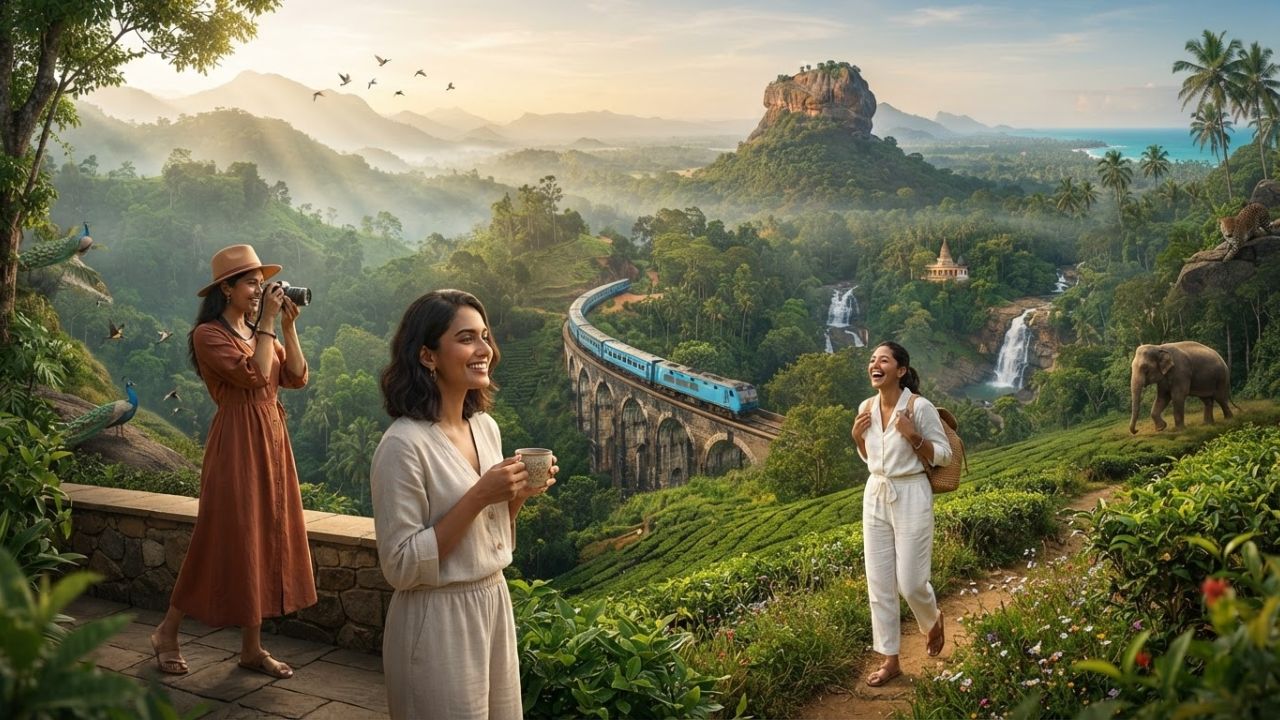
Image generated by AI
Published on July 17, 2026
A major evolution is reshaping the international leisure market as modern holidaymakers reject predictable, mass-produced vacation itineraries in favor of emotional fulfillment and environmental immersion. At the forefront of this global shift is Sri Lanka travel, which offers an irreplaceable bridge between ancient cultural wonders and pristine, untouched ecosystems. Outbound tour planners are completely restructuring their portfolios, ensuring that ecological sensitivity and localized storytelling take precedence over superficial sightseeing.
Quick Summary
- Wellness Realignment: Travelers are turning away from traditional luxury resorts in favor of organic, raw environments that support cognitive clarity and mental restoration.
- Geographical Compression: The island's unique layout allows visitors to transition from ancient ruins to wild leopard habitats within a single afternoon.
- Empowering Communities: Local tourism structures ensure international spending directly supports rural village craftsmen, guides, and farmers.
- Highland Appeal: High-altitude rail journeys winding through misty velvet-green tea estates serve as powerful organic marketing tools on social networks.
- Protected Biodiversity: The country maintains strict conservation zones and anti-poaching rules to protect wild elephants, leopards, and rare birds.
Context and Background: A New Era for Sri Lanka Travel
The global hospitality sector is currently adjusting to a significant rise in digital fatigue and professional burnout. As modern metropolitan living becomes increasingly artificial and stressful, travelers are seeking out sanctuaries that offer profound psychological resets.
In this changing landscape, Sri Lanka travel has emerged as a living laboratory for sustainable tourism. The country demonstrates how environmental conservation and high-end travel experiences can coexist in perfect balance. According to guidelines set by the Sri Lanka Tourism Development Authority (SLTDA), the nation is prioritizing low-impact travel options to safeguard its natural assets.
Event and Incident Details: Unlocking the Nature Treasures of the Island
Wanderers stepping onto the island immediately discover a deeply intentional framework for managing natural resources. The country is systematically shifting away from mass tourism models to protect its key geographical assets, which span across distinct regions:
- Majestic Cultural Plains: In the northern plains, ancient temples, grand irrigation networks, and historic stone ruins draw millions of spiritual seekers and academic researchers.
- Highland Tea Estates: Sprawling green tea plantations blanket the rolling hills of the interior highlands, where the cool mountain air contrasts with the warm coastlines.
- Scenic Highland Railways: Vintage trains wind along dramatic cliffs and hand-cut stone tunnels, offering panoramic views that dominate global travel platforms.
- Dynamic Marine Zones: Golden beaches, hidden coves, and turquoise waters provide opportunities for surfing, exploring historic shipwrecks, and diving near coral reefs.
- Whispering Wildlife Forests: Thick woodlands shelter wild elephants along historical migration corridors, elusive leopards in the dry-zone scrub, and rare birds.
Risk and Impact: Challenges of Environmental and Cultural Protection
While the rise of experiential travel brings substantial opportunities, managing a destination with such high ecological value requires continuous vigilance to prevent degradation:
- Mitigating Human Encroachment: Expanding urban boundaries threaten natural wildlife migration paths, making strict enforcement of environmental zones critical.
- Preventing Tourist Exploitation: Regulating outbound tour operators is essential to ensure a fair distribution of tourism wealth and prevent predatory commercial practices.
- Protecting Delicate Monuments: Heavy visitor traffic to centuries-old sacred complexes requires community-led crowd control to preserve delicate stone structures.
- Ensuring Animal Safety: To prevent conflict between tourists and native species, the government enforces strict rules against captive animal entertainment.
What Authorities Are Saying: Industry Leaders Promote Ethical Stewardship
Conservation authorities and tourism planners have noted that the island's appeal lies in its exceptional microclimatic variance. Within a single geographic domain, visitors can explore fog-shrouded mountain peaks, dry-zone scrub forests, and sun-kissed coastlines.
By enforcing rigorous anti-poaching regulations and maintaining extensive conservation zones, the government successfully protects its biological assets. Industry experts emphasize that promoting ethical wildlife safaris over captive animal entertainment is vital for maintaining the nation’s international reputation as a responsible travel guardian, supported by global standards from the World Wildlife Fund (WWF).
Practical Traveler Advice: How to Navigate Sri Lanka Travel Responsibly
For holidaymakers planning an expedition to the island, travel coordinators recommend the following sustainable practices:
- Prioritize Community-Led Tours: Book excursions operated by local guides to ensure your travel spend directly benefits rural villages.
- Respect Sacred Spaces: When walking through ancient kingdoms, dress modestly and follow community guidelines to protect historic stone ruins.
- Minimize Digital Footprints: Take advantage of high-altitude mountain sanctuaries to disconnect from digital networks and experience a genuine psychological reset.
- Choose Certified Eco-Lodges: Stay at properties with transparent waste management policies and active partnerships with local environmental groups.
Broader Context: Global Ramifications for Contemporary Vacationers
The ongoing shift in visitor behavior represents a broader international trend where travelers reject ostentatious displays of wealth. Instead, modern jet-setters favor raw, organic environments that promote mindfulness and environmental education.
For a generation deeply concerned about the global climate crisis, the opportunity to engage with nature without causing degradation is an immense draw. The country offers a therapeutic, deeply restorative sanctuary that allows exhausted corporate professionals to disconnect entirely from relentless digital noise, helping them rediscover their true inner tranquility. This versatile coastal and highland charm ensures that the country consistently maintains its position as a premier global destination for luxury beach tourism, competitive international surfing tournaments, and proactive marine conservation tourism.
What to Expect Next: The Future of Experiential Travel
As the global travel community continues to prioritize cognitive clarity and unfiltered environmental encounters, demand for specialized packages will grow. Outbound operators are already expanding their portfolios to feature niche photography expeditions, historical walking journeys, and holistic wellness retreats.
Ultimately, travelers must remain proactive and vigilant by researching local conservation guidelines and booking ethical, community-approved tours in advance to preserve these fragile ecosystems. Staying informed of seasonal weather patterns and regional environmental regulations will ensure a safe, highly transformative journey across the island's hidden treasures.
FAQ: Sri Lanka Travel & Sustainable Tourism 2026
What makes Sri Lanka travel unique for eco-tourists in 2026?
The island combines ancient historical ruins, unique microclimates, and rich biodiversity in a compressed geography, allowing travelers to easily transition between cultural sites and untouched nature reserves.
How does tourism spending benefit local communities in Sri Lanka?
Sri Lanka’s sustainable travel model directs international funds straight to local guides, rural craftsmen, and highland farmers, reducing corporate dominance and fostering community independence.
What are the top nature experiences on the island?
Key highlights include scenic heritage rail journeys through high-altitude green tea plantations, ethical wildlife safaris to view free-roaming elephants and leopards, and exploring pristine marine ecosystems along golden coastlines.
How does Sri Lanka protect its native wildlife?
The country enforces strict anti-poaching laws and maintains dedicated ecological conservation zones, encouraging ethical safaris rather than captive animal entertainment.
Related Travel Guides
- Nevada Hotel Tourism Explodes as Premium Value Shift Reshapes United States Hospitality, Urging Travelers to Plan Ahead and Secure Bookings: New Travel Alert
- Singapore Changi Airport Expands Global Aviation Network Ahead of Terminal 5 to Connect India, Vietnam, and Central Asia, Urging Travelers to Explore New Gateways: New Travel Alert
- The Ultimate Sri Lanka Eco-Tourism Guide: Hidden Gem Itineraries, According To Reddit
- Target Tags: Sri Lanka travel, eco-tourism Asia, sustainable travel, Sri Lanka highlands, Travel Alert
Disclaimer
This article is for informational and educational purposes only. It does not constitute legal, financial, or professional advice. While we strive to provide accurate and up-to-date information, travel policies, regulations, and conditions change rapidly. Always verify information with official sources before making travel decisions. Nomad Lawyer makes no representations about the accuracy, reliability, completeness, or suitability of the information provided. Readers should consult qualified professionals for advice specific to their circumstances. The views expressed in this article are those of the author and do not necessarily reflect the views of Nomad Lawyer.
Kunal K Choudhary
Co-Founder & Contributor
A passionate traveller and tech enthusiast. Kunal contributes to the vision and growth of Nomad Lawyer, bringing fresh perspectives and driving the community forward.
Learn more about our team →