
Split Port Waterfront Redevelopment: New 100-Room Hotel and €600 Million Passenger Hub in Croatia 2026
Split is transforming a derelict Dalmatian winery into a massive passenger and hospitality hub, featuring a 100-room hotel and 500 parking spaces to modernize Croatia's coastal gateway.

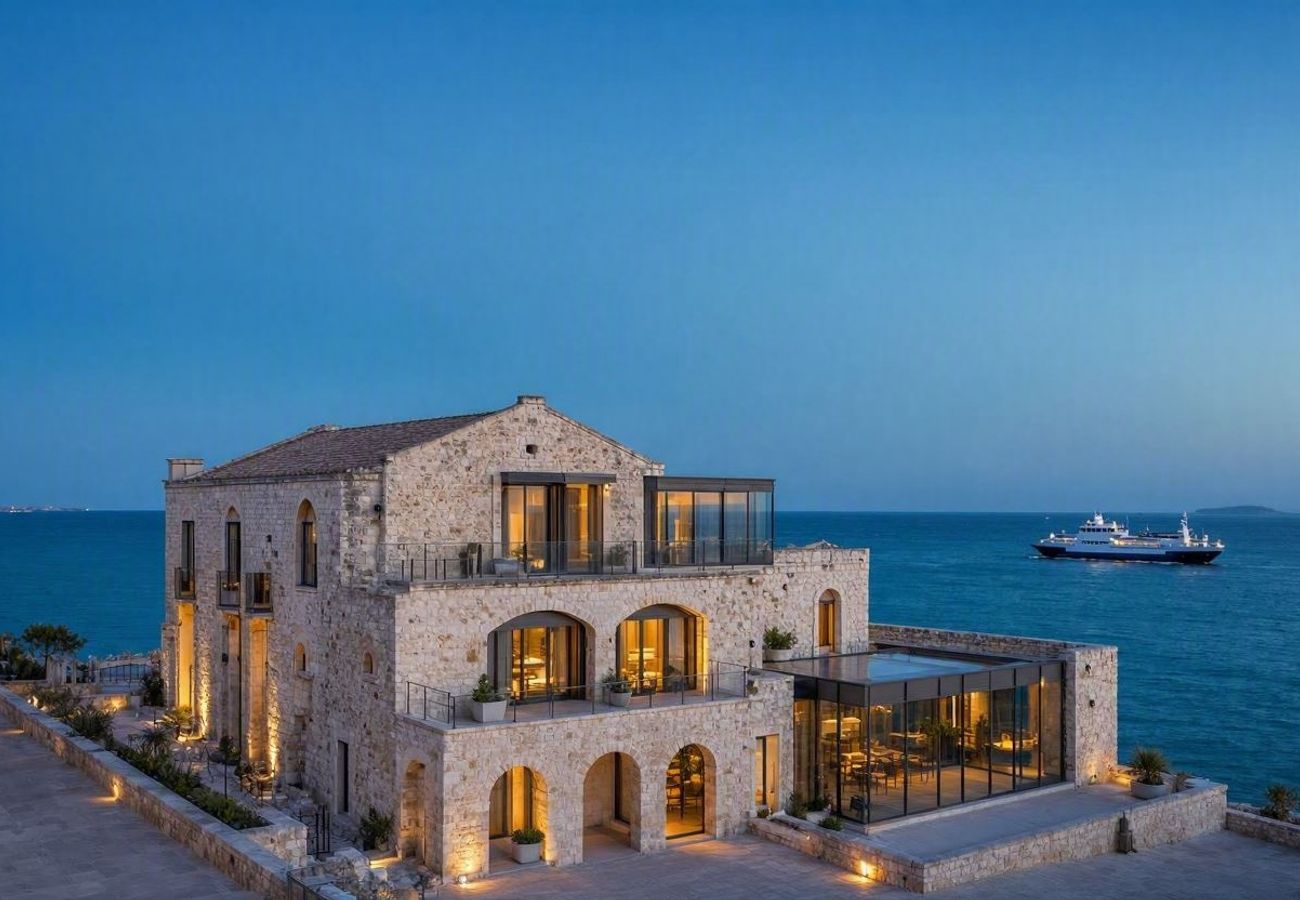
Image generated by AI
A derelict Dalmatian winery, once a beacon of Croatian modern architecture, is being resurrected as the center of a €600 million maritime transformation. Rather than facing the wrecking ball, this protected industrial relic is slated to become a high-end passenger hub, blending strict heritage conservation with the demands of modern cruise and ferry tourism.
The Evolution of the Split Waterfront
The Port of Split is currently undergoing a strategic shift. For years, the former winery sat as a decaying eyesore at the precise point where the city's urban grid meets the Adriatic Sea. Now, after more than two years of administrative hurdles and meticulous planning, the Split Port Authority has secured the location permit necessary to breathe new life into the site.
This is not a simple renovation. Because the building is under the protection of the Conservation Department of Croatia’s Ministry of Culture, any changes must adhere to rigorous preservation standards. The goal is to maintain the architectural soul of the winery while inserting the infrastructure needed for a world-class transport gateway. The project aims to turn a neglected stretch of the coastline into a vibrant zone that serves ferry commuters, cruise passengers, and local residents alike.
What Makes Split Port Different
Split serves as the primary artery for the Dalmatian coast, managing a complex flow of traffic between the mainland and the islands. Unlike many ports that remain purely functional, this redevelopment treats the terminal as an extension of the city. By integrating hospitality and retail directly into the transport hub, Split is moving toward a "city-port" model.
The most anticipated addition is a new hotel featuring approximately 100 rooms. For the seasoned traveler, this solves a recurring Split problem: the gap between arriving by ferry and checking into a city-center hotel. Having high-end accommodation within the port perimeter allows cruise passengers to extend their stay and business travelers to bypass the city's notorious traffic.
Beyond the hotel, the project addresses the port's most pressing pain point: congestion. The plan includes the construction of two garages providing around 500 parking spaces. During the peak summer months, the area around the port often reaches a standstill; these facilities are designed to siphon off stationary traffic and streamline the flow of vehicles moving toward the islands.
Visitor Insider Tips
Navigating Split requires a different strategy than the tourist-heavy corridors of Dubrovnik. To make the most of the city and its evolving port area, keep these local nuances in mind:
- Timing the Ferries: If you are traveling to Hvar or Brač, avoid the midday rush. The port is most chaotic between 10:00 and 14:00. Use the Croatia Airlines or local ferry schedules to plan arrivals for the early morning or late evening to avoid the crowds.
- The Riva Walk: While the new hub will be on the eastern waterfront, the heart of the city remains the Riva promenade. Base yourself in the Varoš neighborhood for a more authentic experience—it is the old fisherman's quarter and offers a quieter alternative to the center.
- Transport Hacks: Do not rely on taxis during peak cruise ship arrivals. Use the local Promet Split buses or walk; the city is remarkably compact.
- Regional Flavors: While the new hub will offer retail, seek out the "Pazar" (green market) near the port for authentic Dalmatian figs and honey.
- Etiquette: When visiting the historic Diocletian's Palace—a UNESCO World Heritage site—remember that it is a living neighborhood, not a museum. Respect the laundry hanging over the alleys and the quiet of the residential courtyards.
Cultural and Environmental Context
The redevelopment of the winery is a case study in the tension between economic growth and heritage preservation. For decades, the building stood as a reminder of Croatia's industrial past, but its decay became a symbol of urban neglect. By assigning a €600 million value to the concession, the city is betting that commercial viability is the only way to ensure the building's physical survival.
However, the environmental impact of increasing cruise and ferry capacity is a constant point of discussion among locals. The "Eastern Coast" vision in Split's General Urban Plan seeks to reorganize the waterfront to prevent the city from becoming a mere transit zone. The challenge lies in ensuring that the new 500-space parking capacity and increased hotel occupancy do not lead to further carbon congestion in the historic core.
The upcoming international tender for the concession will be the final test. The city is looking for investors who can balance the high-revenue potential of a 100-room hotel with the delicate requirements of the Ministry of Culture. If executed correctly, the project will move Split from being a place people simply pass through to a destination where the journey begins the moment they touch the dock.
FAQ: Visiting Split 2026
What is the best time to visit Split? The shoulder seasons of May to June and September to October are ideal. You avoid the oppressive July heat and the extreme crowds while the weather remains warm enough for island hopping.
How do I get to Split Port from the airport? The most reliable method is the airport shuttle bus, which runs regularly to the city center and port area. Taxis and ride-sharing apps are also available but can be expensive during peak hours.
Is Split safe for solo travelers? Yes, Split is very safe for solo travelers. The city center is pedestrian-friendly and well-lit. Standard urban precautions apply, and the local population is generally welcoming to visitors.
Do I need a visa to visit Croatia? Croatia is part of the Schengen Area. Visitors from the US, Canada, and UK typically do not need a visa for short stays, but always check the latest official government travel advisories before booking.
The Adriatic is shifting, and Split is finally turning its back on decay to embrace a luxury maritime future.
Related Travel Guides
Disclaimer
This article is for informational and educational purposes only. It does not constitute legal, financial, or professional advice. While we strive to provide accurate and up-to-date information, travel policies, regulations, and conditions change rapidly. Always verify information with official sources before making travel decisions. Nomad Lawyer makes no representations about the accuracy, reliability, completeness, or suitability of the information provided. Readers should consult qualified professionals for advice specific to their circumstances. The views expressed in this article are those of the author and do not necessarily reflect the views of Nomad Lawyer.
Naina Thakur
Contributor & Travel Specialist
Travel enthusiast and legal writer covering visa regulations, responsible tourism, and cultural journeys across global destinations.
Learn more about our team →