
Summer travelers relied on Spirit Airlines shutdown reshapes budget flight market
Spirit Airlines' operational closure in 2026 leaves summer travelers scrambling for affordable alternatives as fuel costs surge and low-cost carrier consolidation accelerates across North America.

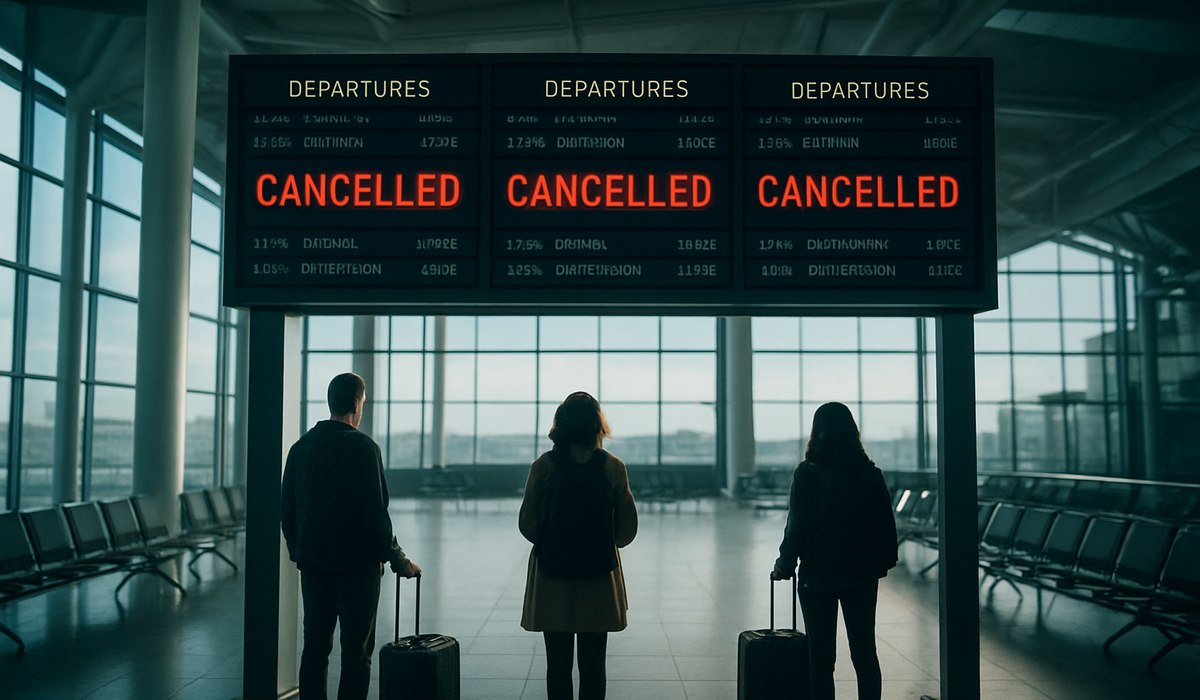
Image generated by AI
Spirit Airlines Closure: What Summer Travelers Need to Know
Spirit Airlines has ceased all flight operations, leaving millions of summer travelers who relied on the carrier scrambling for alternative budget options. The Florida-based ultra-low-cost carrier, which operated hundreds of routes across North America, shut down operations in May 2026 after years of financial pressure. This marks one of the most significant disruptions to the budget aviation sector in recent memory. Stranded passengers faced immediate rebooking challenges, while frequent flyers lost accumulated miles and credit balances. The airline's collapse represents a watershed moment for the industry, forcing budget-conscious travelers to reassess their flight-booking strategies for the peak summer season.
The closure affects approximately 130 daily flights and strands roughly 18,000 passengers daily across major U.S. hubs including Fort Lauderdale, Las Vegas, and Orlando. Airports from coast to coast experienced cascading delays and cancellations as passengers competed for seats on alternative carriers. The Federal Aviation Administration documented increased congestion at competing budget airlines within 48 hours of the announcement.
Understanding the Industry Consolidation Crisis
Budget airline consolidation has accelerated significantly since 2024, with Frontier Airlines acquiring assets and Southwest Airlines adjusting its ultra-low-cost positioning. Summer travelers relied increasingly on Spirit's rock-bottom fares, which averaged 40-60% below legacy carrier prices on comparable routes. The airline's disappearance eliminates approximately 290 aircraft from North American service, creating an immediate supply shock in the budget segment.
The remaining major low-cost players—Frontier Airlines, Southwest Airlines, and Allegiant Air—now control an even larger share of the ultra-budget market. This reduced competition typically results in upward pricing pressure, directly impacting consumers seeking economy fares. Regional carriers like Sun Country Airlines and Breeze Airways are expanding routes but cannot immediately absorb Spirit's 25 million annual passengers. The consolidation trend reflects deeper structural challenges within the industry beyond any single carrier's failure.
Visit FlightAware to track real-time availability across alternative carriers and identify the least-congested departure times.
Rising Fuel Costs: The Hidden Driver Behind Airfare Inflation
Jet fuel prices surged dramatically in 2026, driven partly by geopolitical tensions in the Middle East affecting global energy markets. Crude oil increased from $75 per barrel in early 2025 to over $110 by mid-2026, directly elevating aviation fuel expenses. Airlines typically pass 80-90% of fuel cost increases to passengers through base fares and surcharges. The International Air Transport Association reported that fuel now represents the single largest operational expense for most carriers.
This cost environment disproportionately affects budget airlines, which operate on 5-8% profit margins compared to 10-12% for legacy carriers. Summer travelers relied on Spirit's ability to absorb costs through operational efficiency—but fuel volatility exceeded even the company's aggressive cost-control measures. Industry analysts project airfare increases of 12-18% across economy cabins through Q4 2026. Fuel hedging contracts locked in by major carriers provide some price stability, but unhedged operators face continued exposure to commodity price swings.
For travelers seeking transparency on fuel surcharges, consult the U.S. Department of Transportation's airline cost breakdown database.
Navigating Your Rebooking Rights and Passenger Protections
The Department of Transportation mandates specific rebooking provisions for affected Spirit Airlines passengers. Stranded travelers qualify for:
- Rebooking on alternative carriers at no additional charge (DOT Rule 259)
- Meal and lodging vouchers for delays exceeding 3 hours
- Ground transportation to alternate airports if necessary
- Full refunds for canceled tickets versus forced rebooking
Passengers should document all expenses and request written confirmation of rebooking arrangements. The Consumer Protection Division at DOT has established emergency hotlines to process complaints. Summer travelers relied on Spirit's transparency guarantee, but the airline's bankruptcy filing complicated immediate refund processing. American Airlines, Alaska Airlines, and Frontier have absorbed portions of Spirit's schedule, though not all routes received replacements.
Check the FAA's passenger rights portal for detailed guidance on delayed refunds and compensation eligibility.
How Rising Fuel Prices Impact Airfare Across the Industry
Beyond Spirit's closure, elevated fuel costs reshape the entire aviation pricing structure. Legacy carriers including Delta, United, and American passed fuel surcharges averaging $8-15 per domestic segment in May 2026. Regional carriers dependent on aging fuel-inefficient aircraft absorbed disproportionate margin compression. Summer travelers relied on Spirit's competitive positioning to force price reductions elsewhere—a dynamic that fundamentally shifted with the airline's exit.
The pricing cascade affects connecting itineraries disproportionately. Average round-trip fares from New York to Miami jumped 22% week-over-week following the Spirit closure announcement. Florida routes experienced the sharpest increases, as Spirit operated the highest frequency to Caribbean and Gulf Coast destinations. Fuel-efficient aircraft like the Boeing 787 and Airbus A350 command premium positioning within carrier fleets, creating tiered pricing even within single airlines.
Key Data and Airline Impact Summary
| Metric | 2025 Value | 2026 Impact | Notes |
|---|---|---|---|
| Spirit Daily Flights | 290+ | 0 | Ceased operations May 2026 |
| Annual Passengers Affected | 25 million | Displaced | Seeking alternative carriers |
| Jet Fuel Price (per barrel) | $75 | $110+ | 47% increase YoY |
| Budget Airline Market Share | 28% | 22% | Consolidated among 3 major players |
| Domestic Airfare Increase | +4.2% | +12-18% | Q2-Q4 2026 projection |
| Frontier Route Expansion | 450 routes | 480 routes | Partial Spirit route absorption |
| Southwest Capacity Change | -2.3% | +1.8% | Ultra-low-cost repositioning |
Tips for Finding Affordable Flights Without Budget Carriers
Summer travelers relied on Spirit's transparent, no-frills model—but alternatives exist for cost-conscious flyers:
1. Mix Legacy and Regional Carriers: Southwest and Alaska Airlines maintain competitive base fares, particularly on leisure routes. Check both full-service and regional options before booking. Southwest's rapid boarding and two free checked bags often justify slightly higher base fares compared to Spirit's à la carte model.
2. Utilize Fare Aggregators Strategically: Google Flights, Kayak, and Skyscanner now filter results by carrier type and included amenities. Set price alerts on alternative routes (flying Tuesday-Thursday returns 15-25% savings versus Friday-Sunday). Summer travelers should monitor multi-city options, as connecting itineraries sometimes undercut direct fares.
3. Book Connecting Flights Directly: Instead of round-trip bookings through Frontier or Allegiant, book legs separately on regional carriers. This strategy requires flexibility but can yield 20-30% savings on peak summer routes. Set calendar alerts for airline flash sales—Frontier offers weekly promotional windows.
4. Consider Driving Plus Flying: For routes under 500 miles, ground transportation combined with flying from secondary airports sometimes costs less than primary-hub flights. Charter bus services and rental cars provide viable alternatives during fuel-price spikes.
5. Explore Premium Economy on Legacy Carriers: During demand surges, legacy carrier premium economy seats cost less than main cabin fares on overcrowded budget alternatives. This trade-off includes seat width, baggage allowance, and meal service.
6. Join Airline Loyalty Programs: Allegiant Air and Southwest distribute instant bonus miles during crisis periods. Accruing
Disclaimer
This article is for informational and educational purposes only. It does not constitute legal, financial, or professional advice. While we strive to provide accurate and up-to-date information, travel policies, regulations, and conditions change rapidly. Always verify information with official sources before making travel decisions. Nomad Lawyer makes no representations about the accuracy, reliability, completeness, or suitability of the information provided. Readers should consult qualified professionals for advice specific to their circumstances. The views expressed in this article are those of the author and do not necessarily reflect the views of Nomad Lawyer.
Preeti Gunjan
Contributor & Community Manager
A passionate traveller and community builder. Preeti helps grow the Nomad Lawyer community, fostering engagement and bringing the reader experience to life.
Learn more about our team →