
Seattle Tacoma Travelers Hit by Alaska Airlines, Icelandair Groundings May 2026
Seattle Tacoma travelers endured cascading flight delays on May 7-8, 2026 as Alaska Airlines and Icelandair aircraft groundings snarled connections across the Pacific Northwest hub.

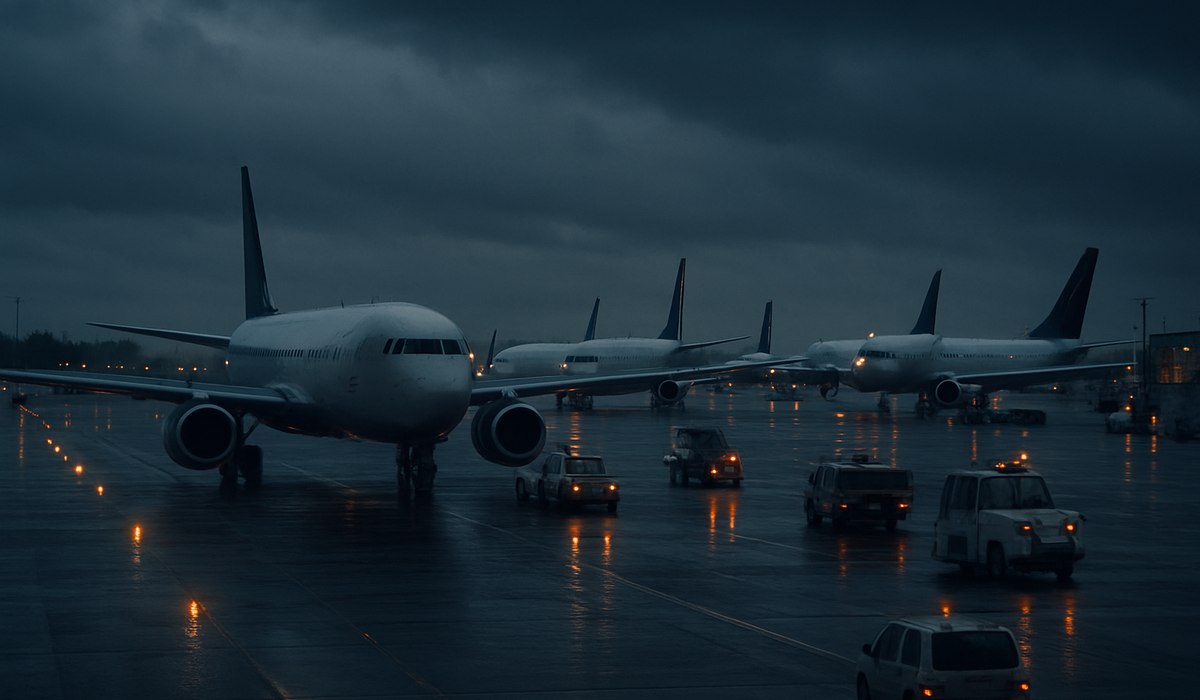
Image generated by AI
Seattle-Tacoma Airport Faces Operational Crisis as Alaska Airlines and Icelandair Flights Ground
Seattle-Tacoma International Airport experienced significant travel disruption on May 7-8, 2026, when multiple Alaska Airlines and codeshare Icelandair flights were grounded, triggering cascading delays across the Pacific Northwest's busiest aviation hub. The operational failure affected thousands of Seattle Tacoma travelers heading to destinations including San Francisco, Eugene, Orange County, Oklahoma City, and Boise, with some passengers experiencing delays exceeding two hours and missed connections rippling through the network well into the evening.
The incident underscores the vulnerability of hub-and-spoke airline networks, where single-point disruptions at major facilities like Seattle-Tacoma can multiply across entire route systems within hours. Travelers connecting through the airport reported significant inconvenience as crew duty-time restrictions and late-evening curfews forced airlines to make difficult operational choices between delayed departures, cancellations, and overnight aircraft repositioning.
Grounded Departures Trigger Cascading Delays Across Network
Seattle-Tacoma travelers depend on smooth operations at this crucial Pacific Northwest node, which serves as Alaska Airlines' primary domestic and international hub. When aircraft are grounded unexpectedly, the consequences propagate immediately through all downstream flights that aircraft was scheduled to operate.
On May 7, publicly available flight-tracking data from FlightAware revealed at least two Alaska-operated flights linked to Icelandair codeshares experienced extended ground time in Seattle. These aircraft remained on the tarmac longer than originally scheduled, effectively removing them from the daily rotation and forcing cascading schedule adjustments for subsequent departures.
One transcontinental service recorded departure delays exceeding two hours before eventually pushing into the late evening timeframe. The compressed schedule created additional pressures at receiving airports, where ground crews and gates had to accommodate unexpected arrival timing changes. Passengers connecting to onward flights found themselves increasingly vulnerable to missed connections as the afternoon progressed.
The domino effect continued as crew members approached their maximum allowable duty times under federal aviation regulations. Pilots and flight attendants have strict rest requirements, and when flights depart late, subsequent duty assignments become mathematically impossible, forcing either crew repositioning or further delays down the route network.
Operational Constraints Compound Long-Haul Flight Impacts
The timing of these groundings proved particularly consequential for long-haul and international services. Icelandair codeshare flights connecting to transatlantic operations via Keflavík added complexity, as these international rotations operate on tighter scheduling windows with mandatory crew rest requirements and airspace coordination across multiple countries.
Late-evening departures prove especially vulnerable to operational disruption because airports maintain noise curfews, and aircraft must depart within specific windows. When a single flight misses its departure window, it cannot simply launch thirty minutes later—it must wait until the next operational window the following day, effectively converting a delayed departure into a cancellation.
This constraint proved critical for Seattle Tacoma travelers booked on transatlantic connections. Passengers traveling from Seattle to European destinations faced either overnight repositioning of aircraft or rebooking to alternative flights operated by competing carriers or routed through different hubs. The reduced flexibility of international operations magnified the impact of the initial groundings far beyond what would occur on purely domestic routes.
Alaska Airlines' scheduling between Seattle and San Francisco exemplifies the pressure on interconnected networks. FAA guidance on airport capacity notes that busy corridors like Seattle-to-San Francisco operate at near-maximum utilization, leaving minimal buffer capacity when unexpected delays occur.
Affected Routes and Passenger Disruptions
The grounding of Alaska Airlines and Icelandair aircraft disrupted service on several key routes that Seattle Tacoma travelers depend on regularly:
| Route | Primary Use | Typical Daily Frequency | Reported Impact |
|---|---|---|---|
| Seattle-San Francisco (SEA-SFO) | Business/leisure/shuttle | 6-8 departures | Compression of late-afternoon schedule; arrivals shifted to evening |
| Seattle-Eugene (SEA-EUG) | Regional connections; university traffic | 3-4 departures | Missed connections to onward international flights via Seattle hub |
| Seattle-Orange County (SEA-SNA) | Leisure; Southern California business | 2-3 departures | Passengers rerouted through Portland or San Francisco |
| Seattle-Oklahoma City (SEA-OKC) | Inland business/connecting traffic | 1-2 departures | Extended layovers; connection windows compressed |
| Seattle-Boise Gowen (SEA-BOI) | Regional hub connections | 2-3 departures | Late-arriving aircraft degraded same-day connection options |
The San Francisco route proved especially sensitive because Alaska Airlines operates this corridor as a high-frequency shuttle serving both business and leisure markets. When single aircraft are pulled from rotation, tight scheduling on this profitable route compresses quickly, forcing airline crew scheduling systems to cascade delays to subsequent flights.
Eugene and Orange County passengers faced heightened disruption because these smaller markets have fewer daily flights to Seattle and limited alternative routing options. A passenger from Eugene missing an evening connection through Seattle to a coastal California destination might find no same-day alternatives available, forcing overnight repositioning.
Real-Time Flight Status and Tracking
Seattle Tacoma travelers experiencing delays on May 7-8 could monitor live status through FlightAware's real-time flight tracker, which displays detailed departure and arrival information, gate assignments, and estimated revisions. Airlines typically recommend checking 24 hours before departure for any schedule changes, as operational issues can develop with minimal advance notice.
Alaska Airlines' customer service channels and website provided delayed passengers access to rebooking options, though the volume of affected travelers created extended hold times on phone lines and chat systems. Email notifications from Alaska informed passengers of schedule changes, though some passengers reported delays of several hours between actual operational changes and airline notification to customers.
The compressed afternoon and evening timeline meant that passengers already at Seattle-Tacoma airport when groundings occurred had limited time to pursue rebooking before missing alternative flights. Those still en route to the airport faced urgent decisions about whether to proceed or reschedule, with airline agents sometimes unable to provide reliable information about revised departure times.
What Travelers Should Know
Seattle Tacoma travelers navigating airport disruptions need actionable information and clear understanding of their rights. While operational delays are sometimes unavoidable, travelers have specific protections and options:
When flights depart more than three hours late on domestic routes or six hours on international services, the U.S. Department of Transportation requires airlines to provide meal vouchers, hotel accommodations (if necessary), and ground transportation. The U.S. DOT Air Consumer Protection Division maintains detailed requirements that passengers can reference directly.
Airlines must rebook passengers on alternative flights at no additional charge when the airline causes the delay. This may include flights operated by competing carriers if the airline's own next available flight would constitute an unreasonable delay. Passengers should not accept reductions to their fare class without explicit written consent.
For international connections missed due to airport disruptions, airlines must provide rebooking that maintains (or improves) the original routing—not simply rebooking to a connecting city while leaving the passenger stranded. This distinction matters critically for Seattle Tacoma travelers with international itineraries.
Weather-related delays and other extraordinary circumstances technically exempt airlines from compensation obligations, though this exemption has been narrowed significantly by recent court decisions addressing operational failures disguised as weather issues. Mechanical problems and air traffic control restrictions are typically airline responsibility.
Traveler Action Checklist
If you were affected by May
Disclaimer
This article is for informational and educational purposes only. It does not constitute legal, financial, or professional advice. While we strive to provide accurate and up-to-date information, travel policies, regulations, and conditions change rapidly. Always verify information with official sources before making travel decisions. Nomad Lawyer makes no representations about the accuracy, reliability, completeness, or suitability of the information provided. Readers should consult qualified professionals for advice specific to their circumstances. The views expressed in this article are those of the author and do not necessarily reflect the views of Nomad Lawyer.
Preeti Gunjan
Contributor & Community Manager
A passionate traveller and community builder. Preeti helps grow the Nomad Lawyer community, fostering engagement and bringing the reader experience to life.
Learn more about our team →