
Spain Beats Luxembourg and More as Strong European Passports Boost Visa-Free Travel in 2026
Spain Beats Luxembourg and More as Strong European Passports Boost Visa-Free Travel in 2026

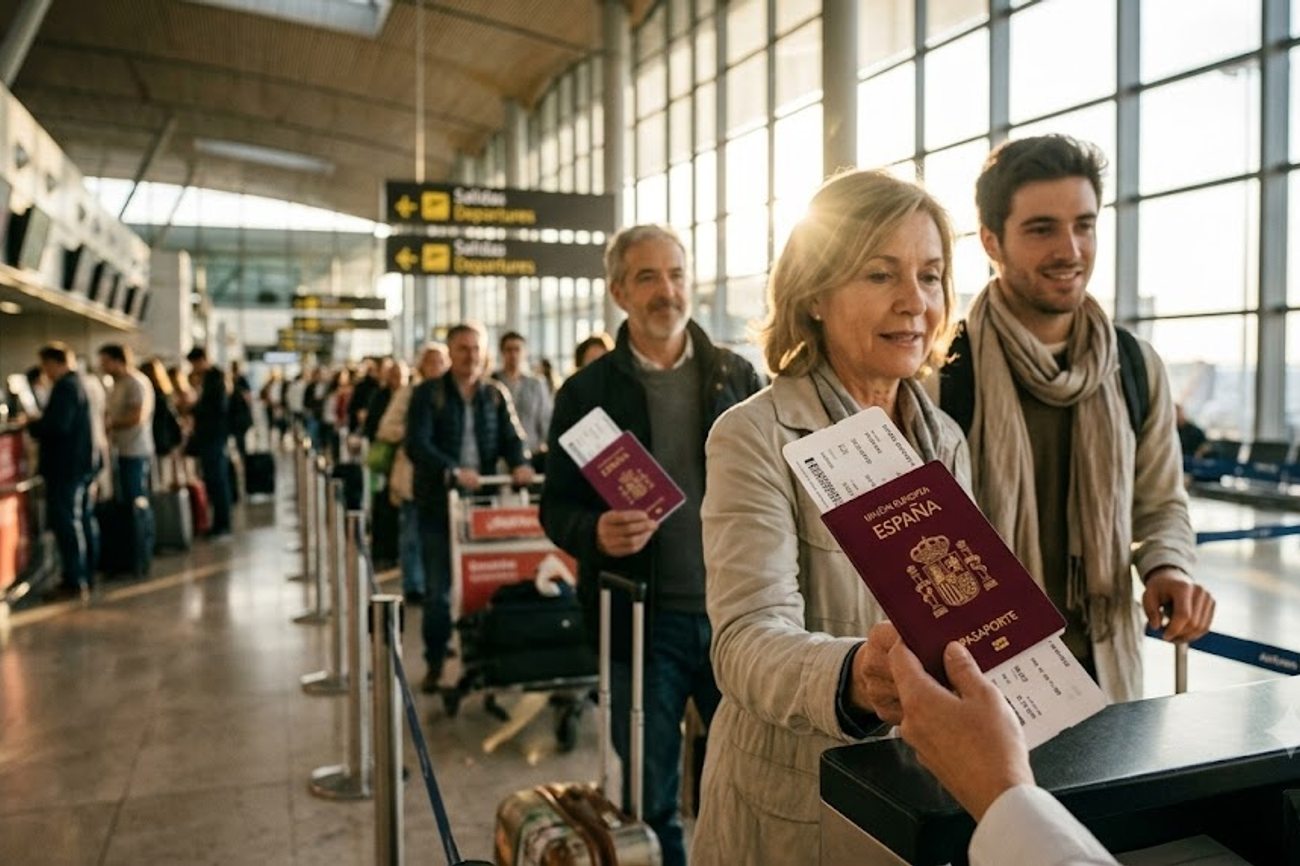
Image generated by AI
58.1 million international tourists arriving in Spain between January and July 2026 underscores a massive surge in European mobility that extends far beyond simple passport strength. This volume, representing a 4.6% increase over the same period in 2025, signals a broader trend where the Schengen Area's seamless border integration is fueling record-breaking tourism economies across the continent. While the ease of movement for citizens of Spain, Luxembourg, Belgium, and France remains a gold standard for international travel, the regulatory environment governing how they—and those visiting them—cross borders is undergoing a fundamental digital transformation.
The Digital Pivot of the Schengen Framework
The ability to traverse 27 European Union member states, alongside Iceland, Liechtenstein, Norway, and Switzerland, using only a national identity card or passport is the bedrock of European travel. However, the "borderless" experience is being overlaid with a sophisticated digital surveillance and authorization layer. The full implementation of the EU Entry/Exit System (EES) and the rollout of the European Travel Information and Authorisation System (ETIAS) mark the end of the era of passive border crossings for non-EU citizens.
For the citizens of the four primary hubs—Spain, Luxembourg, Belgium, and France—these systems do not create new hurdles, as they remain exempt from EES registration. Yet, the operational reality for their tourism industries is changing. The European Commission is shifting from manual passport stamping to automated biometric registration. This transition is designed to tighten security and track overstays, but it also fundamentally alters the logistics of arrival for the millions of visa-free travelers who fuel the economies of Southern and Western Europe.
Quantitative Analysis of European Mobility Hubs
The scale of movement within these four nations reveals distinct economic profiles: Spain acts as a global volume leader, Belgium as a central transit hub, and Luxembourg as a high-spend international enclave.
| Nation | Key Mobility Metric | Data Point | Year-on-Year Growth |
|---|---|---|---|
| Spain | Int'l Tourists (Jan-Jul) | 58.1 Million+ | +4.6% |
| Belgium | Overnight Stays (2025) | 46,136,112 | +2.9% |
| Luxembourg | Foreign Share of Nights (H1) | 87.7% | N/A |
| Spain | July Int'l Arrivals | 11.5 Million | +4.6% |
| Belgium | May 2026 Overnight Stays | 4,520,934 | +4.6% |
Belgium's data highlights a specific reliance on hotel infrastructure, which accounted for 43.7% of all overnight stays in May 2026. Meanwhile, Spain's momentum is staggering, with 2025 seeing 513.6 million total tourist accommodation nights, providing a massive baseline for the 2026 growth figures.
Expert Analysis: The Paradox of "Visa-Free" Travel
As a senior analyst, I see a dangerous misconception growing among travelers: the conflation of "visa-free access" with "unrestricted entry." In 2026, the gap between these two concepts is widening. For a nomad or business traveler, the direct consequence of the new EU digital systems is that the "frictionless" journey now requires pre-departure digital compliance.
The pricing pressure created by this shift is subtle but real. As nations like Spain and Belgium integrate more rigorous electronic authorizations, the cost of managing these systems is often passed down through tourism taxes or increased service fees at the border. Furthermore, the data from Luxembourg reveals a critical pattern: their residents spend an average of €1,304 per holiday trip, with a heavy concentration of travel toward France (20.2%), Germany (12.1%), and Portugal (8.1%). This indicates that while the passport provides the legal right to move, the economic movement is driven by regional clusters.
The latest rankings reveal that Spain has surpassed Luxembourg as one of the strongest European passports, offering visa-free travel to numerous destinations worldwide. According to the Henley Passport Index, Spanish citizens can travel to over 190 countries without a visa, making it an attractive option for globetrotters. This development is expected to boost tourism in Spain, with travelers flocking to popular destinations such as Barcelona and Madrid.
For travelers booking routes into the Schengen zone, the risk is no longer a missing visa, but a failure of digital synchronization. If an ETIAS authorization is delayed or an EES biometric scan fails, the "visa-free" status of a passport becomes irrelevant. The immigration authorities retain absolute discretion over entry, and the shift toward automated systems means there are fewer human intermediaries to resolve disputes at the gate. Travelers must now treat their digital authorization as a document as critical as the passport itself.
Key Takeaways
- Spain's Dominance: With 58.1 million visitors in the first seven months of 2026, Spain is the primary engine of European tourism growth, maintaining a steady 4.6% annual increase.
- Digital Transition: The implementation of EES and ETIAS means that non-EU citizens can no longer rely on simple passport checks; digital pre-authorization is now mandatory.
- Luxembourg's Unique Profile: An extraordinary 87.7% of tourism nights in Luxembourg are generated by foreigners, coupled with high domestic spending (€1,304 per trip).
- Belgian Stability: Belgium continues to see growth in overnight stays, reaching over 46 million in 2025 and continuing that trend into May 2026 with 4.5 million stays.
- Mobility vs. Admission: "Visa-free" does not mean "automatic entry." Passport validity and electronic authorizations remain strict prerequisites for border crossing.
FAQ: European Travel 2026
Do I need a visa to visit Spain or France in 2026? It depends on your citizenship. EU citizens only need a national ID or passport. Non-EU citizens who previously enjoyed visa-free travel must now ensure they have a valid ETIAS authorization before arrival.
What is the difference between EES and ETIAS? The European Union's Entry/Exit System (EES) is a biometric registration system used at the border to track stays. ETIAS is a pre-travel authorization that must be applied for online before you fly.
Can I travel within the Schengen Area with just an ID card? Yes, if you are a citizen of an EU member state or a Schengen-associated country. However, if you are traveling outside this zone, a valid passport is mandatory.
Why are border checks appearing in Schengen countries? While internal borders are generally open, member states can temporarily restore border controls during exceptional circumstances, such as security threats or major geopolitical events.
The era of the invisible border is ending, replaced by a digital perimeter that knows who you are before you land.
Tags: Spain Tourism 2026, Schengen Area ETIAS, European Union EES, Luxembourg Travel Economics, Belgium Tourism Data, EU Passport Mobility
Related Travel Guides
- US Joins Other Leading Countries As Kenya Strengthens Tourism With Hapa Ni Wapi Campaign Driving Domestic Travel Growth
- Wasaga Beach Destination Master Plan 2026: Ontario's $38 Million Waterfront Tourism Overhaul
- US Department of State Launches Digital Visa Fraud Reporting Portal to Tighten 2026 Immigration Screening
Disclaimer
This article is for informational and educational purposes only. It does not constitute legal, financial, or professional advice. While we strive to provide accurate and up-to-date information, travel policies, regulations, and conditions change rapidly. Always verify information with official sources before making travel decisions. Nomad Lawyer makes no representations about the accuracy, reliability, completeness, or suitability of the information provided. Readers should consult qualified professionals for advice specific to their circumstances. The views expressed in this article are those of the author and do not necessarily reflect the views of Nomad Lawyer.
Kunal K Choudhary
Co-Founder & Contributor
A passionate traveller and tech enthusiast. Kunal contributes to the vision and growth of Nomad Lawyer, bringing fresh perspectives and driving the community forward.
Learn more about our team →