
US Joins Other Leading Countries As Kenya Strengthens Tourism With Hapa Ni Wapi Campaign Driving Domestic Travel Growth
US Joins Other Leading Countries As Kenya Strengthens Tourism With Hapa Ni Wapi Campaign Driving Domestic Travel Growth

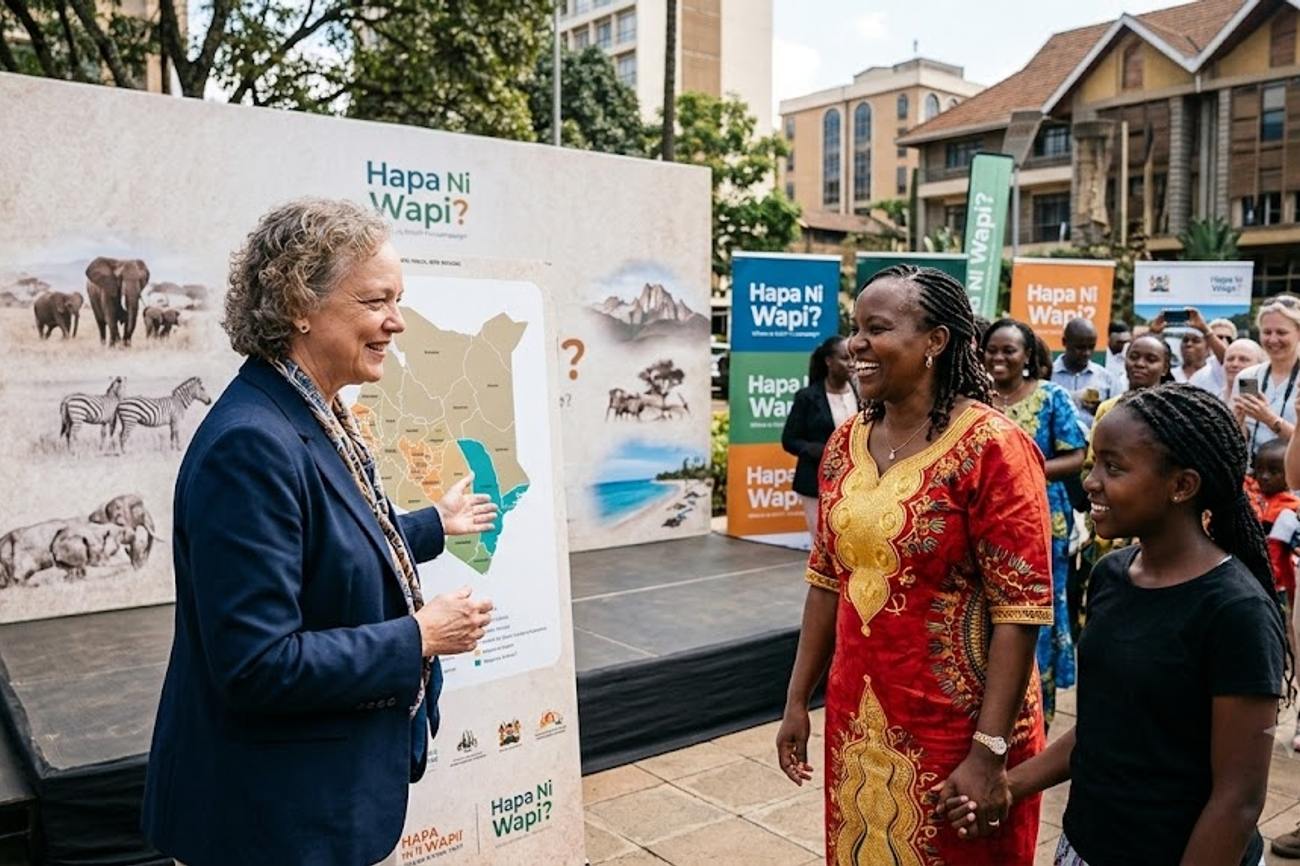
Image generated by AI
[Nairobi, October 2025] — The Kenya Tourism Board (KTB) has launched the "Hapa Ni Wapi" Sales Conversion Campaign, a strategic offensive designed to pivot domestic travel from general awareness to confirmed bookings in emerging, off-the-beaten-path destinations.
The initiative marks a fundamental shift in how the East African nation manages its tourism pipeline. Rather than focusing on broad marketing, the KTB is partnering with over 50 tourism operators and various county governments to build affordable, "ready-to-book" travel packages. The primary objective is to scale domestic bed nights from 5.15 million recorded in the 2025/26 financial year to a target of 5.6 million by 2027.
The Catalyst for Diversification
The "Hapa Ni Wapi" campaign is a direct response to the over-saturation of traditional tourism hubs. By converting latent interest into actual revenue, the KTB aims to decentralize the tourism economy and distribute wealth to rural and underserved regions.
The rollout began in the Northern Kenya Circuit, specifically targeting the Samburu region and the Chalbi Desert. These areas were selected due to their distinct cultural heritage and unique geological landscapes, which offer a stark contrast to the traditional savannah experience. Following the Northern launch, the campaign is expanding its footprint to include Mambrui-Malindi and various destinations across Western Kenya.
This systemic push is supported by significant investments in road connectivity, which the Government of Kenya has prioritized to ensure that remote tourism locations are accessible to both local and international visitors. By formalizing the packaging of these trips, the KTB is removing the friction typically associated with visiting remote regions, making "adventure travel" a commodity available to the average domestic traveler.
Markets and Regions Impacted
The campaign's architecture affects a wide array of stakeholders, from local lodge owners in Samburu to international travel agencies in North America and Mexico.
| Segment | Impacted Region/Market | Primary Focus |
|---|---|---|
| Domestic Travelers | Northern Kenya, Western Kenya, Coast | Affordable, structured packages to the Chalbi Desert and Mambrui-Malindi |
| US Travelers | Samburu, Maasai Mara | Luxury safari, conservation, and high-end desert experiences |
| Canadian Travelers | Conservation Areas, Northern Circuit | Sustainable, nature-based tourism and authentic cultural immersion |
| Mexican Travelers | Indian Ocean Coast, National Parks | Heritage sites, wildlife, and diversified coastal holidays |
| Industry Providers | 50+ Tourism Operators | Transition from destination marketing to direct sales conversion |
Practical Traveler Advisory and Strategic Insights
For the average traveler, the "Hapa Ni Wapi" initiative transforms Kenya from a "two-stop" destination (typically Nairobi and the Maasai Mara) into a multi-circuit experience.
For Domestic Travelers: The "sales conversion" aspect means you will see fewer vague advertisements and more concrete price points. The KTB is forcing a move toward transparent, bundled pricing—including transport and accommodation—making it financially viable for middle-class Kenyans to visit the Northern Circuit.
For International Travelers (US, Canada, Mexico): While the campaign is domestic-first, the infrastructure it builds—better roads, trained local guides, and standardized lodging—directly benefits the global market. American and Canadian tourists can now expect more structured itineraries in regions that were previously "wild" or difficult to navigate. The development of the Northern Kenya Circuit provides a legitimate alternative for those seeking to avoid the crowds of the primary safari parks.
For Luxury and Sustainable Seekers: The push toward community-based tourism means a rise in "authentic" lodging. Travelers should expect an increase in boutique, eco-friendly lodges that are integrated into local indigenous communities, particularly in the Samburu and Western Kenya regions.
The US has joined other leading countries in recognizing Kenya's efforts to strengthen its tourism industry, particularly with the Hapa Ni Wapi campaign driving domestic travel growth. For the latest information on travel requirements and guidelines, visitors can check the official Kenya Tourism Board website. This campaign is expected to boost tourism revenue and create new opportunities for local businesses.
The Global Expansion Strategy
The KTB is leveraging the domestic growth of the "Hapa Ni Wapi" campaign to signal stability and variety to high-value international markets. By proving that these emerging destinations can sustain domestic volume, Kenya is effectively "beta-testing" these routes for the World Tourism Organization (UNWTO) standards of sustainable travel.
The United States remains a cornerstone of Kenya's international strategy. The KTB is aligning its new domestic offerings with the specific preferences of US travelers: luxury, wildlife conservation, and desert exploration. By diversifying the product, Kenya reduces its reliance on a single type of tourist and protects itself against market volatility in any one country.
Similarly, the Canadian market's appetite for sustainable and nature-based travel is being met with the expansion into Northern Kenya. The focus here is on lower-density tourism, which appeals to the Canadian preference for authentic, less-crowded experiences.
Mexico represents a burgeoning frontier for Kenyan tourism. The KTB is utilizing the improved packaging from the "Hapa Ni Wapi" campaign to make Kenya a more legible destination for Mexican travelers, who may be less familiar with East African logistics than North Americans. By creating clear, package-based options, Kenya is lowering the barrier to entry for this growing market.
FAQ: Kenya Tourism Expansion 2025-2027
What is the "Hapa Ni Wapi" campaign? It is a sales-driven initiative by the Kenya Tourism Board to increase domestic travel by creating ready-to-book, affordable packages for lesser-known destinations, moving beyond simple destination awareness to confirmed bookings.
Which new destinations should travelers look at? The primary focus is currently on the Northern Kenya Circuit, including Samburu and the Chalbi Desert, with further expansions into Mambrui-Malindi and Western Kenya.
How does this affect international flight and hotel bookings? While the campaign targets domestic growth, the resulting infrastructure improvements and new luxury lodge developments in remote areas provide international travelers with more diverse itinerary options and better road access to remote sites.
What are the domestic tourism targets for 2027? The Kenya Tourism Board aims to increase domestic bed nights from the current 5.15 million (2025/26 FY) to 5.6 million by 2027.
Kenya is no longer just a safari destination; it is becoming a diversified travel ecosystem.
Related Travel Guides
Disclaimer
This article is for informational and educational purposes only. It does not constitute legal, financial, or professional advice. While we strive to provide accurate and up-to-date information, travel policies, regulations, and conditions change rapidly. Always verify information with official sources before making travel decisions. Nomad Lawyer makes no representations about the accuracy, reliability, completeness, or suitability of the information provided. Readers should consult qualified professionals for advice specific to their circumstances. The views expressed in this article are those of the author and do not necessarily reflect the views of Nomad Lawyer.
Raushan Kumar
Founder & Lead Developer
Full-stack developer with 11+ years of experience and a passionate traveller. Raushan built Nomad Lawyer from the ground up with a vision to create the best travel and law experience on the web.
Learn more about our team →