
Boarding Gridlock Averted: Southwest Airlines Abruptly Scraps Controversial Seat Fee to Prevent Travel Chaos and Passenger Rebooking Nightmares
As airlines frantically attempt to minimize airport disruptions and boarding friction, Southwest Airlines executes a massive policy reversal, dropping its aggressive seat-encroachment fee following intense public backlash.

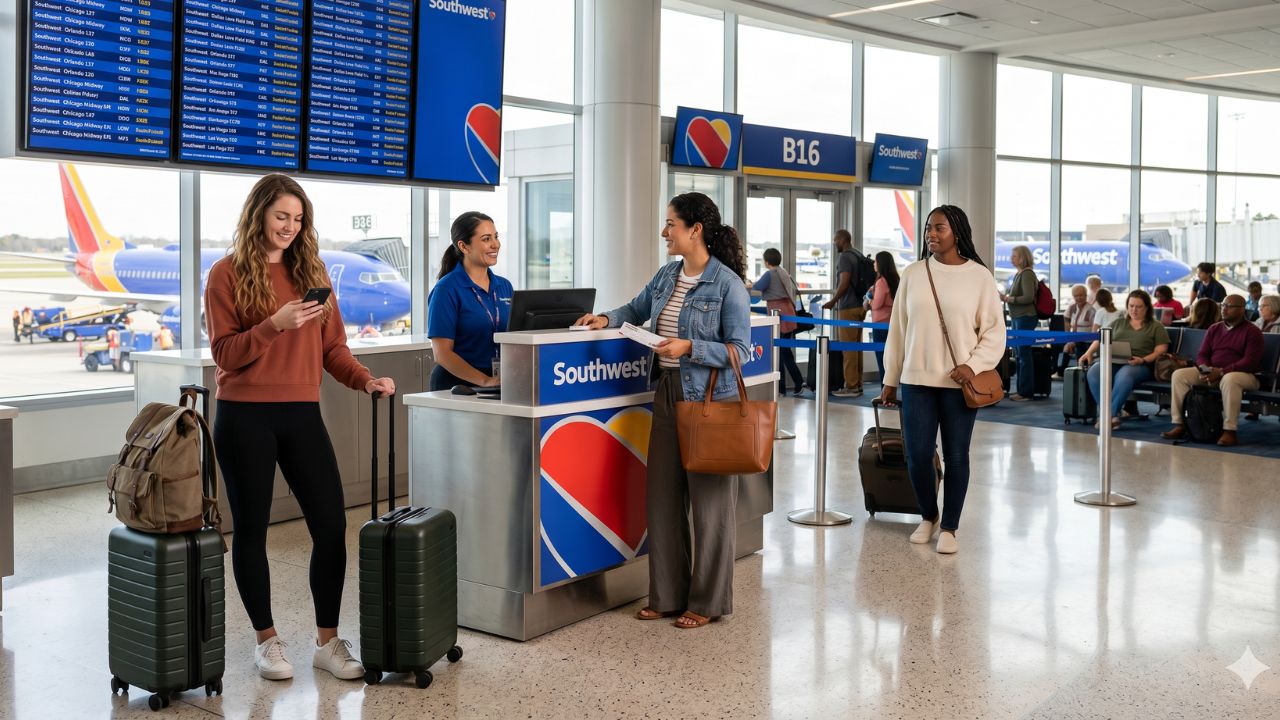
Image generated by AI
A Massive Corporate Policy Shift to Prevent Boarding Panic
While massive sectors of the global passenger network frequently battle highly unpredictable extreme weather events and horrific commercial fleet constraints, the intense human friction that occurs during the physical boarding process remains a massive catalyst for localized airport disruptions. Delivering highly urgent, breaking airline news, verified North American aviation consumer advocates confirm that a massive corporate policy reversal has actively occurred, designed specifically to prevent severe travel chaos on the jet bridge. Today, June 4, 2026, highly alarming operational news forcefully emerged confirming that Southwest Airlines has officially and abruptly walked back its highly controversial seating policy regarding travelers who require more cabin space, ending a fiercely debated corporate mandate that threatened to trigger massive passenger outrage across the United States.
While desperate travelers usually attempt to navigate terrifying terminal gridlock caused by absolute flight cancellations, these exclusive aviation updates reveal a highly systemic, incredibly complex logistical debate actively shaping the interior of the Dallas-based budget carrier's fleet. For plus-size flyers, the vulnerability of stepping down the narrow aisles of a crowded cabin and wondering if the space provided will accommodate their physical frame is a terrifying reality. In a massive operational shift, Southwest gate agents are now officially authorized to arrange a free secondary seat for passengers of size directly at the departure gate, provided that there are adjoining empty spaces available on the aircraft when boarding commences. This sudden restructuring aims to immediately neutralize boarding conflicts and establish a more accessible pathway to the skies.
Expanded Overview: The Scale of the Spatial Equity Debate
The sudden, highly publicized execution of this massive corporate rollback serves as an undeniable example of how rapidly consumer backlash can force major domestic carriers to abandon aggressive monetization strategies. Back in January, Southwest executives flipped the script on their long-standing hospitality reputation by mandating a highly restrictive policy: any customer whose physical frame exceeded the boundary of a single economic seat was strictly required to proactively book and pay for a secondary ticket in advance. For a massive corporate and leisure corridor heavily reliant on budget-friendly transit, this massive financial barrier heavily exposed the carrier to terrifying public relations bottlenecks and severe accusations of targeting a highly vulnerable segment of the flying public.
The terrifying reality of the initial January mandate was the unfair economic toll applied to the simple act of commercial transit. Aviation compliance groups noted that while Southwest previously promised to fully refund the cost of that extra ticket post-flight if the plane took off with empty space, the mandatory upfront expense sparked instant, massive outrage across digital advocacy platforms. By actively failing to process routine passenger traffic without imposing heavy financial burdens, the airline risked creating a highly destructive ripple effect, alienating millions of families and corporate commuters who demand basic human dignity and comfort rather than aggressive financial penalties during the boarding process.
Section-Wise Breakdown of the Policy Reversal
The Financial Pressures Fueling Cabin Monetization
The internal corporate push to strictly monetize every single square inch of the aircraft cabin did not occur in a vacuum; it is heavily fueled by systemic economic pressures paralyzing the entire aviation market. Federal transportation audits show that domestic airlines are currently wrestling with a monumental surge in international jet fuel prices. To cover these massive overhead spikes, budget carriers are frantically scrambling to identify alternative ancillary revenue streams. Just weeks prior to this seating policy revision, Southwest joined rival legacy networks by actively raising its first and second checked bag fees by $10 for all voluntary reservations, guaranteeing that the total mass carried aboard their Boeing 737 fleets is aggressively accounted for on corporate balance sheets.
Mitigating Boarding Chaos and Passenger Rebooking
To minimize friction on the jet bridge during highly competitive, time-sensitive boarding windows, transit coordinators are rapidly training customer service agents to handle the revised layout with absolute discretion. However, the new free-seat framework carries a highly critical caveat that could still trigger massive travel chaos. Under the freshly amended guidelines, if a flight is entirely sold out, passengers who require extra space but did not purchase a secondary seat in advance may face the brutal reality of being forcefully re-booked onto a later, less congested flight to satisfy safety and space compliance. This involuntary rebooking threat guarantees that passengers on fully booked routes could still suffer entirely ruined itineraries.
The Absence of Federal Spatial Mandates
Concurrently, legal observers aggressively note that the battle over passenger spatial equity is far from over. While federal transportation boards maintain incredibly strict safety requirements regarding seatbelt extensions and structural aisle clearances, there are currently absolutely no centralized federal mandates forcing private commercial airlines to provide complimentary additional real estate to flyers based on physical size. This massive regulatory loophole leaves the decision entirely in the hands of individual airline executives, proving that consumer voices and immediate public backlash still hold incredible, industry-shaping sway over corporate policy.
Verified Aviation Policy and Corporate Data
To fully comprehend the massive operational scale and financial strategy dictating this highly debated policy reversal, the following table explicitly details the exact corporate metrics heavily impacting Southwest Airlines today:
Southwest Airlines Corporate Policy and Fee Modifications
| Operational Metric / Policy | Verified Corporate Data | Direct Impact on Aviation Logistics |
|---|---|---|
| Airline & Fleet Configuration | Southwest Airlines (Boeing 737 Fleets) | Narrow-body cabins spark spatial equity debates. |
| Previous Mandate (January) | Upfront Purchase Required for Extra Seat | Sparked massive public backlash and advocacy outrage. |
| New Reversal Policy | Free Secondary Seat at Gate (If Available) | Reduces upfront financial barriers; relies on empty seats. |
| Sold-Out Flight Protocol | Involuntary Rebooking for Space Needs | Triggers massive travel chaos for impacted passengers. |
| Recent Ancillary Fee Hikes | 1st & 2nd Checked Bags Increased by $10 | Aggressively offsets massive international jet fuel costs. |
| Federal Spatial Mandates | None Exist for Complimentary Extra Seats | Airlines retain absolute control over cabin real estate. |
Passenger Impact: Navigating the Boarding Gridlock
For the modern commuter attempting to navigate this highly volatile domestic network, the passenger impact of these continuous policy shifts is completely terrifying. Reliable, dignified boarding processes are the absolute backbone of seamless travel, and shifting corporate guidelines threaten to destroy that promise.
- Avoid Severe Terminal Rebooking: Because free secondary seats are strictly subject to availability, passengers on sold-out flights who did not pre-purchase face intense fear of being violently bumped and physically isolated in holding areas to await a later flight.
- The Threat of Ruined Connections: Being involuntarily re-booked due to a sold-out cabin guarantees that passengers will violently miss original arrival times, completely ruining onward itineraries and vital connecting flights.
- Survive the Baggage Fee Gridlock: Rather than celebrating a smooth journey, travelers must now aggressively budget for the new $10 checked bag fee hikes, battling extreme financial friction before even reaching the departure gate.
Conclusion: A Highly Destructive Boarding Debate
The massive, highly publicized reversal of Southwest Airlines' seat-encroachment fee represents a severe, incredibly revealing wake-up call for the North American aviation sector. By actively demonstrating that aggressive ancillary revenue strategies can instantly collapse under intense consumer pressure, this incident completely highlights the fragile relationship between budget carriers and their passengers. As executive leadership at Southwest frantically scrambles to implement the new gate-agent protocols and appease angry advocacy groups, domestic travelers are heavily urged to aggressively monitor flight capacity, actively prepare for the possibility of involuntary rebooking on sold-out routes, and fully expect this unprecedented spatial debate to continue shaping the future of commercial travel.
Key Takeaways
- Massive Policy Reversal: Southwest Airlines has abruptly scrapped its January mandate requiring passengers of size to proactively purchase a secondary ticket upfront.
- Gate-Level Accommodations: Gate agents are now authorized to arrange a free secondary seat, provided adjoining empty spaces are available at boarding.
- The Rebooking Threat: If a flight is completely sold out, passengers needing extra space who did not pre-purchase may be involuntarily re-booked onto a later flight, sparking severe travel delays.
- Surging Ancillary Fees: To combat massive jet fuel costs, Southwest recently raised its first and second checked bag fees by $10.
- Passenger Survival Tactics: Travelers are aggressively urged to check flight capacity closely; if a route appears sold out, purchasing the extra seat in advance is the only way to completely avoid devastating involuntary rebooking.
Disclaimer: The specific policy updates, fee modifications, and corporate mandates presented in this report are based on verified aviation consumer alerts regarding Southwest Airlines operations. Official airline technical guidelines, exact boarding procedures, and federal safety regulations are highly volatile and subject to continuous, real-time update based on active corporate shifts. Prospective passengers are urgently advised to fiercely monitor their specific booking status and verify active seating policies directly via the airline's official portal prior to airport arrival.
Disclaimer
This article is for informational and educational purposes only. It does not constitute legal, financial, or professional advice. While we strive to provide accurate and up-to-date information, travel policies, regulations, and conditions change rapidly. Always verify information with official sources before making travel decisions. Nomad Lawyer makes no representations about the accuracy, reliability, completeness, or suitability of the information provided. Readers should consult qualified professionals for advice specific to their circumstances. The views expressed in this article are those of the author and do not necessarily reflect the views of Nomad Lawyer.
Kunal K Choudhary
Co-Founder & Contributor
A passionate traveller and tech enthusiast. Kunal contributes to the vision and growth of Nomad Lawyer, bringing fresh perspectives and driving the community forward.
Learn more about our team →