
Southwest Aircraft Grounded After Ground Vehicle Collision at Memphis Hub
Breaking airline news and aviation industry updates for 2026.

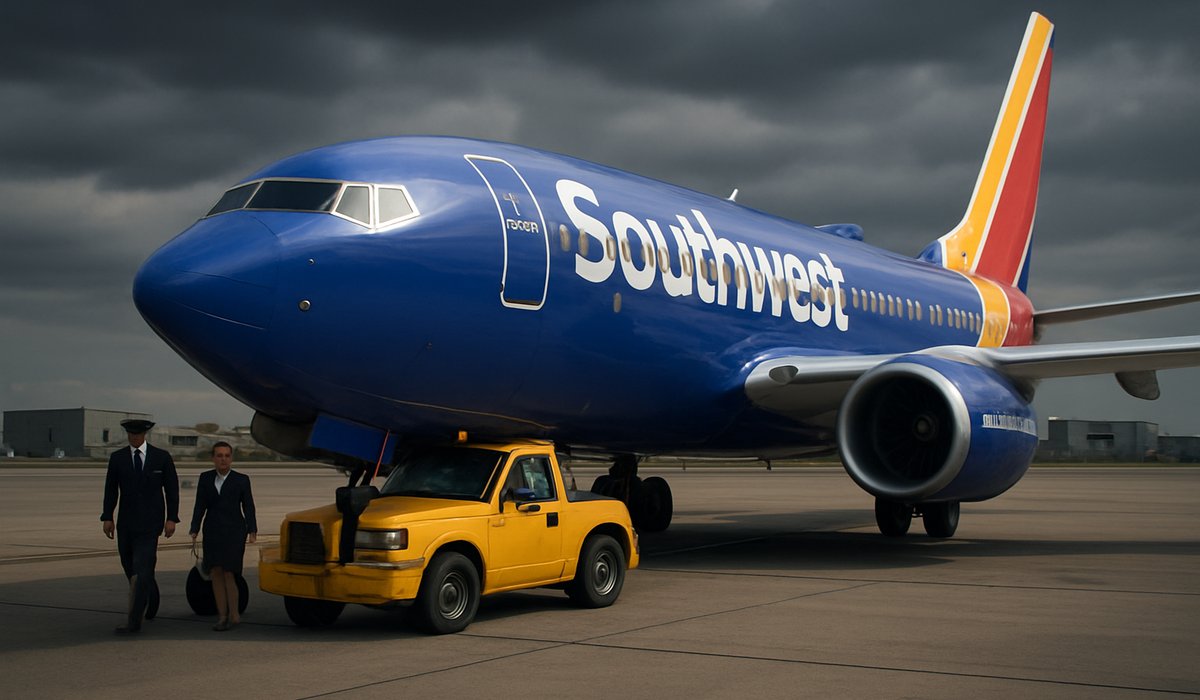
Image generated by AI
Southwest Aircraft Grounded After Ground Vehicle Collision at Memphis Hub
Emergency crews respond to aircraft damage incident as carrier faces operational disruptions
A Boeing 737-700 operated by Southwest Airlines was pulled from service Sunday following a collision with ground support equipment at Memphis International Airport, marking another operational setback for the carrier amid ongoing fleet management challenges.
Incident Details and Emergency Response
Emergency personnel were dispatched to Memphis International Airport (MEM) on June 21st after a ramp vehicle became lodged beneath the fuselage of the Southwest aircraft while passengers were boarding. Video footage circulating from the incident shows the ground support vehicle making contact with the lower fuselage of the narrow-body jet, resulting in visible damage that rendered the aircraft temporarily unserviceable.
The collision represents a critical operational disruption during peak summer travel season, when airlines operate at maximum capacity to capitalize on holiday demand. The incident underscores persistent challenges within ground operations management across major aviation hubs, where coordination between flight crews, ground handlers, and equipment operators remains a consistent vulnerability.
Operational and Financial Implications
The grounding of aircraft—even temporarily—carries substantial financial consequences for carriers operating on tight margins. Southwest, which has faced mounting pressure from elevated jet fuel prices and inflationary operating costs, cannot afford extended aircraft downtime during high-demand travel periods. Each day an aircraft remains out of service represents lost revenue from cancelled or delayed flights, plus additional costs for passenger accommodations and rebooking logistics.
This incident adds to a growing pattern of ground-related incidents affecting major carriers. The aviation industry has grappled with staffing shortages in ground operations since the pandemic-related workforce reductions, often resulting in increased collision risks and operational errors.
Broader Industry Context
Ground vehicle incidents, though typically preventable through rigorous safety protocols, have become increasingly frequent across U.S. airports. Contributing factors include labor shortages, compressed turnaround times between flights, and aging ground support equipment at major hubs. Airlines have responded by implementing enhanced ground safety training and investing in collision-avoidance technology.
For Southwest specifically, the incident occurs as the carrier manages fleet modernization efforts and navigates volatile fuel surcharges that have forced competitors like United and American to adjust baggage fees and ancillary pricing structures.
Looking Forward
Southwest has not yet disclosed the extent of structural damage or a timeline for the aircraft's return to service. The carrier typically conducts comprehensive inspections following such incidents before returning equipment to revenue service.
FAQ: Ground Operations and Airline Safety
What causes ground vehicle collisions with aircraft? Collisions typically result from communication failures, equipment blind spots, staffing shortages, or inadequate coordination between flight deck and ground operations during boarding and pushback procedures.
How do ground incidents impact airline finances? Each aircraft grounding costs airlines thousands in lost revenue per day, plus compensation expenses, rebooking fees, and potential maintenance and structural repair costs.
Is this common in the aviation industry? While airports maintain rigorous safety protocols, incidents are recurring concerns at high-traffic hubs. Industry groups estimate thousands of ground-related operational disruptions annually.
How do airlines prevent these incidents? Modern safety measures include collision-avoidance systems, enhanced ground crew training, standardized communication protocols, and mandatory safety briefings before ground operations.
Does this affect passenger ticket prices? Operational disruptions and aircraft downtime contribute to capacity constraints, which can pressure airlines to adjust pricing and fuel surcharges across their route networks.
Related Travel Guides
External Resources
Disclaimer
This article is for informational and educational purposes only. It does not constitute legal, financial, or professional advice. While we strive to provide accurate and up-to-date information, travel policies, regulations, and conditions change rapidly. Always verify information with official sources before making travel decisions. Nomad Lawyer makes no representations about the accuracy, reliability, completeness, or suitability of the information provided. Readers should consult qualified professionals for advice specific to their circumstances. The views expressed in this article are those of the author and do not necessarily reflect the views of Nomad Lawyer.
Raushan Kumar
Founder & Lead Developer
Full-stack developer with 11+ years of experience and a passionate traveller. Raushan built Nomad Lawyer from the ground up with a vision to create the best travel and law experience on the web.
Learn more about our team →