
Southwest Airlines' Free Starlink WiFi Comes With a Costly Catch for Budget Travelers in 2026
Breaking airline news and aviation industry updates for 2026.

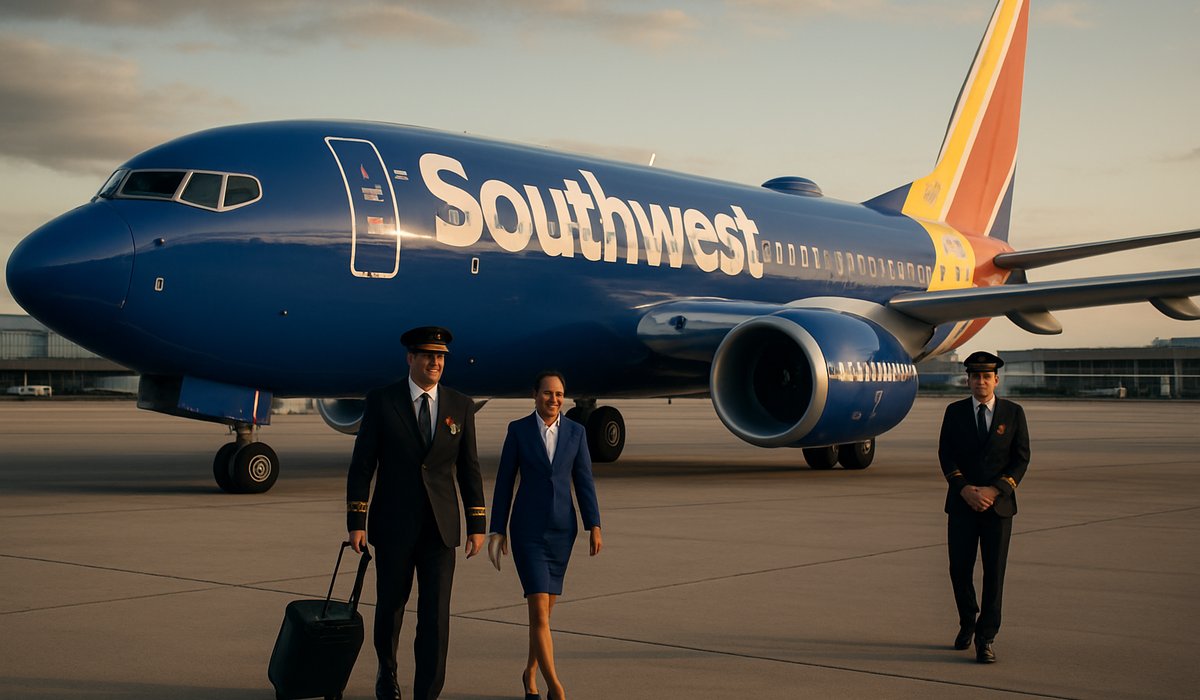
Image generated by AI
Southwest Airlines' Free Starlink WiFi Comes With a Costly Catch for Budget Travelers in 2026
The carrier's connectivity upgrade signals a broader shift away from its no-frills heritage as ancillary revenue pressures mount across the industry
The Trade-Off Behind Free In-Flight Internet
Southwest Airlines is rolling out complimentary Starlink satellite internet access across its fleet in 2026, marking what appears to be a customer-friendly enhancement. However, the move masks a fundamental strategic pivot: the airline is quietly dismantling the egalitarian model that defined its competitive advantage for decades.
The catch lies in what Southwest is removing to fund this upgrade. As the Dallas-based carrier introduces free WiFi connectivity—previously a paid service—industry sources indicate the airline is simultaneously expanding ancillary revenue streams through enhanced baggage policies and premium seat assignments, effectively redistributing costs in ways that disproportionately affect budget-conscious passengers.
How Southwest's Brand Identity Is Shifting
For over four decades, Southwest distinguished itself through radical transparency and simplicity. Unlike competitors who layered fees atop base fares—premium cabin surcharges, baggage charges, seat selection costs—Southwest's open-seating policy and inclusive checked-bag allowance created a perception of democratized air travel. Two free checked bags became the airline's calling card, differentiating it from carriers like American, Delta, and United, which imposed $30-$40 fees for additional luggage.
This positioning transformed Southwest from a regional Texas-based operator into North America's largest carrier by domestic passengers, generating fierce brand loyalty among leisure and budget-conscious travelers.
The Broader Industry Context
The shift reflects mounting pressure on airline margins. Elevated jet fuel costs, labor negotiations, and post-pandemic capacity constraints have forced carriers to aggressively pursue ancillary revenue—now representing 15-20% of total airline revenues industry-wide. Starlink integration provides Southwest with a modern amenity to tout while quietly restructuring its fee architecture.
The free WiFi announcement conveniently overshadows less palatable changes to baggage policies and seat selection, allowing Southwest to maintain its reputation for customer-first positioning while gradually converging toward the segmented pricing model it once rejected.
What This Means for Travelers
Passengers should scrutinize Southwest's 2026 terms carefully. While free internet connectivity is undeniably valuable, the real question is whether overall travel costs—when accounting for new or expanded baggage and seat fees—actually remain competitive against legacy carriers.
For decades, Southwest's appeal lay in transparent, all-inclusive pricing. The emerging hybrid model suggests that appeal is eroding, replaced by the industry-standard practice of dangling headline amenities while monetizing ancillary services.
FAQ: Southwest Airlines, Starlink WiFi, and Airline Fees Explained
Q: Will Southwest Airlines charge for Starlink WiFi after 2026? A: Southwest has committed to free WiFi for passengers in 2026, but long-term pricing structures beyond that date remain unconfirmed.
Q: Are airline baggage fees increasing across the industry? A: Yes. Rising jet fuel prices and operational costs have driven most major carriers—except Southwest—to impose baggage charges. Southwest's traditional two-free-bags policy may face pressure as operational expenses continue rising.
Q: How do satellite internet costs affect airline ticket prices? A: Starlink integration represents significant capital expenditure. Airlines typically offset infrastructure investments through expanded ancillary fees rather than base fare increases, shifting costs to specific passenger segments.
Q: Why is in-flight WiFi becoming a competitive necessity? A: Business and leisure travelers increasingly expect connectivity as baseline service. Airlines that fail to offer competitive WiFi risk losing market share to carriers with modern amenities.
Q: How does Southwest's pricing strategy compare to United, Delta, and American? A: Southwest historically undercut legacy carriers through simplified, transparent pricing. The introduction of selective fees signals convergence toward the industry standard of disaggregated pricing and premium ancillary services.
Related Travel Guides
Flight Delay Compensation Guide 2026
Understanding Airline Route Changes
Airport Security Process Updated (2026)
External Resources
Disclaimer
This article is for informational and educational purposes only. It does not constitute legal, financial, or professional advice. While we strive to provide accurate and up-to-date information, travel policies, regulations, and conditions change rapidly. Always verify information with official sources before making travel decisions. Nomad Lawyer makes no representations about the accuracy, reliability, completeness, or suitability of the information provided. Readers should consult qualified professionals for advice specific to their circumstances. The views expressed in this article are those of the author and do not necessarily reflect the views of Nomad Lawyer.
Preeti Gunjan
Contributor & Community Manager
A passionate traveller and community builder. Preeti helps grow the Nomad Lawyer community, fostering engagement and bringing the reader experience to life.
Learn more about our team →