
Military Pilot Compensation Crisis: US, UK, Japan, and China Face Recruitment Challenges Amid Geopolitical Tensions
Breaking airline news and aviation industry updates for 2026.

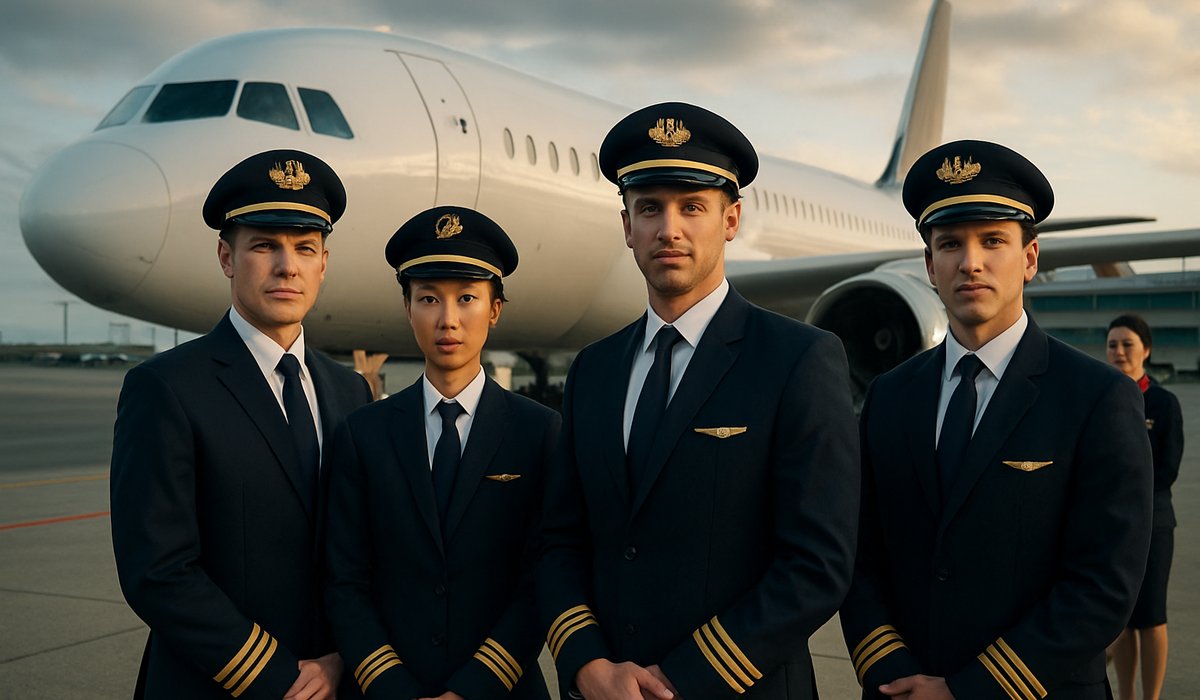
Image generated by AI
Military Pilot Compensation Crisis: US, UK, Japan, and China Face Recruitment Challenges Amid Geopolitical Tensions
As defense budgets soar globally, elite aviators remain underpaid—threatening air superiority and operational readiness
The Paradox of Modern Air Power
Three decades after the Cold War's conclusion, the United States retains unmatched aerial dominance. Yet a critical vulnerability now threatens this advantage: the inability to attract and retain qualified military pilots through competitive compensation packages. The crisis extends far beyond American air bases, as the UK, Japan, and China grapple with severe recruitment shortages that are leaving fighter squadrons critically understaffed despite aggressive incentive programs and performance bonuses.
The disconnect between strategic importance and pilot remuneration has created a perfect storm. Defense establishments worldwide are competing for a shrinking talent pool as demographic shifts, particularly declining birth rates in developed nations, further constrain the recruitment pipeline. Simultaneously, the rapid integration of unmanned aircraft systems is fundamentally reshaping what military aviation demands—yet compensation structures have failed to evolve accordingly.
Global Recruitment Shortfalls Signal Systemic Weakness
Washington and Beijing face the most acute challenges. Despite substantial recruitment bonuses and special pay incentives, both superpowers report dangerously depleted pilot rosters. The United States Air Force has publicly acknowledged struggling to fill advanced combat pilot positions, while Chinese military aviation sources indicate similar pressures as the People's Liberation Army Air Force expands its operational commitments across the Indo-Pacific region.
The UK Royal Air Force and Japan's Self-Defense Force face comparable obstacles. Budget constraints, political scrutiny over defense spending, and comparatively lower base salaries relative to civilian commercial aviation have created a significant talent drain. Many qualified pilots are transitioning to commercial airlines where compensation packages—including substantial retirement benefits—often exceed military offerings by substantial margins.
The Commercial Aviation Alternative
The problem becomes acute when considering market realities. Commercial airline captains frequently earn 40-60% more than their military counterparts, particularly when including comprehensive benefit packages. This disparity has intensified pressure on defense ministries already managing budgetary constraints while modernizing aging aircraft fleets.
Long-Term Strategic Implications
Military leaders warn that sustained pilot shortages could compromise operational readiness during crisis scenarios. As geopolitical tensions persist—from NATO operations to China's assertive regional posture—the aviation gap threatens strategic deterrence capabilities precisely when global security environments demand peak military efficiency.
The fundamental question confronting defense establishments remains unresolved: can modern air forces maintain technological superiority without compensating the skilled professionals who operate cutting-edge combat systems?
FAQ: Military Pilot Salaries and Defense Recruitment
What are the current salary ranges for military fighter pilots in 2026? Compensation varies significantly by country and rank, with US Air Force captains earning $80,000-$120,000 annually, while UK RAF pilots typically receive £45,000-£75,000. Chinese and Japanese figures remain less transparent but generally fall below Western equivalents.
Why are military pilot recruitment numbers declining globally? Primary factors include competitive civilian airline wages, declining birth rates reducing available talent pools, budget constraints limiting incentive pay, and evolving military roles incorporating unmanned systems that reduce traditional cockpit positions.
How do military pilot salaries compare to commercial airline pilots? Commercial airline captains often earn $150,000-$250,000+ annually with premium benefits, substantially exceeding military compensation packages and driving significant talent migration to civilian aviation sectors.
Which countries face the most severe pilot shortage challenges? The United States and China report the most critical understaffing, though the UK Royal Air Force and Japan Self-Defense Force also acknowledge meaningful recruitment difficulties affecting operational capacity.
How might pilot shortages impact global air power and defense readiness? Sustained recruitment gaps could compromise tactical effectiveness, reduce operational deployment flexibility, and weaken deterrence capabilities during geopolitical crises requiring sustained aviation operations.
Related Travel Guides
Flight Delay Compensation Guide 2026
Understanding Airline Route Changes
Airport Security Process Updated (2026)
External Resources
Disclaimer
This article is for informational and educational purposes only. It does not constitute legal, financial, or professional advice. While we strive to provide accurate and up-to-date information, travel policies, regulations, and conditions change rapidly. Always verify information with official sources before making travel decisions. Nomad Lawyer makes no representations about the accuracy, reliability, completeness, or suitability of the information provided. Readers should consult qualified professionals for advice specific to their circumstances. The views expressed in this article are those of the author and do not necessarily reflect the views of Nomad Lawyer.
Preeti Gunjan
Contributor & Community Manager
A passionate traveller and community builder. Preeti helps grow the Nomad Lawyer community, fostering engagement and bringing the reader experience to life.
Learn more about our team →