
Alaska Airlines Makes Historic Transatlantic Leap with Boeing 737 MAX Narrowbody Service
Breaking airline news and aviation industry updates for 2026.

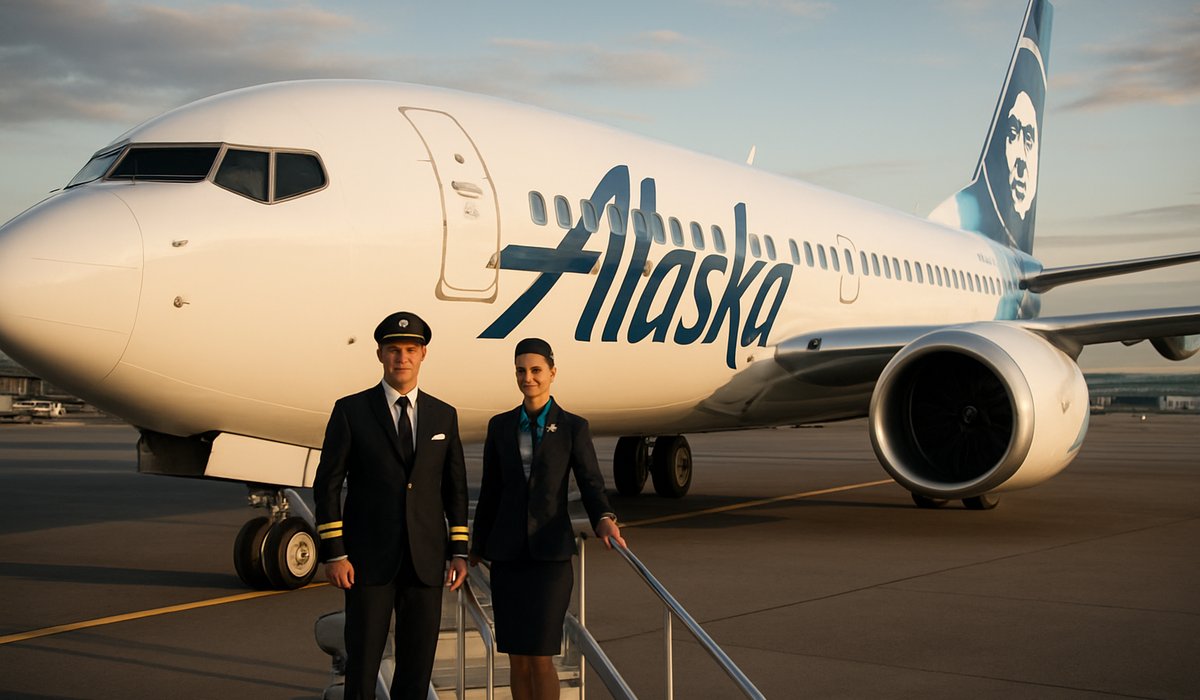
Image generated by AI
Alaska Airlines Makes Historic Transatlantic Leap with Boeing 737 MAX Narrowbody Service
The carrier becomes first to operate single-aisle aircraft on Europe routes, signaling major shift in long-haul aviation economics
Breaking New Ground in Transatlantic Operations
Alaska Airlines is poised to reshape transatlantic travel when it inaugurates its first-ever Boeing 737 MAX crossing to Europe on May 28, marking a significant milestone for the aircraft type and a bold strategic pivot in long-haul aviation. The move positions the Seattle-based carrier at the forefront of an industry-wide trend toward deploying more fuel-efficient narrowbody jets on extended international routes—a practice that challenges traditional thinking about ocean-spanning flight.
The 737 MAX Revolution Takes Flight
The decision represents more than mere novelty. Alaska Airlines' transatlantic deployment of the single-aisle 737 MAX reflects broader transformations reshaping aviation economics in an era marked by volatile jet fuel prices and mounting pressure on operational costs. Modern narrowbody aircraft, equipped with enhanced range capabilities and exceptional fuel efficiency, have fundamentally altered the calculus for carriers evaluating their long-haul strategies.
The 737 MAX's advanced avionics, superior aerodynamics, and fuel-efficient engines enable the aircraft to operate intercontinental routes previously dominated by wide-body twins. This technological leap allows Alaska Airlines to maximize revenue-per-seat potential while minimizing fuel consumption—a critical advantage in competitive transatlantic markets.
Industry Trend or Market Disruption?
While some aviation traditionalists may view narrowbody transatlantic operations as unconventional, the strategy aligns with accelerating industry practices. Air Canada and other carriers have similarly invested in next-generation narrowbody variants, including the Airbus A321XLR, specifically engineered for thin-route, long-distance operations.
This shift responds directly to several convergent pressures: sustained elevation in crude oil prices affecting jet fuel markets, increased competition on premium leisure routes to Europe, and revolutionary improvements in aircraft efficiency. Rather than deploying larger wide-body aircraft with greater seating capacity but higher fuel costs, operators like Alaska Airlines can strategically serve European destinations with nimble, profitable narrowbody configurations.
What This Means for Travelers
The implications for consumers remain nuanced. Increased capacity on popular European routes could foster price competition. However, narrowbody configurations typically offer fewer premium seating options compared to traditional wide-body aircraft, potentially affecting business-class availability on these historically premium routes.
For Alaska Airlines, the transatlantic 737 MAX service represents a competitive differentiation strategy—establishing European connectivity without the massive capital expenditure required for wide-body acquisition. The May 28 inauguration signals aviation's continuing evolution toward efficiency-driven operations that challenge conventional assumptions about aircraft utilization.
Frequently Asked Questions
What is the Boeing 737 MAX and why is it suitable for transatlantic flights? The 737 MAX is a modern, fuel-efficient narrowbody jet equipped with advanced engines and aerodynamics. Though traditionally single-aisle aircraft served shorter routes, the 737 MAX's extended range and exceptional efficiency enable safe, profitable transatlantic operations.
How do airline baggage charges relate to fuel costs and operational expenses? Rising jet fuel prices directly pressurize airline margins, often triggering increased ancillary fees including baggage charges. More efficient aircraft like the 737 MAX help offset some fuel cost burdens, but carriers typically maintain competitive baggage pricing regardless.
Are narrowbody transatlantic flights becoming industry standard? Several carriers are deploying narrowbody aircraft on long-haul international routes. Air Canada, Alaska Airlines, and others recognize this as a sustainable, profitable operational model for specific route profiles and demand patterns.
What are the advantages of 737 MAX service on European routes? Enhanced fuel efficiency reduces operational costs, allowing competitive pricing. The aircraft's reliability and modern systems provide passenger comfort on extended flights while maintaining profitable economics.
How does this impact aviation industry trends globally? This reflects the broader aviation industry's shift toward specialized, efficient aircraft tailored to specific route requirements rather than one-size-fits-all wide-body fleets.
Related Travel Guides
Flight Delay Compensation Guide 2026
Understanding Airline Route Changes
Airport Security Process Updated (2026)
External Resources
Disclaimer: Airline announcements, route changes, and fleet information reflect official corporate communications as of April 2026. Schedules, aircraft specifications, and service details remain subject to airline modifications.
Raushan Kumar
Founder & Lead Developer
Full-stack developer with 11+ years of experience and a passionate traveller. Raushan built Nomad Lawyer from the ground up with a vision to create the best travel and law experience on the web.
Learn more about our team →