
Southwest Airlines Abandons 11 International Routes in Major Strategic Pullback
Breaking airline news and aviation industry updates for 2026.

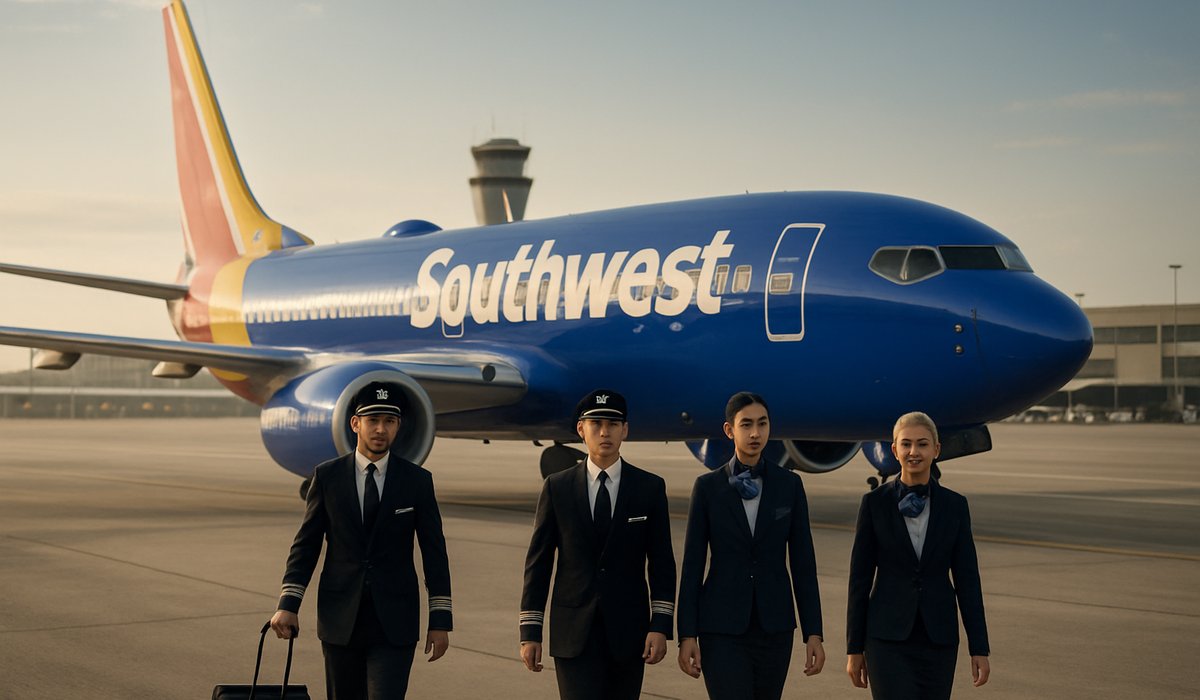
Image generated by AI
Southwest Airlines Abandons 11 International Routes in Major Strategic Pullback
The carrier scales back its decade-long overseas expansion push, signaling shifting priorities in competitive global aviation market
Carrier Exits International Markets After Limited Success
Southwest Airlines is retreating from its international operations, discontinuing service on 11 overseas routes as the Dallas-based carrier refocuses on its core domestic network. The decision marks a significant departure from the airline's expansion strategy that began in 2014, when it launched its first international flight nearly twelve years ago.
The pullback underscores mounting pressures facing legacy and low-cost carriers navigating volatile jet fuel prices, elevated labor costs, and intensifying competition on long-haul routes. Southwest's international footprint, despite serving approximately 40 million passengers over the past decade, remained a marginal component of its overall operations—representing just 2% of total traffic during the period.
Strategic Refocus on Domestic Strength
Industry analysts view the retreat as a pragmatic recalibration rather than a crisis response. Southwest built its reputation on point-to-point domestic service, where its operational model and cost structure deliver competitive advantages. International routes, by contrast, require different aircraft configurations, crew training protocols, and competitive positioning against established global carriers operating on those networks.
The elimination of these 11 routes follows years of increased scrutiny on airline profitability metrics. Rising fuel surcharges, baggage fees, and ancillary revenue pressures have forced carriers to evaluate route economics more rigorously. For Southwest, maintaining unprofitable international services became increasingly difficult as the aviation industry grapples with persistent operational challenges.
Broader Aviation Industry Implications
The decision reflects broader trends in the aviation sector, where carriers are selectively pruning underperforming international operations. Jet fuel price volatility, combined with labor agreement impacts and consumer sensitivity to ticket pricing, has prompted airlines across all categories—from budget carriers to full-service operators—to reassess their network strategies.
Southwest's exit from these international markets may create opportunities for other carriers, including American Airlines, United Airlines, and specialized low-cost transatlantic operators, to expand presence in those territories.
The affected passengers and travel partners will need alternative routing options, potentially increasing their overall travel costs and complexity. Southwest has indicated it will provide advance notice and rebooking options for affected customers.
Frequently Asked Questions
What international routes is Southwest Airlines eliminating? Southwest is discontinuing service on 11 international routes as part of its strategic contraction of overseas operations. The specific destinations have not been detailed in initial announcements, but affected routes represent less than 2% of the carrier's total passenger traffic.
Why is Southwest pulling back from international flying? International operations generated insufficient returns compared to the carrier's domestic network, where Southwest maintains operational and cost advantages. Rising jet fuel prices and competitive pressures from established global carriers made these routes economically unsustainable.
How many passengers will be affected by these route closures? While Southwest transported approximately 40 million international passengers over twelve years, the current impact will affect those booked on the 11 discontinued routes. The carrier is offering rebooking options.
Which airlines might benefit from Southwest's international retreat? Carriers like American Airlines, United Airlines, and specialized transatlantic low-cost operators may expand service to markets previously served by Southwest, potentially improving competition and capacity on those routes.
Will airline baggage fees and ticket prices increase as a result? The route eliminations themselves are unlikely to increase fares directly, but continued industry pressures—including volatile jet fuel prices and labor cost inflation—will continue influencing baggage charges and overall travel costs across the aviation sector.
Related Travel Guides
Flight Delay Compensation Guide 2026
Understanding Airline Route Changes
Airport Security Process Updated (2026)
External Resources
Disclaimer
This article is for informational and educational purposes only. It does not constitute legal, financial, or professional advice. While we strive to provide accurate and up-to-date information, travel policies, regulations, and conditions change rapidly. Always verify information with official sources before making travel decisions. Nomad Lawyer makes no representations about the accuracy, reliability, completeness, or suitability of the information provided. Readers should consult qualified professionals for advice specific to their circumstances. The views expressed in this article are those of the author and do not necessarily reflect the views of Nomad Lawyer.
Raushan Kumar
Founder & Lead Developer
Full-stack developer with 11+ years of experience and a passionate traveller. Raushan built Nomad Lawyer from the ground up with a vision to create the best travel and law experience on the web.
Learn more about our team →