
United Airlines' Polaris Business Class: Decoding the Hidden Costs of Premium 787 Travel in 2026
Breaking airline news and aviation industry updates for 2026.

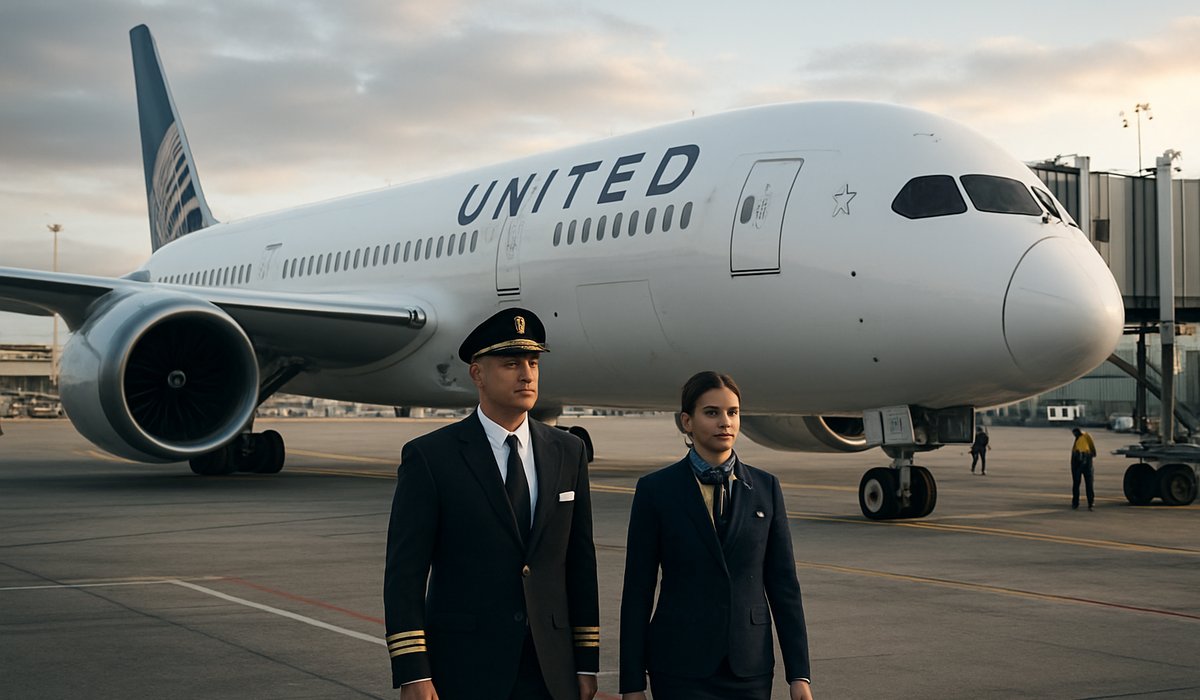
Image generated by AI
United Airlines' Polaris Business Class: Decoding the Hidden Costs of Premium 787 Travel in 2026
As major carriers adopt budget airline pricing tactics, the true expense of international business class extends far beyond advertised fares
The Premium Cabin Pricing Paradox
United Airlines' prestigious Polaris business class offering on its Boeing 787 Dreamliner fleet has emerged as a case study in modern aviation pricing complexity. What passengers see advertised as the base fare represents merely the tip of a substantially larger financial commitment, as the carrier employs sophisticated revenue-management strategies that fragment cabin pricing into multiple tiers and supplementary charges.
This evolution reflects a broader industry shift, where legacy carriers increasingly adopt the ancillary fee models pioneered by low-cost operators—a development that fundamentally reshapes how travelers must budget for premium international flights in 2026.
Breaking Down the True Cost Structure
The economics of Polaris seating extends well beyond the published ticket price. United's current pricing architecture segments business class into multiple fare families, each carrying distinct restrictions on changes, seat selection, and included amenities. Premium cabin passengers now encounter layered costs previously absorbed in the headline fare, including enhanced meal selections, premium bedding packages, and priority ground services.
The baseline Polaris ticket provides foundational access to the cabin and the brand's signature direct-aisle suites on the 787. However, passengers seeking optimal route flexibility, premium lounge access, or preferred seating configurations face additional expenditures that can substantially exceed the base fare—sometimes by 20-30 percent depending on route and travel window.
Strategic Route Pricing and Market Dynamics
Polaris pricing on the 787 varies dramatically by route, reflecting demand patterns, competitive pressure, and fuel cost fluctuations. High-demand transatlantic and transpacific corridors command premium pricing, while emerging long-haul routes display greater pricing flexibility. United's dynamic revenue management system continuously adjusts fares based on booking velocity, competitor positioning, and fuel surcharge movements.
The carrier's approach reflects industry-wide adaptation to volatile jet fuel prices and post-pandemic capacity constraints. As aviation fuel costs remain elevated compared to pre-2020 levels, carriers have distributed cost pressures across cabin classes—with premium cabins absorbing proportionally larger increases through tiered pricing structures.
The Broader Industry Implication
United's Polaris pricing strategy mirrors trends across the global aviation industry, where airlines increasingly monetize premium experiences through granular fee structures rather than simplified cabin offerings. This transformation fundamentally alters competitive dynamics, as passengers must now conduct sophisticated total-cost analysis rather than simple fare comparisons when evaluating business class options across carriers.
For frequent international travelers and corporate travel departments, understanding these hidden cost layers has become essential to managing aviation budgets effectively in an environment where the sticker price no longer reflects true out-of-pocket expenses.
FAQ: Understanding Premium Business Class Pricing
What fees typically apply beyond the base Polaris fare on United's 787? Beyond the advertised ticket price, passengers may encounter charges for seat upgrades, premium meal selections, lounge access enhancements, and change fees depending on fare class selected.
How do jet fuel prices influence business class ticket costs? Elevated fuel surcharges directly impact premium cabin pricing, with airlines passing proportionally larger cost increases to higher-yield cabin classes, making business class particularly sensitive to energy market volatility.
Can baggage charges apply to Polaris business class passengers? Most Polaris fares include generous baggage allowances, though certain restricted fare types may impose limitations; passengers should verify specific ticket terms before booking.
How much does seat selection typically cost beyond the base business class fare? Premium seat selection fees vary by route but generally range from $50-$200 per direction for optimal direct-aisle configurations on the 787 Dreamliner.
What are the key differences between United's tiered business class fares? United segments Polaris into multiple fare families with varying restrictions on changes, cancellations, and included amenities—with each tier carrying distinct economic implications for total trip cost.
Related Travel Guides
Flight Delay Compensation Guide 2026
Understanding Airline Route Changes
Airport Security Process Updated (2026)
External Resources
Disclaimer: Airline announcements, route changes, and fleet information reflect official corporate communications as of April 2026. Schedules, aircraft specifications, and service details remain subject to airline modifications.
Raushan Kumar
Founder & Lead Developer
Full-stack developer with 11+ years of experience and a passionate traveller. Raushan built Nomad Lawyer from the ground up with a vision to create the best travel and law experience on the web.
Learn more about our team →