
Southwest Airlines Launches Historic Six-Hour International Route, Signaling Expansion Into Long-Haul Markets
Breaking airline news and aviation industry updates for 2026.

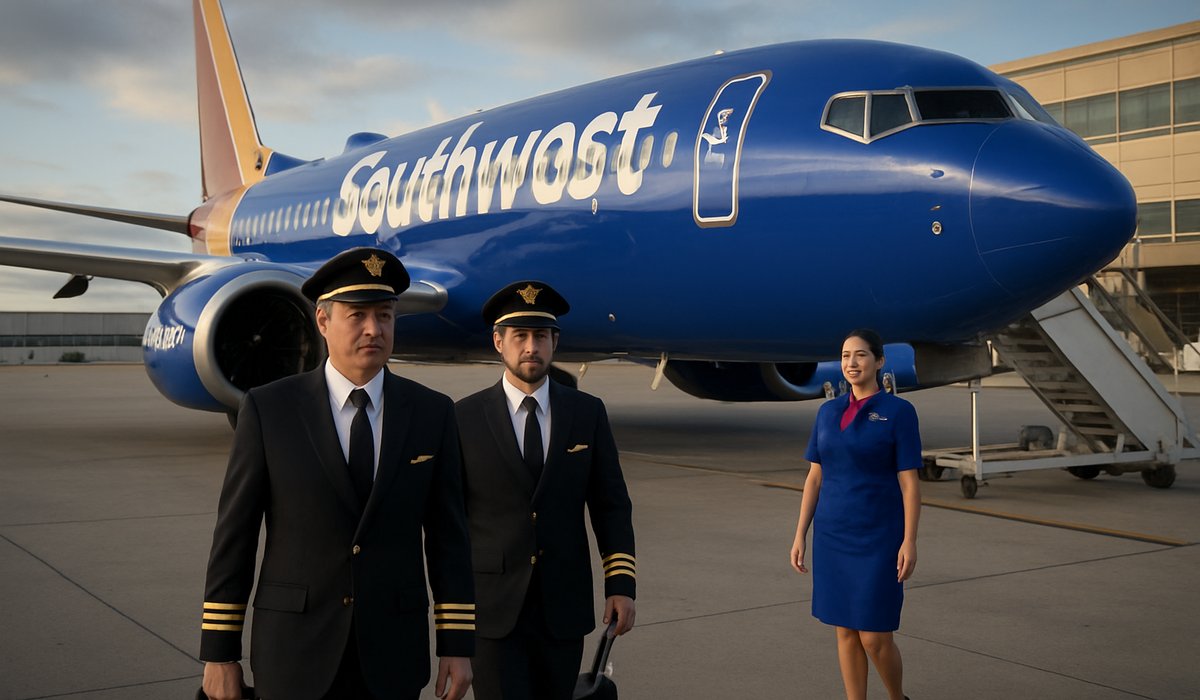
Image generated by AI
Southwest Airlines Launches Historic Six-Hour International Route, Signaling Expansion Into Long-Haul Markets
The Dallas-based carrier marks a strategic pivot with its longest overseas flight yet, reshaping the competitive landscape of transatlantic and Latin American aviation
Southwest Airlines, the United States' largest low-cost carrier by passenger volume, is preparing to debut its longest-ever international route this year, with flight times reaching approximately six hours. The move represents a significant strategic departure for the budget airline and underscores a broader industry shift toward extended-range operations among traditionally short-haul specialists.
A Watershed Moment for Southwest's International Strategy
The Texas-based carrier has long dominated domestic markets with its point-to-point model and rapid aircraft turnaround times. However, this expansion into longer international routes signals management's confidence in competing on extended-haul segments—a territory historically reserved for legacy carriers and international specialists.
The six-hour flight duration places the new route firmly in the narrow-body, long-haul category, suggesting Southwest will leverage its Boeing 737 MAX fleet to penetrate underserved international markets. This capability marks a dramatic evolution for an airline that built its reputation on short flights between major US metropolitan areas.
Industry Context: Consolidation and Route Expansion
Southwest's long-haul ambitions arrive amid intense competitive pressures within aviation. Rising jet fuel prices, post-pandemic capacity constraints, and shifting passenger demand have prompted carriers to reassess route portfolios. Airlines globally have simultaneously grappled with elevated operational costs and persistent baggage fees—critical revenue drivers in an industry where margins remain razor-thin.
The carrier's move also reflects broader consolidation trends. As legacy carriers maintain premium positioning on profitable routes and regional carriers focus on feed traffic, a cost-efficient operator with Southwest's scale can exploit geographic gaps and underserved city pairs.
What This Means for Travelers and the Competitive Landscape
The launch carries immediate implications for pricing dynamics on international routes. Southwest's entry into longer segments traditionally dominated by higher-cost operators could compress fares and increase passenger choice on affected markets. However, the airline's baggage fee structure and seat selection policies may influence the true cost comparison for budget-conscious travelers.
For the broader aviation industry, Southwest's maneuver signals that advanced narrow-body aircraft have erased previous performance limitations. Competitors may accelerate their own international expansion strategies, intensifying route competition and potentially reshaping pricing across affected corridors.
Looking Ahead
The airline's long-haul strategy represents a calculated bet on operational efficiency and market demand. Whether this proves a profitable venture—or merely a tactical response to industry headwinds—will likely influence how other carriers approach similar opportunities in coming years.
Frequently Asked Questions
What is Southwest Airlines' longest route in 2024? Southwest's new six-hour international route marks the airline's longest-ever flight, representing a strategic expansion beyond its traditional short-haul domestic focus.
Which aircraft will Southwest use for long-haul routes? The carrier is expected to deploy its Boeing 737 MAX fleet, which offers extended-range capabilities compared to earlier 737 variants.
How do airline baggage fees impact long-haul travel costs? Baggage charges, typically $30-$40 per bag on most carriers, can significantly increase total journey costs on longer international flights where passengers tend to check more luggage.
Why are airlines expanding into long-haul markets now? Rising jet fuel prices, post-pandemic capacity pressures, and competitive consolidation have prompted cost-efficient carriers to seek new revenue opportunities on underserved international routes.
Will Southwest's expansion lower international flight prices? Increased competition from a low-cost operator typically places downward pressure on fares, though final pricing depends on route demand, fuel costs, and competitor responses.
Related Travel Guides
Flight Delay Compensation Guide 2026
Understanding Airline Route Changes
Airport Security Process Updated (2026)
External Resources
Disclaimer
This article is for informational and educational purposes only. It does not constitute legal, financial, or professional advice. While we strive to provide accurate and up-to-date information, travel policies, regulations, and conditions change rapidly. Always verify information with official sources before making travel decisions. Nomad Lawyer makes no representations about the accuracy, reliability, completeness, or suitability of the information provided. Readers should consult qualified professionals for advice specific to their circumstances. The views expressed in this article are those of the author and do not necessarily reflect the views of Nomad Lawyer.
Raushan Kumar
Founder & Lead Developer
Full-stack developer with 11+ years of experience and a passionate traveller. Raushan built Nomad Lawyer from the ground up with a vision to create the best travel and law experience on the web.
Learn more about our team →