
South Korea Tourism Surplus 2026: Record Visitor Spending and Inbound Growth Surge
South Korea's tourism balance has shifted into a surplus as inbound arrivals hit 16.3 million, driven by K-culture and a transition toward high-yield independent travel.

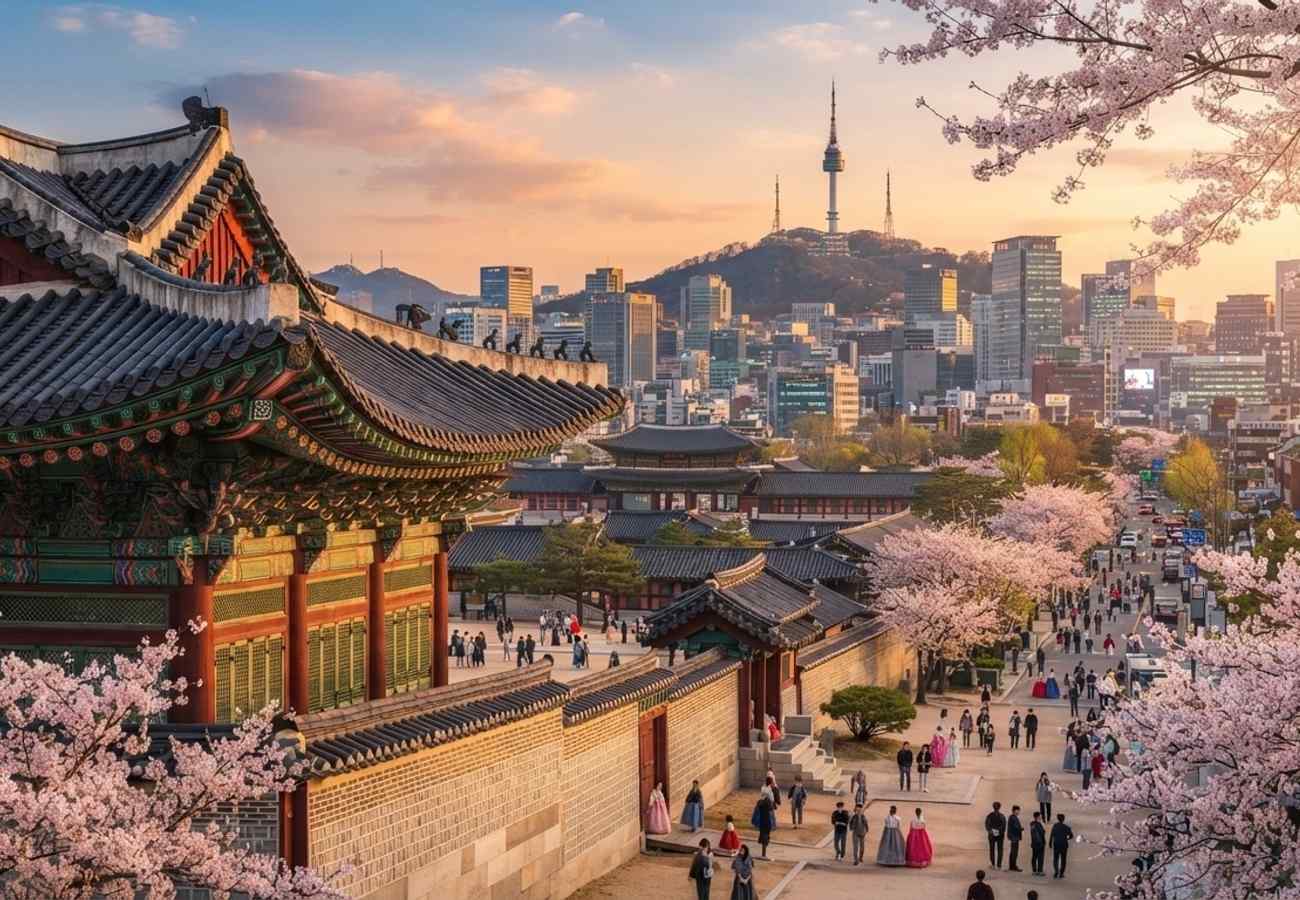
Image generated by AI
South Korea has officially reversed its pandemic-era travel deficits, shifting into a tourism surplus as inbound arrivals reached 16.3 million in 2024. This rebound is fueled by a structural shift from group package tours to high-spending independent travelers.
The Bank of Korea reports a significant turnaround in the services account tied to travel. For years, South Korea operated as a net exporter of tourists, with domestic residents spending heavily on overseas trips. Now, the tide has turned. Inbound tourism has become a primary driver of the national current account surplus, offsetting volatility in other service sectors and signaling a permanent change in how the world visits the peninsula.
The Shift to High-Yield Independent Travel
The recovery is not merely about volume; it is about the nature of the visitor. While the Korea Tourism Organization recorded 11 million international visitors in 2023 (approximately 63 percent of the 17.5 million seen in 2019), the momentum accelerated sharply in 2024. By March 2024 alone, inbound traffic hit 1.5 million travelers, nearly matching the volume of March 2019.
The most critical evolution is the decline of the traditional "shopping tour." Previously, group tours focused heavily on high-volume luxury goods and cosmetics. Today’s travelers—largely from Japan, China, the United States, Taiwan, and Vietnam—are independent explorers. They are allocating their budgets toward local dining, immersive cultural venues, and "set-jetting" to locations featured in K-dramas and films.
This shift initially caused revenue to lag behind arrival numbers, as independent travelers distribute their spending across smaller, local businesses rather than centralized duty-free hubs. However, longer lengths of stay and a higher volume of visitors have now pushed total expenditure to record highs.
Economic Strategy and the 30 Million Goal
The Ministry of Culture, Sports and Tourism is not leaving this growth to chance. Under the sixth Tourism Promotion Basic Plan and the Visit Korea Year 2023-2024 campaign, the government set an aggressive target of 20 million foreign tourists and 24 billion dollars in revenue for 2024.
The long-term horizon is even more ambitious:
- Target Arrivals (2027): 30 million international visitors.
- Target Revenue (2027): 30 billion dollars.
To achieve this, official bodies are expanding electronic travel authorizations and piloting specialized longer-stay visas for remote workers and digital nomads. There is also a concerted effort to push visitors beyond Seoul and Busan, promoting regional nature destinations and themed routes to prevent over-tourism in the capital.
Cultural Value and Environmental Impact
For the visitor, the real impact of this boom is the democratization of the Korean experience. The global dominance of K-pop and Korean cinema has transformed the country into a living museum of pop culture. However, this has created a tension between rapid growth and urban congestion.
Regional conservation bodies and tourism planners are now prioritizing "dispersed tourism." By incentivizing visits to lesser-known provinces, the government aims to support local economies that were previously overlooked by the luxury-shopping crowds. This move toward eco-tourism and regional exploration helps preserve the heritage of smaller villages while ensuring the economic benefits of the tourism surplus are felt nationwide.
Visitor Insider Tips
To navigate the current travel climate in South Korea, visitors should move beyond the primary tourist hubs:
- The "Off-Peak" Window: While spring (cherry blossoms) and autumn (foliage) are peak, visiting in late January or February offers a unique glimpse into traditional winter festivals and significantly lower hotel rates in regional cities.
- Dining Etiquette: In traditional Hansik (Korean food) restaurants, particularly in regional areas, be mindful that some smaller establishments still prefer cash or local cards; always carry a small amount of KRW for authentic street food experiences.
- Hidden Gem: Instead of the crowded Bukchon Hanok Village in Seoul, explore the traditional villages of Andong or Gyeongju for a more authentic architectural experience without the crowds.
- Digital Integration: Download the "Visit Korea" app and ensure you have a local SIM or eSIM, as most regional navigation and dining reservations are handled via platforms like Naver or Kakao.
Tourism Outlook
The trajectory suggests that South Korea will exceed its 2019 arrival peaks by 2025. As air connectivity restores routes from the Middle East and Europe, the destination is evolving from a niche cultural curiosity into a global travel powerhouse. The long-term success of this rebound depends on the government's ability to balance the 30-million-visitor goal with sustainable infrastructure and the preservation of local community integrity.
South Korea is no longer just a stopover in East Asia; it is the primary destination.
Related Travel Guides
Disclaimer
This article is for informational and educational purposes only. It does not constitute legal, financial, or professional advice. While we strive to provide accurate and up-to-date information, travel policies, regulations, and conditions change rapidly. Always verify information with official sources before making travel decisions. Nomad Lawyer makes no representations about the accuracy, reliability, completeness, or suitability of the information provided. Readers should consult qualified professionals for advice specific to their circumstances. The views expressed in this article are those of the author and do not necessarily reflect the views of Nomad Lawyer.
Kunal K Choudhary
Co-Founder & Contributor
A passionate traveller and tech enthusiast. Kunal contributes to the vision and growth of Nomad Lawyer, bringing fresh perspectives and driving the community forward.
Learn more about our team →