
USA Hobby Holidays Surge: Travelers Pivot to Passion-Driven Skill Trips in 2026
Americans are increasingly replacing traditional sightseeing with 'passion trips,' booking domestic travel around skill-building workshops in culinary arts, textiles, and fine arts.

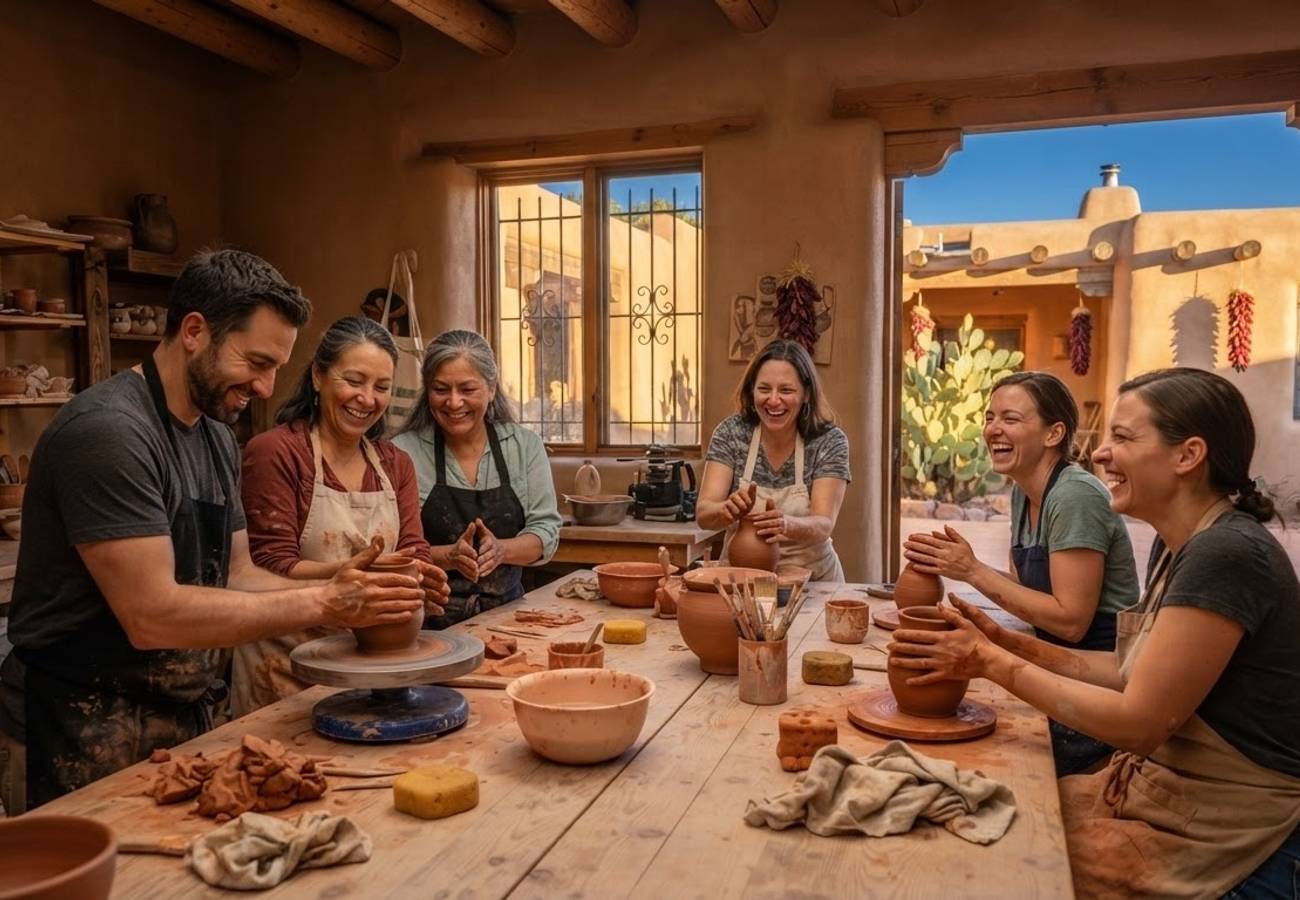
Image generated by AI
Travelers are abandoning passive sightseeing in favor of "passion trips," with over one-third of surveyed tourists now prioritizing skill-building and personal growth over traditional landmarks.
The American vacation model is undergoing a fundamental shift. Rather than centering itineraries around beaches or metropolitan monuments, a growing segment of domestic travelers is booking "hobby holidays"—trips designed specifically around the pursuit of a craft, a culinary skill, or a wellness practice.
This transition represents a move toward experiential tourism where the primary goal is not just to see a place, but to return home with a tangible new ability. From professional sourdough intensives to adobe-style painting retreats, niche tourism is evolving from a fringe preference into a mainstream market driver.
The Drivers of the Passion-Driven Travel Boom
Industry data indicates that this surge is not accidental. A convergence of three primary factors has fueled the "hobby renaissance":
- Remote Work Flexibility: The rise of location-independent work allows travelers to extend stays for multi-day workshops.
- Post-Pandemic Psychology: A renewed desire for tactile, offline activities and personal enrichment.
- Social Media Influence: Digital content is actively steering travelers away from "tourist traps" and toward specialized, authentic experiences.
Research from consumer insight firms reveals that curiosity and well-being are the primary motivators for these journeys. This shift benefits mid-sized destinations that can leverage unique cultural assets—such as regional craft traditions—to attract high-spending, engaged visitors.
Santa Fe: The Blueprint for Creative Tourism
Santa Fe, New Mexico, serves as the primary case study for this trend. Having been named a UNESCO Creative City of Crafts and Folk Art in 2005, the city is utilizing its 20th anniversary in 2025 to deepen its appeal to hobbyists.
The city has transitioned from a destination where visitors simply browse galleries to one where they "live like an artist." By packaging pottery, metalwork, and fiber arts as participatory experiences, Santa Fe has created a sustainable model for creative tourism.
The local ecosystem supports this through a mix of:
- Professional Studios: Offering jewelry, printmaking, and textile workshops.
- Interactive Installations: Sites like Meow Wolf’s House of Eternal Return provide the sensory-rich, participatory environments that modern travelers crave.
- Regional Tours: Open-studio circuits in northern New Mexico that allow guests to experiment with raku firing and blacksmithing.
Culinary Tourism: From Dining Out to Cooking In
The most aggressive growth in the hobby sector is seen in culinary travel. The shift is evident in the move from "foodie" tours (eating) to "culinary" holidays (making).
In Santa Fe, the Santa Fe School of Cooking exemplifies this by offering specialized workshops on Southwestern cuisine and green chile techniques with schedules extending through 2026. Simultaneously, Santa Fe Community College has introduced non-credit enrichment courses in tamales, rellenos, and baking fundamentals specifically targeted at visitors.
This trend is mirroring a national pattern where travelers seek "baking bootcamps" and farm-to-table intensives. The value proposition has shifted; the "souvenir" is no longer a physical object, but a repertoire of regional recipes and professional techniques.
Integration into Mainstream Itineraries
What began as a niche for enthusiasts is now being integrated into standard travel planning. Tourism boards are moving away from listing isolated classes and are instead curating "experience paths."
These curated paths link multiple touchpoints: a traveler might pair a weekend textile intensive with a visit to a folk art museum and a regional wine festival. This holistic approach increases the length of stay and the economic impact on local artisans.
Challenges of the Hobby Surge
Despite the growth, the rise of passion trips introduces specific operational pressures:
- Capacity Constraints: Small, authentic studios often struggle to scale without losing the intimacy that attracts the traveler.
- Local Accessibility: There is a growing need to ensure that high-demand workshops remain available to residents, not just tourists.
- Cultural Sensitivity: Balancing the commercialization of traditional crafts with the preservation of their cultural integrity.
Summary of Hobby Travel Trends
| Focus Area | Traditional Approach | Hobby Holiday Approach | Key Outcome |
|---|---|---|---|
| Arts | Gallery Browsing | Studio Apprenticeships | Finished Artwork/Skill |
| Culinary | Restaurant Dining | Cooking Bootcamps | Recipe Mastery |
| Culture | Museum Tours | Artisan Exchanges | Cultural Fluency |
| Wellness | Spa Day | Mindful Eating/Herbalism | Lifestyle Change |
Key Takeaways
- Skill over Sightseeing: Over 33% of travelers now express interest in niche, skill-based travel.
- Economic Shift: Mid-sized cities are leveraging "Creative City" statuses to attract passion-driven tourists.
- Educational Hybrid: Community colleges and private studios are now acting as primary tourism anchors.
- Tangible Value: The primary driver is "Information Gain"—returning from a trip with a new, usable skill.
FAQ
What exactly is a "hobby holiday"? A hobby holiday is a trip planned specifically around learning or practicing a personal passion, such as cooking, painting, or weaving, rather than traditional sightseeing.
Where are the best places in the US for passion trips? While many cities offer these, Santa Fe, New Mexico, is a leading hub due to its UNESCO designation and dense concentration of art and culinary studios.
Are these trips expensive? Costs vary widely, ranging from short, non-credit community college classes to high-end, multi-day immersive retreats.
The future of travel is no longer about where you go, but who you become by the time you return home.
Related Travel Guides
Disclaimer
This article is for informational and educational purposes only. It does not constitute legal, financial, or professional advice. While we strive to provide accurate and up-to-date information, travel policies, regulations, and conditions change rapidly. Always verify information with official sources before making travel decisions. Nomad Lawyer makes no representations about the accuracy, reliability, completeness, or suitability of the information provided. Readers should consult qualified professionals for advice specific to their circumstances. The views expressed in this article are those of the author and do not necessarily reflect the views of Nomad Lawyer.
Raushan Kumar
Founder & Lead Developer
Full-stack developer with 11+ years of experience and a passionate traveller. Raushan built Nomad Lawyer from the ground up with a vision to create the best travel and law experience on the web.
Learn more about our team →