
Busch Gardens Tampa Bay Opens Lion and Hyena Ridge as Part of $200 Million Park Expansion in 2026
Busch Gardens Tampa Bay has launched the Lion and Hyena Ridge, a massive new habitat featuring the largest AZA-accredited lion coalition in the United States.

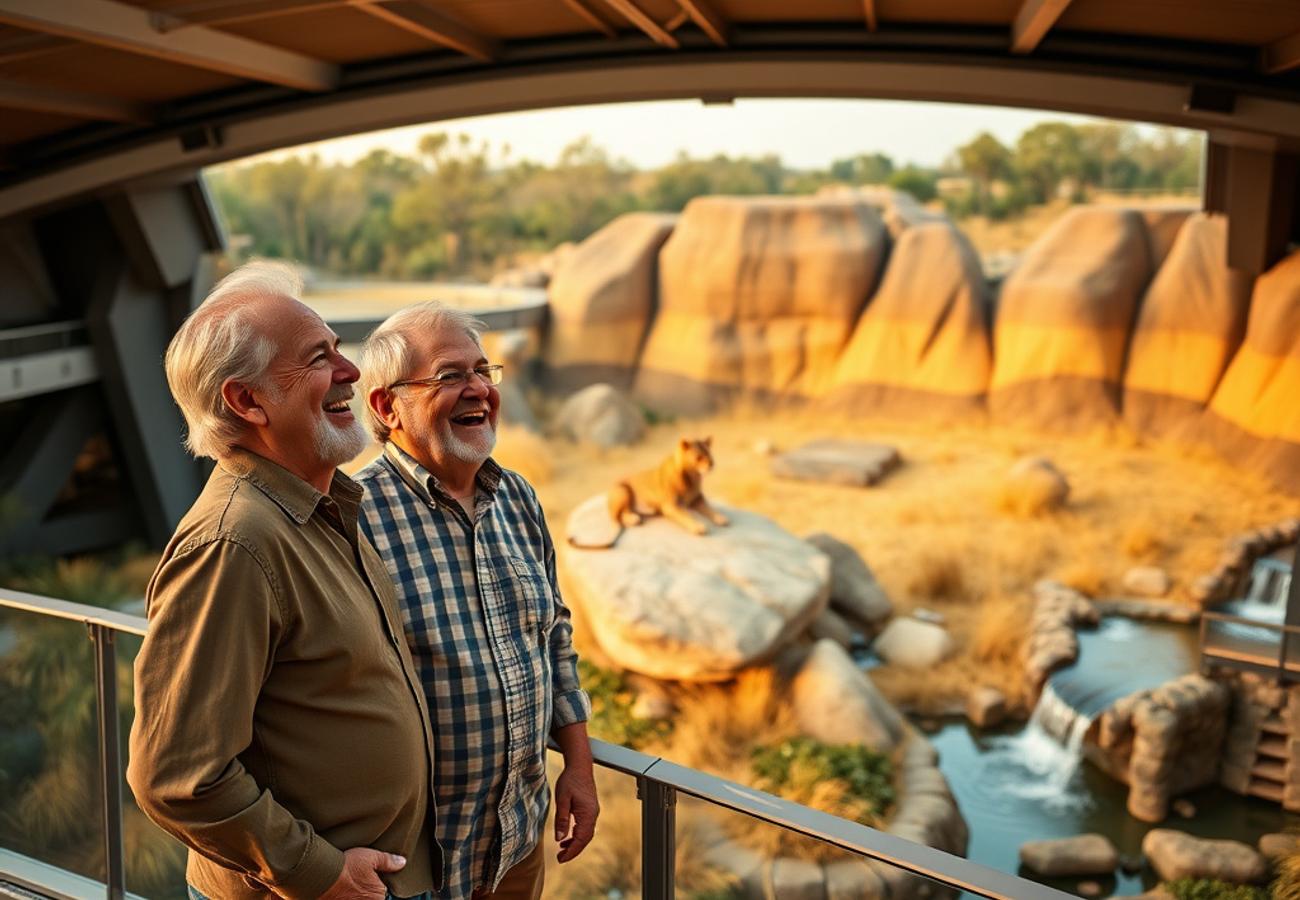
Image generated by AI
[Tampa, July 28, 2026] — Florida's tourism sector is seeing a significant shift toward experiential wildlife encounters with the official opening of the Lion and Hyena Ridge at Busch Gardens Tampa Bay. Launched on July 25, the attraction is a centerpiece of a broader $200 million, five-year master plan designed to modernize the park's infrastructure and enhance animal welfare.
The move comes as regional travel patterns evolve, with more visitors seeking educational and nature-based experiences over traditional mechanical amusement rides. Data from Visit Florida and municipal portals in the City of Tampa indicate a growing economic trend toward eco-friendly attractions that prioritize conservation and animal autonomy.
Lion and Hyena Ridge Redefines Wildlife Immersion in Tampa
The newly inaugurated Lion and Hyena Ridge spans 38,000 square feet, creating a simulated African environment for its inhabitants. According to park officials, the facility now houses the largest coalition of lions in the United States within a venue accredited by the Association of Zoos and Aquariums (AZA). In addition to the lions, the habitat features a pair of spotted hyenas.
The facility is engineered to provide high-visibility encounters through 270-degree glass viewing panels. Visitors can access the animals via suspended overhead bridges and interactive cave spaces, which provide unique angles for photography and observation. To maintain safety and psychological well-being, zoologists employ a rotational schedule. Because lions and hyenas are natural competitors, they do not occupy the space simultaneously, ensuring a stress-free environment for the animals while maintaining a dynamic experience for guests.
Strategic Investment and the $200 Million Master Plan
The development of this habitat is not an isolated project but part of a comprehensive $200 million investment strategy spanning five years. This capital injection aims to pivot the park toward "next-generation" immersive encounters. Industry reports suggest that this shift is a response to a surge in consumer demand for "edutainment"—travel that combines leisure with biological and environmental education.
The habitat incorporates advanced welfare technology to ensure the animals' health and autonomy. Key features include:
| Feature | Purpose | Benefit to Animal |
|---|---|---|
| Thermal Rocks | Temperature Regulation | Provides heated and cooled surfaces for comfort |
| Water Elements | Hydration & Stimulation | Cascading water for natural behavior |
| Climbing Structures | Physical Exercise | Allows for territorial marking and agility |
| Rotational Access | Species Management | Prevents inter-species conflict between lions and hyenas |
Industry regulators have noted that the synergy between private operators and public conservation initiatives is creating a new model for destination marketing, where responsible tourism becomes a primary driver of profitability.
Logistics and Planning for 2026 Florida Visitors
With the increased global interest in the Lion and Hyena Ridge, travel experts advise visitors to utilize the official park website for ticket procurement to avoid capacity issues during peak weekends. For those planning multiple visits, annual passes are available starting at $13 per month, providing unlimited entry and dining discounts.
Travelers are encouraged to monitor the Florida Department of Transportation’s regional portals for real-time updates on highway construction and transit schedules, as third-party blogs may contain outdated information.
Given the extreme climate of Florida in July, visitors should plan their outdoor viewing for early morning or late evening. This timing aligns with the natural activity cycles of the lions and helps guests avoid peak midday heat. Recommended gear includes weather-resistant clothing and supportive footwear to navigate the 300-acre park efficiently, especially during the frequent afternoon rain showers typical of the region.
Why This Matters: The Shift Toward Ethical Wildlife Tourism
For the modern traveler, the opening of the Lion and Hyena Ridge represents a transition in how we consume "wildlife" experiences. The ability to observe apex predators in an AZA-accredited facility removes the ethical ambiguity often associated with smaller, unregulated roadside zoos. It effectively brings the "safari" experience to the domestic market, allowing travelers to engage with African wildlife without the logistical and financial burden of transcontinental travel to Kenya or South Africa.
From a logistical standpoint, the integration of 270-degree glass and overhead bridges changes the power dynamic of the viewing experience. Rather than viewing animals from a distance behind bars, the architecture creates a sense of shared space, which increases the emotional impact of the encounter. This "information gain"—the move from passive observation to immersive interaction—is what is currently driving the growth of the Florida hospitality sector.
Furthermore, the $200 million investment signals a broader industry trend: the decline of the "mechanical ride" era. As consumers become more conscious of animal welfare and environmental impact, theme parks are forced to innovate. The success of this habitat proves that high-tech welfare (like climate-controlled rocks) can coexist with high-impact tourism.
The evolution of Tampa's tourism landscape suggests that the future of travel lies in the balance between luxury infrastructure and authentic biological connection.
Related Travel Guides
Disclaimer
This article is for informational and educational purposes only. It does not constitute legal, financial, or professional advice. While we strive to provide accurate and up-to-date information, travel policies, regulations, and conditions change rapidly. Always verify information with official sources before making travel decisions. Nomad Lawyer makes no representations about the accuracy, reliability, completeness, or suitability of the information provided. Readers should consult qualified professionals for advice specific to their circumstances. The views expressed in this article are those of the author and do not necessarily reflect the views of Nomad Lawyer.
Kunal K Choudhary
Co-Founder & Contributor
A passionate traveller and tech enthusiast. Kunal contributes to the vision and growth of Nomad Lawyer, bringing fresh perspectives and driving the community forward.
Learn more about our team →