
South Korea Pair Up With China and More as Tanzania Boosts Luxury Safari Tourism With New Ruaha Family Stay
South Korea Pair Up With China and More as Tanzania Boosts Luxury Safari Tourism With New Ruaha Family Stay

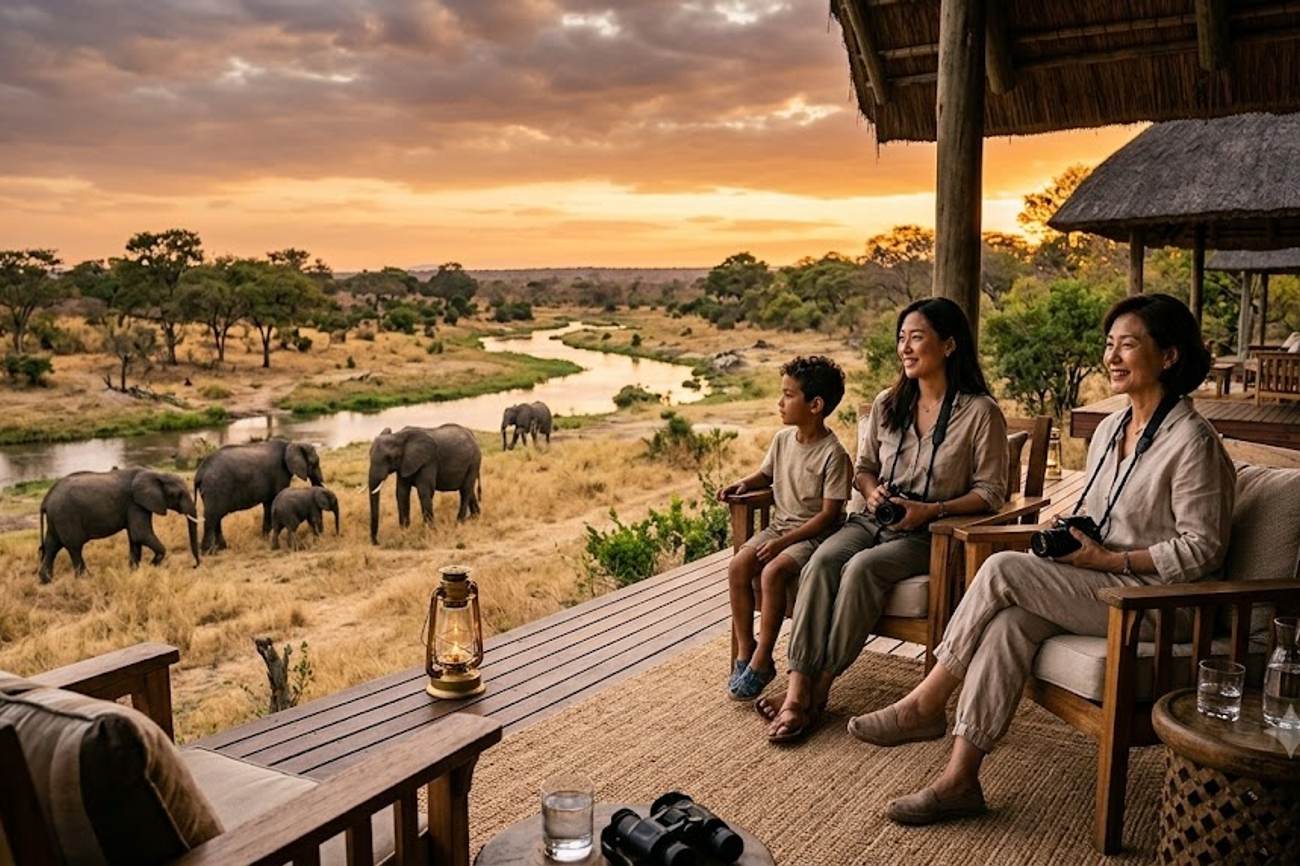
Image generated by AI
Tanzania’s luxury tourism sector is shifting its focus from high-volume arrivals to high-value yields, evidenced by the strategic expansion of family-centric premium lodging in Ruaha. While traditional safari models focused on couples or solo adventurers, the introduction of the Nane family room at Ikuka Safari Camp—a duplex unit capable of hosting up to five guests—signals a pivot toward multi-generational luxury travel. This move aligns with a broader regional trend where East African destinations are diversifying their product offerings to capture the growing appetite for "exclusive seclusion" among ultra-high-net-worth individuals (UHNWIs) from Asia and the Gulf Cooperation Council (GCC).
The Ruaha Expansion in Numbers
The launch of the Nane family room on 10 September marks a specific tactical shift in Ruaha’s hospitality inventory. By moving away from standard room configurations and introducing a duplex design, Ikuka Safari Camp is directly targeting the "family pod" travel segment. The data points associated with this expansion reveal a clear intent to increase the average length of stay (ALOS) per booking.
The Nane unit is engineered for a capacity of up to five guests, featuring a private plunge pool and panoramic views of the Mwagusi River Valley. From a market analysis perspective, increasing capacity per unit while maintaining a "private" atmosphere allows operators to capture larger group spends without increasing the physical footprint of the camp, thereby preserving the "low-density" allure that justifies premium pricing. According to data from the World Travel & Tourism Council (WTTC), the demand for nature-based luxury travel has seen a sustained climb as travelers seek "transformative" experiences over traditional sightseeing.
Comparative Market Context: The Pivot to Asia and the GCC
Tanzania is currently executing a diversification strategy to reduce reliance on traditional European and North American markets. The focus is shifting toward South Korea, China, Oman, and Qatar. This is not merely a change in marketing, but a structural change in the product. Travelers from these regions typically travel in larger family units and demand higher levels of privacy and personalized service than the average Western backpacker or mid-range tourist.
The following table illustrates the shift in target demographic requirements and how the Ruaha expansion addresses these specific market drivers:
| Target Market | Primary Travel Driver | Previous Accommodation Gap | Nane Room Solution |
|---|---|---|---|
| South Korea | Nature Photography & Immersive Nature | Lack of high-end family pods | Duplex design for multi-gen groups |
| China | Exclusive International Status | Limited "Ultra-Luxury" family options | Private plunge pool & Mwagusi views |
| Oman | Privacy & High-Comfort Seclusion | Standard room layouts | Enhanced privacy/family-centric space |
| Qatar | Personalized, High-Value Experiences | Limited flexible group lodging | 5-guest capacity in a single unit |
When comparing this to regional benchmarks, Tanzania's approach mirrors a trend seen in the Maldives and Seychelles, where "Family Villas" have replaced standard suites to capture the GCC market. By integrating these features into the Ruaha wilderness, Tanzania is attempting to replicate that high-yield success in a safari context. Data from Statista indicates that outbound travel spending from China and the GCC has shown significant resilience and growth in the luxury segment, making this a high-ROI strategic move for the Tanzania Tourist Board.
Practical Traveler Advisory and Strategic Insights
For the individual traveler, the expansion of luxury family units in Ruaha changes the booking calculus for African safaris. Traditionally, families were forced to book multiple adjacent rooms, which often fragmented the group experience and increased costs.
Actionable Booking Advice:
- Multi-Generational Planning: If you are organizing a trip for 3-5 family members, the availability of duplex units like Nane means you can now prioritize "single-unit" bookings. This typically results in a more cohesive experience and can sometimes be more cost-effective than booking three separate luxury tents.
- Off-the-Beaten-Path Routing: Ruaha is positioned as an alternative to the more crowded Serengeti or Ngorongoro Crater. Travelers seeking "exclusive seclusion" should shift their itineraries toward Ruaha to avoid the peak-season congestion found in northern circuits.
- Booking Windows: Given the limited number of high-capacity luxury units (like the Nane room), booking windows for family travel in Tanzania have tightened. For Q3 and Q4 travel, a lead time of 6-9 months is now recommended for these specific high-demand, low-inventory units.
- Market-Specific Packages: Travelers from South Korea and China should look for "photography-centric" or "personalized" itineraries, as the current infrastructure in Ruaha is being optimized specifically for these interests.
Tanzania is expanding its luxury safari offerings in the Ruaha region to attract high-net-worth travelers from South Korea and China. Visitors can coordinate their entry requirements and visa applications through the Tanzania Immigration Services Department to ensure seamless access to these remote wilderness destinations.
Forward Projection: The "Boutique-ification" of the Safari
The trajectory of Tanzania’s tourism suggests a move toward "boutique-ification." We are seeing a transition from large-scale lodge operations to smaller, high-impact, specialized units. The data suggests that the next 24 months will see a surge in "hyper-personalized" hospitality products across the Mwagusi River valley and beyond.
As the National Bureau of Statistics continues to track visitor expenditure patterns, we expect to see a correlation between the introduction of these family-centric luxury units and an increase in the Average Daily Rate (ADR) across the Ruaha region. The goal is not more tourists, but higher-spending tourists. This shift is essential for sustainable conservation; fewer guests paying higher premiums reduces the environmental pressure on the wilderness while maintaining or increasing the economic inflow to the local community.
The integration of private amenities (plunge pools, duplex layouts) within remote wilderness settings is a signal that the "glamping" era is evolving into a "remote luxury" era. We can expect other camps in the Ruaha circuit to follow Ikuka’s lead, leading to a regional cluster of high-end family estates that will make Ruaha a primary competitor to the more established luxury hubs in Kenya and Botswana.
FAQ: Tanzania Luxury Safari Trends 2024-2025
Will the increase in luxury accommodation lead to higher prices? Yes. The shift toward high-value, low-volume tourism typically drives up the Average Daily Rate (ADR). However, for families, the cost per person may stabilize as larger, shared luxury units replace the need for multiple individual rooms.
Is Ruaha a viable alternative to the Serengeti for families? Absolutely. Ruaha offers a less crowded experience and, with the addition of family-centric luxury units like Nane, it now provides the infrastructure necessary to support multi-generational travel without sacrificing comfort or privacy.
Which markets are currently driving this luxury expansion? The primary drivers are currently South Korea, China, and the GCC countries (specifically Oman and Qatar). These markets prioritize privacy, family-group travel, and high-end personalized service.
When is the best time to book these new luxury family units? Due to the limited inventory of duplex family rooms, it is advisable to book 6 to 9 months in advance, especially for peak wildlife viewing seasons.
The shift from volume to value in Ruaha is not just a hospitality upgrade—it is a strategic repositioning of Tanzania in the global luxury market.
Tags: Ruaha-Luxury-Growth-2024, Ikuka-Safari-Camp, Tanzania-GCC-Market-Shift, Multi-Generational-Safari-Trends, Mwagusi-River-Valley-Tourism
Related Travel Guides
- Beck Hole Yorkshire Becomes Autumn Travel Gem as Hikers Discover Historic Riverside Pub and Scenic Walks
- Nepal Unlocks New Tourism Potential as Rara Lake Welcomes More Than Twenty-Four Thousand Travellers Amid Rising Demand
- United Teams Up With American and More As Airlines Cut Flights And Prepare Travellers For Higher Holiday Airfares
Disclaimer
This article is for informational and educational purposes only. It does not constitute legal, financial, or professional advice. While we strive to provide accurate and up-to-date information, travel policies, regulations, and conditions change rapidly. Always verify information with official sources before making travel decisions. Nomad Lawyer makes no representations about the accuracy, reliability, completeness, or suitability of the information provided. Readers should consult qualified professionals for advice specific to their circumstances. The views expressed in this article are those of the author and do not necessarily reflect the views of Nomad Lawyer.
Naina Thakur
Contributor & Travel Specialist
Travel enthusiast and legal writer covering visa regulations, responsible tourism, and cultural journeys across global destinations.
Learn more about our team →