
Nepal Unlocks New Tourism Potential as Rara Lake Welcomes More Than Twenty-Four Thousand Travellers Amid Rising Demand
Nepal Unlocks New Tourism Potential as Rara Lake Welcomes More Than Twenty-Four Thousand Travellers Amid Rising Demand

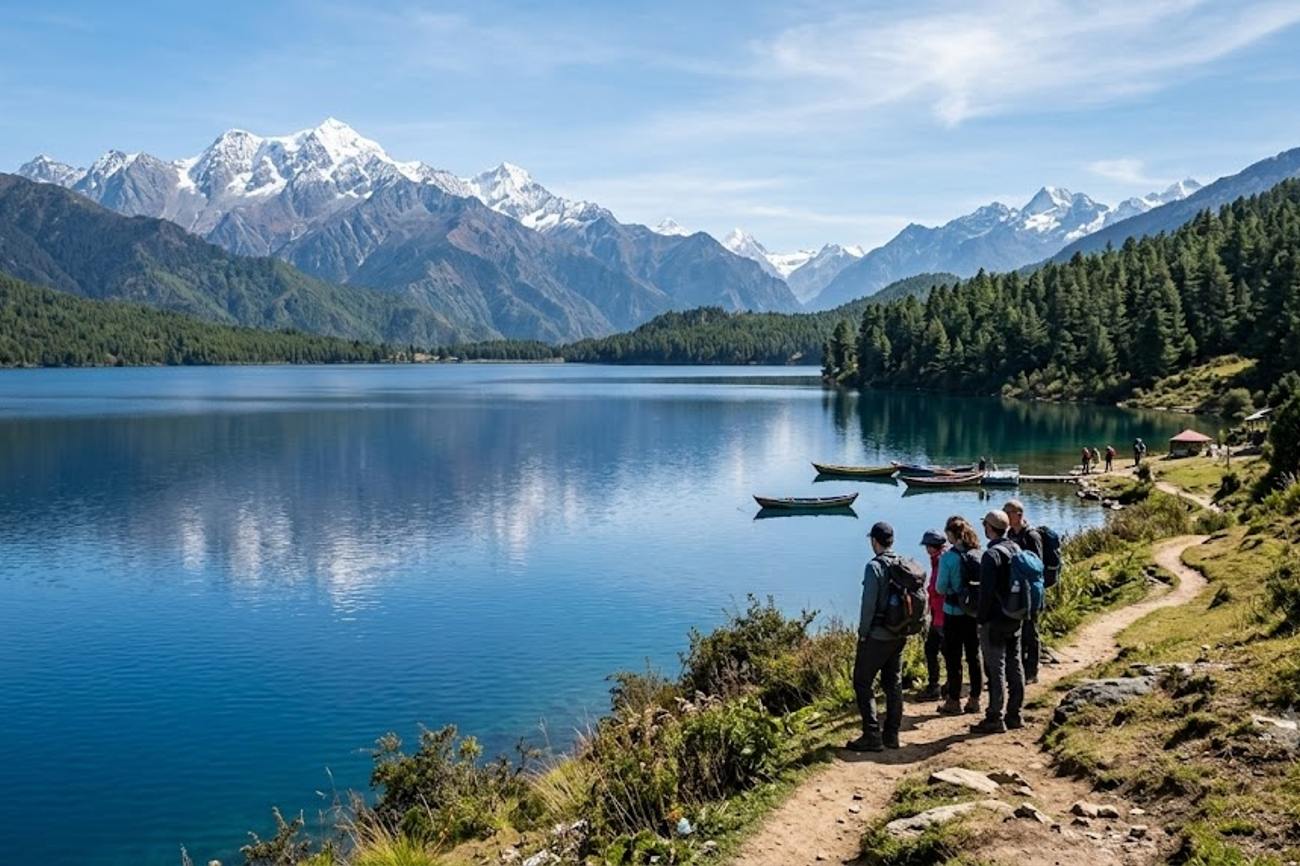
Image generated by AI
[Mugu, 2026] — Rara Lake has recorded a surge in tourism, welcoming 24,931 visitors during the most recent fiscal year as the destination gains traction as a premier eco-tourism hub in western Nepal.
The increase marks a significant recovery and growth trend for the region, which is situated within the Rara National Park on the border of the Jumla and Mugu districts. Official data from the park office indicates a shift toward nature-based, remote travel, with visitors seeking alternatives to the high-density urban centers of Kathmandu and Pokhara.
The Eco-Tourism Surge
The spike in arrivals is attributed to a growing global and domestic appetite for "slow travel" and biodiversity exploration. Rara Lake, covering 10.8 square kilometers, serves as a critical sanctuary for Himalayan flora and fauna. The destination's primary draw is its shifting water colors and the panoramic views of the Chhayanath Mountain, which have attracted a new wave of photographers and adventure travelers.
This growth is not merely numerical but represents a strategic shift in Nepal's tourism portfolio. By diversifying attractions beyond the Everest region, the Ministry of Culture, Tourism and Civil Aviation is effectively distributing economic benefits to the remote western highlands.
Visitor Demographics and Market Share
The vast majority of the growth is driven by the domestic market, though international interest is beginning to climb. The breakdown of the 24,931 total visitors is as follows:
| Visitor Category | Total Count | Percentage (Approx.) |
|---|---|---|
| Nepali Nationals | 24,604 | 98.7% |
| SAARC Region | 126 | 0.5% |
| Global International | 201 | 0.8% |
When compared to the previous fiscal year's total of 20,191 visitors, the destination has seen a growth rate of approximately 23.5%. This trajectory suggests that while Rara remains a domestic stronghold, its visibility among international eco-tourists is expanding.
Financial Impact and Conservation Funding
The increase in foot traffic has translated directly into higher revenue for the park's conservation efforts. For the 2025/26 fiscal year, Rara National Park generated a total of Rs. 8.709 million.
The revenue stream is diversified across several categories:
- Visitor Services: Rs. 4.83 million generated from entrance fees and direct tourist activities.
- Ancillary Income: Revenue derived from firewood sales, administrative penalties, and fines.
- Boating Fees: A flat rate of Rs. 500 per person.
The park employs a specific revenue-sharing model for boating to ensure local community buy-in. Under current regulations, 20% of all boating income is retained by the national park office, while the remaining 80% is split between the boat operators and the Buffer Zone Development Committee. This ensures that the economic windfall of tourism supports the people living on the periphery of the protected area.
Practical Traveler Advisory and Strategic Insights
For those planning a trip to western Nepal, the rise in popularity brings both opportunities and logistical warnings.
Booking and Access: The destination is becoming more crowded during peak windows. Travelers should expect higher demand for limited lodging and boating services during the prime months of March, April, October, and November.
The surge in visitors to Rara Lake highlights Nepal's strategic push to diversify its tourism offerings beyond the Everest and Annapurna regions. To support this growth, the Nepal Tourism Board is focusing on enhancing infrastructure and promoting sustainable travel practices in the remote Karnali Province.
Cost Breakdown: Entry fees are tiered based on nationality:
- Nepali Citizens: Rs. 100
- SAARC Nationals: Rs. 1,500
- International Visitors: Rs. 3,000
Logistical Reality: Despite the numbers, Rara remains a "hard-to-reach" destination. Travelers must be prepared for significant infrastructure deficits. Road travel is the primary means of access, but these routes are highly susceptible to weather. During the monsoon, roads frequently become impassable due to mud and landslides; in winter, dust and extreme cold complicate transit.
Infrastructure Gaps and Future Development
The current growth rate is outpacing the region's infrastructure. Tourism stakeholders are now calling for an urgent upgrade of road connectivity to reduce the volatility of travel during the monsoon and winter seasons. Improved roads are viewed as the primary catalyst for increasing the average length of stay for international tourists, who currently face grueling transit times.
Beyond transport, there is a push for the development of cultural and educational infrastructure. Proposals include the construction of a dedicated regional museum. Such a facility would serve as a hub for biodiversity education and a repository for the cultural heritage of the Mugu and Jumla districts, transforming the lake from a scenic stopover into a comprehensive educational destination.
FAQ: Rara Lake Travel 2026
When is the best time to visit Rara Lake? The optimal windows are March to April and October to November. These periods offer the clearest skies and most stable weather for viewing the Himalayan range and navigating the surrounding terrain.
How do I get to Rara Lake? Most visitors travel by road through the western districts. However, travelers should be aware that road conditions are poor and can be severely impacted by seasonal weather, particularly during the monsoon.
What are the entry costs for international tourists? International visitors (non-SAARC) are charged an entry fee of Rs. 3,000. Additionally, boating on the lake costs Rs. 500 per person.
Is Rara Lake suitable for eco-tourism? Yes. The lake is situated within a National Park and is managed with a focus on biodiversity conservation and community-based revenue sharing, making it a prime spot for sustainable travel.
Remote beauty meets rising demand in the heart of the Himalayas.
Related Travel Guides
- United Teams Up With American and More As Airlines Cut Flights And Prepare Travellers For Higher Holiday Airfares
- Singapore Airlines Beats Qatar, Cathay Pacific In 2026 Airline Awards As Service Quality Drives Global Victory
- Fall Travel Escape: Southwest Michigan Gains Attention Through Niles Scream Park Return
Disclaimer
This article is for informational and educational purposes only. It does not constitute legal, financial, or professional advice. While we strive to provide accurate and up-to-date information, travel policies, regulations, and conditions change rapidly. Always verify information with official sources before making travel decisions. Nomad Lawyer makes no representations about the accuracy, reliability, completeness, or suitability of the information provided. Readers should consult qualified professionals for advice specific to their circumstances. The views expressed in this article are those of the author and do not necessarily reflect the views of Nomad Lawyer.
Naina Thakur
Contributor & Travel Specialist
Travel enthusiast and legal writer covering visa regulations, responsible tourism, and cultural journeys across global destinations.
Learn more about our team →