
South Carolina Sets New Records as Global Travelers Flood Coastal and Rural Regions, Driving Food Tourism in South Carolina and Boosting Local Economies: New Travel Alert
South Carolina food tourism hits record arrivals. Accommodation taxes of 6% to 9% fund local infrastructure, while agritourism grows at 10.9% CAGR.

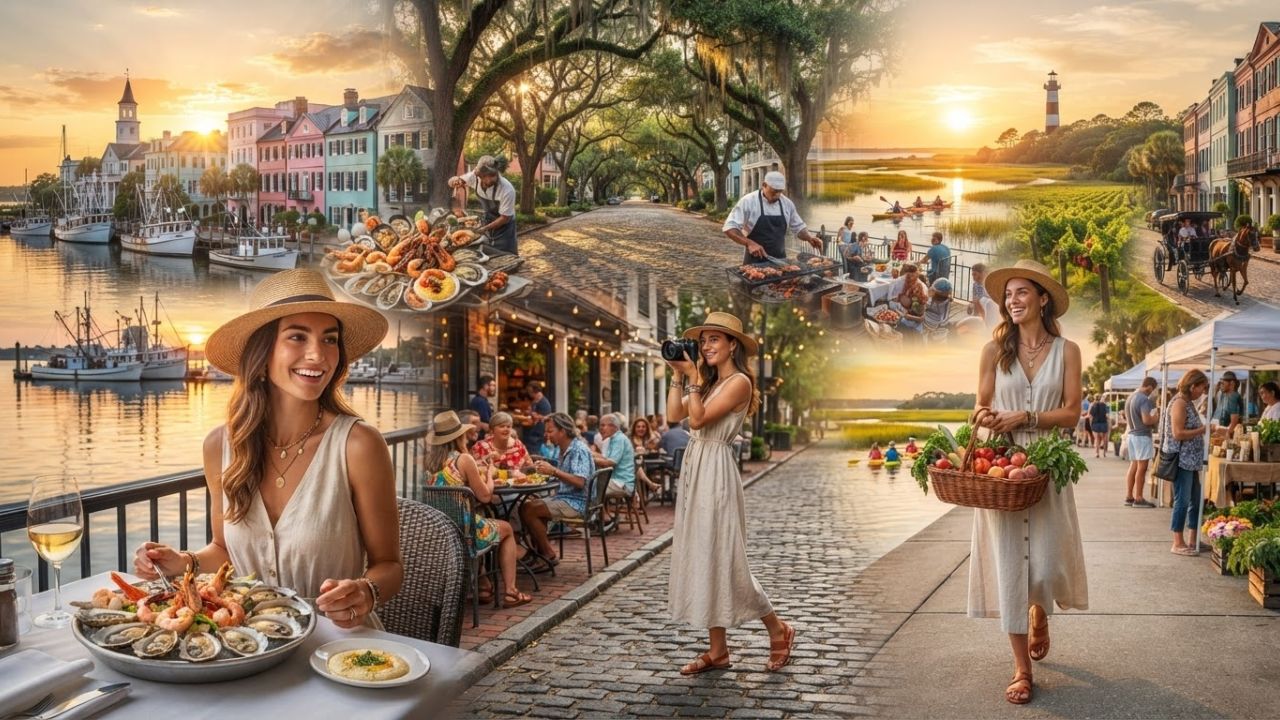
Image generated by AI
Published on July 18, 2026
Sensational new data reveals that travelers are flooding the Palmetto State in record-breaking numbers, dramatically boosting food tourism in South Carolina and establishing the region as a primary culinary destination. From the historic seafood docks of Charleston and Beaufort to the slow-smoked barbecue trails of the interior counties, global food connoisseurs are planning entire vacations around local gastronomy. For food lovers and road trippers planning their next trip to the American South, here is everything you need to know about this explosive culinary migration.
Quick Summary
- Record Revenue: Local municipal and state accommodation taxes ranging from 6% to 9% are generating vital long-term infrastructure funding from overnight stays.
- Massive Agritourism Growth: Global agritourism tracking projects a 10.9% compound annual growth rate (CAGR) extending through the early 2030s, benefiting Greenville and Columbia.
- Seafood and Lowcountry Focus: Coastal hotspots like Charleston, Beaufort, and Hilton Head are seeing high demand for authentic Gullah-Geechee culinary routes and fresh catches.
- Diverse Market Cores: Domestic drive-in markets from North Carolina, Georgia, and Tennessee dominate the slow-smoked barbecue trails, while Mid-Atlantic road trippers target Myrtle Beach.
- International Expansion: Canada remains the single largest international volume source, while British and German visitors represent the highest per-capita spending.
Context and Background: The Unprecedented Rise of Food Tourism in South Carolina
The travel sector in South Carolina is experiencing a major structural shift, as gastronomy transitions from a secondary vacation activity into a primary trip driver. According to official fiscal metrics released by the South Carolina Department of Revenue (SCDOR), local and state accommodation taxes currently range from a substantial 6% to 9% depending on the specific municipality. This continuous flow of tax revenue generates critical funding for regional public spaces, parks, and roadways, enabling historic cities to preserve their architectural heritage while expanding public amenities for the rising number of global travelers.
This domestic surge is supported by post-pandemic shifts in traveler behavior. Big data mobility assessments track a clear trend where contemporary travelers pair nature-based recreation, such as coastal beach trips and inland lake visits, with deep culinary exploration. This convergence of outdoor travel and premium gastronomy means that activities like kayaking and hiking are routinely paired with dinners featuring hyper-local ingredients. Consequently, this migration directly benefits rural farming networks and coastal fishing villages that supply the hospitality industry.
Event and Incident Details: Record-Breaking Culinary Demographics
The record-breaking expansion of food tourism is fueled by several distinct visitor markets, each exhibiting specific travel and spending habits. These demographics are categorized into three core groups:
- Primary Core (Domestic Drive-In): Originating from North Carolina, Georgia, and Tennessee, these high-frequency road-trippers explore slow-smoked barbecue trails, regional food festivals, and agritourism farms. Their proximity protects their travel patterns from changing airline ticket costs.
- Secondary Core (Eastern Coastal Corridors): Travel behavior from Virginia, Maryland, and Pennsylvania is highly correlated with seafood spending. These visitors travel in larger family groups to Myrtle Beach and the Grand Strand, dining on fresh Atlantic blue crabs, oysters, and local shrimp.
- Metropolitan Outliers (High-Spend Fly-In): Affluent travelers from New York, Ohio, and Texas are redefining luxury hospitality. Characterized by longer stays, they target fine dining meccas like Charleston, spending on boutique hotels, curated food tours, and upscale cocktail lounges.
On the international front, Canada stands as the single largest volume source for regional travel, according to metrics from the National Travel and Tourism Office (NTTO). Canadian winter visitors favor welcoming family-style venues and local food markets during their multi-week stays. Conversely, travelers from the United Kingdom and Germany represent the highest per-capita spending, driven by a deep academic interest in the African and European foundations of Lowcountry cooking, Gullah-Geechee heritage, and traditional heirloom rice culture.
Risk and Impact: Navigating the Pressures of Food Tourism in South Carolina
Managing this influx requires balancing economic growth with resource conservation. Local planning boards are working to mitigate several pressure points:
- Erosion of Food Authenticity: Preventing generic culinary trends from diluting the historic integrity of traditional coastal recipes is essential.
- Seasonal Crowding: Bottlenecks in popular historic zones like Charleston and Hilton Head can strain local public utilities and parking infrastructure.
- Economic Dependency: Relying heavily on seasonal fly-in or drive-in demographics requires stabilizing hospitality employment during off-peak winter months.
- Farmland Overdevelopment: Ensuring that rural areas in the Upstate and Midlands regions remain protected from industrial expansion as agritourism grows.
Mitigating these risks allows the state to support multi-generational pitmasters, independent restaurateurs, and heritage fishermen while maintaining high service standards for residents and visitors alike.
What Authorities Are Saying: The Value of Food Image
Tourism researchers and academic specialists note that a destination's unique "food image" acts as the primary driver for long-term visitor loyalty. When travelers perceive a dining experience as genuinely authentic, their willingness to recommend the destination to others increases significantly.
Local planners emphasize that preserving the historical integrity of coastal menus has insulated these towns from global trends, creating a unique brand that cannot be replicated. This loyalty provides a stable financial baseline for local chefs and heritage fishermen. For Gullah-Geechee cultural preservation groups and local farmers, these trends represent an essential opportunity to fund historical conservation through tourist spending.
Practical Traveler Advice: Retracing South Carolina's Gastronomic Trails
For travelers planning a food-focused journey through the state during the 2026 season, travel coordinators suggest the following guidelines:
- Pre-Book Coastal Dining: Secure reservations at fine dining venues in Charleston and Beaufort well in advance, as tables fill quickly during peak seasons.
- Explore Interior Barbecue Trails: Venture into the rural counties to support independent, multi-generational roadside smokehouses.
- Incorporate Agritourism Stops: Plan interactive farm visits, craft beverage trail tours, and farm dinners in the Upstate and Midlands regions.
- Budget for Accommodation Taxes: Factor in local municipal and state accommodation taxes of 6% to 9% when estimating lodging expenses.
- Seek Out Heritage Guides: Engage with private guided culinary history walks to understand the ethnobotanical roots of Lowcountry ingredients.
Broader Context: Post-Pandemic Structural Shifts
The transition toward experience-based travel is reshuffling the global hospitality landscape. Modern travelers are moving away from traditional sightseeing, instead prioritizing direct connections to local history and food production.
Agritourism, which is projected to grow at a compound annual rate of 10.9% into the early 2030s, represents a major component of this change. In the Midlands and Upstate culinary centers of Columbia and Greenville, family farms are diversifying into craft beverage trails and tasting rooms, keeping the countryside protected from overdevelopment while providing recession-proof income for local communities.
Looking Ahead: The Future of Southern Gastronomy
As the 2026 and 2027 seasons approach, regional planners are expanding infrastructure to support agritourism and seafood logistics. This includes upgrading commercial docks, commercial seafood wholesale facilities, and regional transport links. The state is also investing in Gullah-Geechee cultural preservation initiatives and digital mapping of historic food trails, helping travelers connect with the heritage behind the dishes in immersive ways.
Conclusion: Emphasizing Preparedness and Vigilance
Retracing the culinary evolution of South Carolina offers a profound connection to Southern history, coastal ecology, and agricultural traditions. By planning itineraries early, booking accommodations in advance, and supporting sustainable local businesses, visitors can enjoy a safe and rewarding gastronomic escape. Emphasizing vigilance and environmental respect ensures that these legendary culinary landscapes will continue to welcome global travelers for generations to come.
FAQ: South Carolina Food Tourism and Culinary Travel
Why is South Carolina food tourism breaking records?
Arrivals are surging due to a global shift toward highly authentic, nature-paired culinary travel, with visitors seeking traditional barbecue and Lowcountry seafood.
What is the accommodation tax rate in South Carolina?
Municipal and state accommodation taxes range from 6% to 9%, generating vital funding for public infrastructure and historical preservation.
How fast is the agritourism sector growing?
Agritourism is projected to grow at a compound annual growth rate (CAGR) of 10.9% through the early 2030s.
Which countries are the largest international sources of food tourists?
Canada is the largest volume source of international arrivals, while the United Kingdom and Germany represent the highest per-capita spending.
What are the main culinary regions of the state?
Key regions include the Southern Coastal hubs (Charleston, Beaufort, Hilton Head), the Grand Strand (Myrtle Beach), and the Upstate and Midlands culinary epicenters (Greenville, Columbia).
Related Travel Guides
Disclaimer
This article is for informational and educational purposes only. It does not constitute legal, financial, or professional advice. While we strive to provide accurate and up-to-date information, travel policies, regulations, and conditions change rapidly. Always verify information with official sources before making travel decisions. Nomad Lawyer makes no representations about the accuracy, reliability, completeness, or suitability of the information provided. Readers should consult qualified professionals for advice specific to their circumstances. The views expressed in this article are those of the author and do not necessarily reflect the views of Nomad Lawyer.
Kunal K Choudhary
Co-Founder & Contributor
A passionate traveller and tech enthusiast. Kunal contributes to the vision and growth of Nomad Lawyer, bringing fresh perspectives and driving the community forward.
Learn more about our team →