
South Africa Welcomes 6.57 Million Tourists as US Demand Climbs Amid Visa Reforms

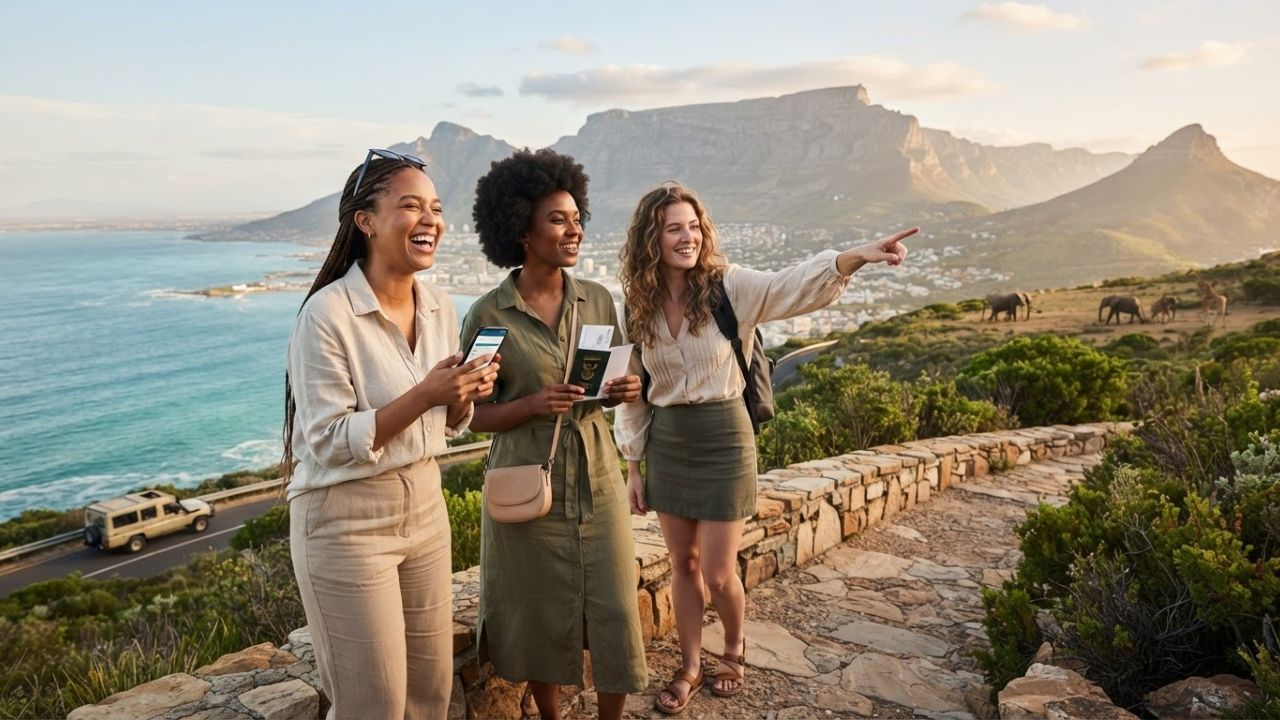
South Africa welcomed 6,576,169 international tourists between January and July 2026, marking a 12.4% increase over 2025 as American travelers cemented their position as the nation's premier overseas market with 40,566 arrivals in June alone. While long-haul interest in wildlife safaris, Cape Winelands estates, and coastal eco-adventures expanded by 5.7%, tourism authorities are fast-tracking digital Electronic Travel Authorisation (ETA) systems to resolve visa processing bottlenecks that threaten sustained expansion.
The rebound highlights strong North American appetite for diverse, high-yield safari and cultural itineraries spanning Kruger National Park, Cape Town, and Johannesburg. However, industry leaders and regional hospitality associations caution that bureaucratic visa delays and entry uncertainties risk diverting international travelers to competing long-haul destinations unless border technologies modernize at pace with consumer demand.
Official Inbound Tourism Metrics: Growth and Market Dominance
Official data released by Statistics South Africa and South African Tourism demonstrates sustained recovery across key performance indicators:
- Total Inbound Tourists (Jan–Jul 2026): 6,576,169 international arrivals, representing a 12.4% year-on-year surge compared to the same period in 2025.
- Overseas Long-Haul Expansion: Overseas arrivals from non-African markets grew by 5.7%, fueled by high-spending leisure travelers from North America and Europe.
- US Market Leadership: In June 2026, the United States ranked as South Africa’s single largest overseas source country, generating 40,566 American visitors during the month.
- Geographic Distribution: Primary tourist spending remains concentrated across Cape Town, the Greater Kruger safari region, the Western Cape Winelands, Johannesburg's cultural corridors, and coastal KwaZulu-Natal around Durban.
Visa Bottlenecks vs. Digital ETA Modernization
Despite rising traveler interest, the gap between flight demand and border access has emerged as a central challenge for South African tourism planners:
- Advance Booking Uncertainty: International safari itineraries require early commitments for luxury bush lodges, specialized game rangers, and domestic charter flights. Lengthy processing times for visa-required nationalities and regulatory confusion create booking hesitation.
- Corporate and Conference Friction: Business visitors traveling to economic summits in Johannesburg and Pretoria face rigid application windows, risking multi-million-dollar event revenues.
- The Electronic Travel Authorisation (ETA) Rollout: In response, the Department of Tourism and the Department of Home Affairs are accelerating the deployment of a digital ETA platform. The system aims to replace cumbersome paper submissions with streamlined digital pre-clearance for eligible global passport holders, mirroring global travel authorization standards.
Cultural & Environmental Value: Community Safaris and Heritage Conservation
The influx of high-value American travelers supports vital conservation ecosystems and indigenous communities:
- Community-Based Wildlife Conservancies: Private game reserves bordering Kruger National Park, such as Sabi Sand and Timbavati, partner directly with neighboring Shangaan and rural village trusts. Safari tariffs fund anti-poaching canine units, solar waterholes, and regional healthcare centers.
- Fair Trade Tourism Certification: High-end eco-lodges across the Western Cape and Eastern Cape increasingly operate under Fair Trade Tourism South Africa (FTTSA) guidelines, guaranteeing fair wages, ethical sourcing, and local staff equity.
- Urban Cultural Preservation: In Johannesburg, guided heritage walks through Soweto and the Maboneng Precinct channel international tourism dollars directly into youth art collectives, music recording studios, and local jazz venues.
Local Insider Tips for US Travelers Visiting South Africa
- Passport Blank Page Strictness: While US passport holders do not require a visa for tourist stays up to 90 days, South African immigration law strictly mandates that passports must have at least 30 days validity beyond departure and a minimum of two completely blank, unstamped visa pages. Airlines will routinely deny boarding at US gateway airports (JFK, ATL, IAD) if this requirement is not met.
- Optimal Game-Viewing Windows: If your primary objective is a Big Five safari in Kruger National Park, visit during the dry winter months (May to September). Vegetation thins out and animals gather predictably around rivers and waterholes, with virtually zero malaria risk in winter temperatures.
- Bush Etiquette on Game Drives: Wear neutral khaki, olive, or beige clothing; avoid black or dark blue shirts, which attract biting tsetse flies in wilderness areas. Keep mobile phones completely muted on game drives to avoid startling elephants and big cats.
- Savor Regional Culinary Specialties: Do not miss authentic South African cuisine: attend a traditional weekend braai (open-flame barbecue) to sample spiced boerewors sausage; order a spicy Durban bunny chow (hollowed loaf of bread filled with rich mutton curry); and sample cured biltong and dry droëwors.
- Tipping Norms: In South African restaurants, standard tipping is 10% to 15% for attentive service. For guided safari game drives, standard etiquette suggests tipping your ranger 150 to 250 ZAR per day and your tracker 100 to 150 ZAR per day.
Tourism Outlook for the Rainbow Nation
South Africa's 12.4% arrivals rebound proves the magnetic appeal of its wildlife reserves, culinary traditions, and dramatic coastlines. As the national government aligns visa policy with digital ETA infrastructure, eliminating entry friction will ensure that the vital economic engine driven by North American and overseas travelers continues to power inclusive community growth through 2027.
Related Travel Guides
Disclaimer
This article is for informational and educational purposes only. It does not constitute legal, financial, or professional advice. While we strive to provide accurate and up-to-date information, travel policies, regulations, and conditions change rapidly. Always verify information with official sources before making travel decisions. Nomad Lawyer makes no representations about the accuracy, reliability, completeness, or suitability of the information provided. Readers should consult qualified professionals for advice specific to their circumstances. The views expressed in this article are those of the author and do not necessarily reflect the views of Nomad Lawyer.
Raushan Kumar
Founder & Lead Developer
Full-stack developer with 11+ years of experience and a passionate traveller. Raushan built Nomad Lawyer from the ground up with a vision to create the best travel and law experience on the web.
Learn more about our team →