
US National Parks Waive Entrance Fees on September 17 for Constitution Day 2026

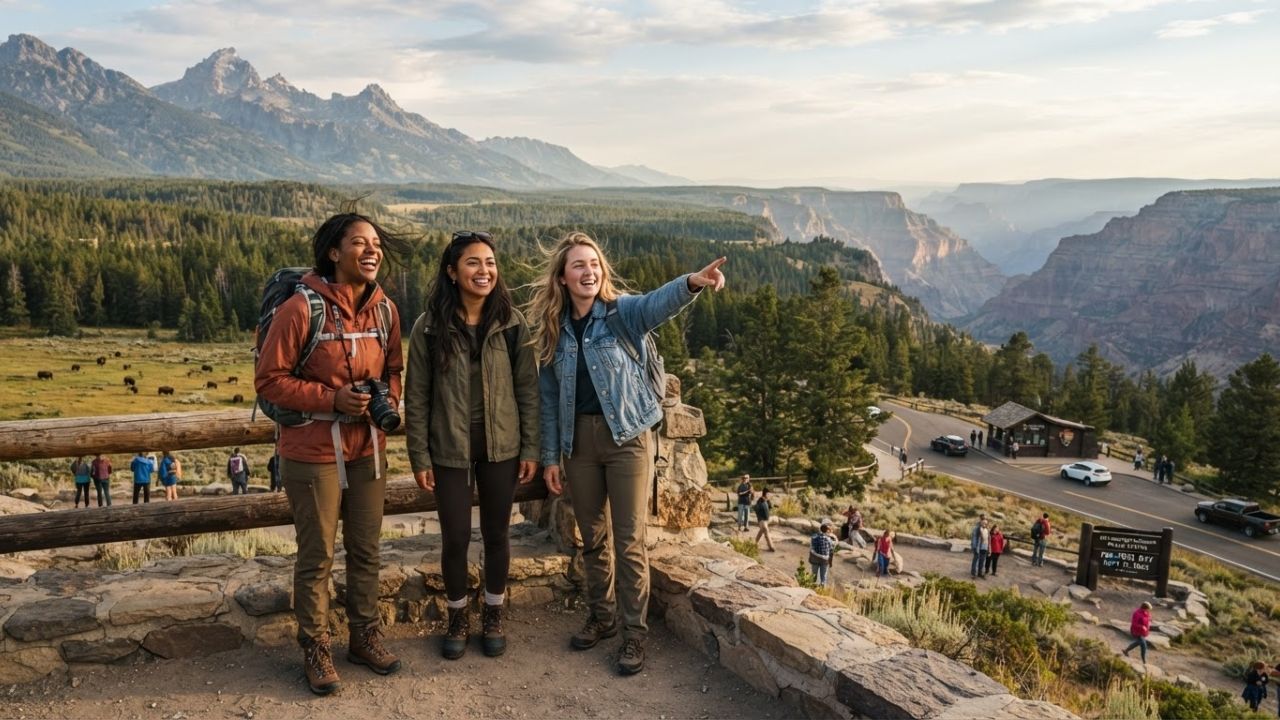
The National Park Service will waive vehicle and individual entrance fees across participating fee-charging public lands on September 17, 2026, opening iconic destinations including Yellowstone, the Grand Canyon, and Yosemite to visitors at zero admission cost in observance of Constitution Day. While the single-day fee waiver eliminates standard gate charges of up to $35 per vehicle, separate costs for camping, commercial tours, and backcountry reservations remain in effect.
The initiative forms part of the agency’s annual schedule of fee-free days designed to enhance public access to federally protected historic locations, geological wonders, and outdoor recreation corridors. Following a record-setting benchmark in 2024 when the National Park Service logged more than 331 million recreation visits, the September 17 fee holiday provides an affordable window for families and outdoor enthusiasts to experience autumn shoulder-season travel across the American wilderness.
Understanding the September 17 Fee-Free Day Framework
The entrance fee waiver applies broadly to all National Park Service (NPS) sites that normally collect entrance fees:
- Event Date: Thursday, September 17, 2026.
- National Occasion: Constitution Day.
- Governing Body: National Park Service, U.S. Department of the Interior.
- Included Benefit: Waiver of standard per-vehicle, per-person, and motorcycle entrance charges at participating fee-charging units.
- Exclusions: The waiver covers entrance admission only. It does not apply to expanded amenity fees such as developed campgrounds, backcountry permits, shuttle concessions, boat launches, or specialized ranger-guided tours.
Iconic National Parks Participating in the Admission Waiver
Because the NPS does not restrict the waiver to a localized sub-list, visitors can access the nation's premier park units free of standard gate tariffs:
| National Park | State Location | Signature Terrain and Highlights |
|---|---|---|
| Yellowstone National Park | Wyoming, Montana, Idaho | Geothermal basins, Old Faithful, Lamar Valley bison herds |
| Grand Canyon National Park | Arizona | Mile-deep chasm overlooks, South Kaibab and Bright Angel trails |
| Yosemite National Park | California | Monolithic granite cliffs (El Capitan, Half Dome), glacially carved valleys |
| Zion National Park | Utah | Narrow slot canyons, towering Navajo sandstone cliffs, Virgin River |
| Rocky Mountain National Park | Colorado | High-altitude alpine tundra, Trail Ridge Road, continental divide vistas |
| Glacier National Park | Montana | Glacial alpine lakes, Going-to-the-Sun Road, rugged backcountry peaks |
| Acadia National Park | Maine | Granite coastal headlands, carriage roads, Cadillac Mountain sunrise |
| Everglades National Park | Florida | Subtropical wetlands, sawgrass prairies, mangrove estuaries |
| Bryce Canyon National Park | Utah | The world's largest concentration of eroded limestone hoodoos |
| Grand Teton National Park | Wyoming | Jagged alpine skyline, Jenny Lake, Snake River wildlife habitats |
Visitors must note that several high-visitation parks utilize timed-entry permits or parking lot reservations to manage environmental impact. The fee waiver eliminates the entrance fee but does not override reservation mandates established on Recreation.gov.
Economic Dispersion in Gateway Communities
Fee-free days generate measurable economic ripple effects for rural communities flanking park boundaries:
- Supporting Regional Hospitality: Money saved at park entrance booths typically converts into discretionary spending in gateway towns such as Jackson (Wyoming), Springdale (Utah), Tusayan (Arizona), and Estes Park (Colorado).
- Local Dining and Retail: Independent outfitters, regional restaurants, and gear shops experience heightened demand from road-trippers stocking up on thermal layers, hiking poles, and regional groceries.
- Indigenous and Artisan Partnerships: Travelers passing through the Southwest can directly support native craft cooperatives and Navajo artisans selling authentic silverwork and pottery along Desert View Drive near the Grand Canyon.
Cultural & Environmental Stewardship: Fall Wildlife and Trail Preservation
Visiting national parks in mid-September presents unique ecological and cultural dynamics that require conscientious travel habits:
- Navigating the Autumn Elk Rut: In Yellowstone and Rocky Mountain National Parks, mid-September marks the annual elk mating season (the rut). Bull elk bugle loudly across dawn and dusk meadows. Visitors must remain at least 25 yards (23 meters) away from elk and bison, and at least 100 yards (91 meters) from bears and wolves. Never approach wildlife for selfies.
- Protecting Fragile Desert Cryptobiotic Soil: In red-rock parks like Zion and Bryce Canyon, biological soil crusts take decades to form. Travelers must stay on marked trails and durable rock surfaces; stepping off-trail destroys micro-organisms that prevent desert erosion.
- Leave No Trace (LNT) Principles: High-density visitation on fee-free days stresses park infrastructure. Carry out all trash, pack reusable water containers to utilize park hydration stations, and refrain from feeding native rodents or birds.
Local Insider Tips for Navigating the September 17 Fee-Free Day
- Beat the Midday Gate Gridlock: On fee-free days, entrance station queues at Yosemite's South Gate, Zion's Springdale entrance, and Yellowstone's West Entrance can back up for miles by 09:30 AM. Enter before 07:30 AM to secure trailhead parking and view morning wildlife, or visit after 15:30 PM for softer afternoon lighting and reduced vehicle traffic.
- Verify Timed-Entry Mandates: Double-check reservation protocols on Recreation.gov 48 hours prior. For example, Rocky Mountain National Park requires timed-entry reservations for the Bear Lake Road corridor, and Zion requires lottery permits for hikers tackling the chained section of Angels Landing.
- Experience Autumn Shoulder Transitions: Mid-September is an extraordinary time in the Rockies and Tetons, as trembling aspen groves begin turning golden yellow against snow-dusted peaks, while daytime temperatures hover in the comfortable 60s°F (15–20°C).
- Taste Regional Gateway Delicacies: Sample local food traditions in surrounding towns: order wild huckleberry pancakes in Gardiner or West Yellowstone, savor fresh Navajo fry bread near the Grand Canyon's East Entrance, or pick up fresh farmstead cider donuts near Acadia's Bar Harbor.
- Carry Mandatory Bear Spray: When hiking trails across the Greater Yellowstone Ecosystem and Glacier, carry certified EPA-approved bear spray on your hip or chest harness—never buried inside a backpack—and understand how to deploy the safety clip.
Conservation Outlook for America's Public Lands
The September 17 fee-free day highlights the dual mandate of the National Park Service: preserving pristine natural environments while keeping them accessible to all Americans. By balancing free public entry with targeted visitor management systems, the agency ensures that these foundational national sanctuaries remain preserved for future generations.
Related Travel Guides
Disclaimer
This article is for informational and educational purposes only. It does not constitute legal, financial, or professional advice. While we strive to provide accurate and up-to-date information, travel policies, regulations, and conditions change rapidly. Always verify information with official sources before making travel decisions. Nomad Lawyer makes no representations about the accuracy, reliability, completeness, or suitability of the information provided. Readers should consult qualified professionals for advice specific to their circumstances. The views expressed in this article are those of the author and do not necessarily reflect the views of Nomad Lawyer.
Raushan Kumar
Founder & Lead Developer
Full-stack developer with 11+ years of experience and a passionate traveller. Raushan built Nomad Lawyer from the ground up with a vision to create the best travel and law experience on the web.
Learn more about our team →