
Solo Female Travel in Norway 2026: Safety Statistics, Wilderness Risks, and Legal Requirements
Explore the realities of solo female travel in Norway, from industry-leading safety statistics and the 'Right to Roam' to the critical environmental hazards of the Arctic fjords.

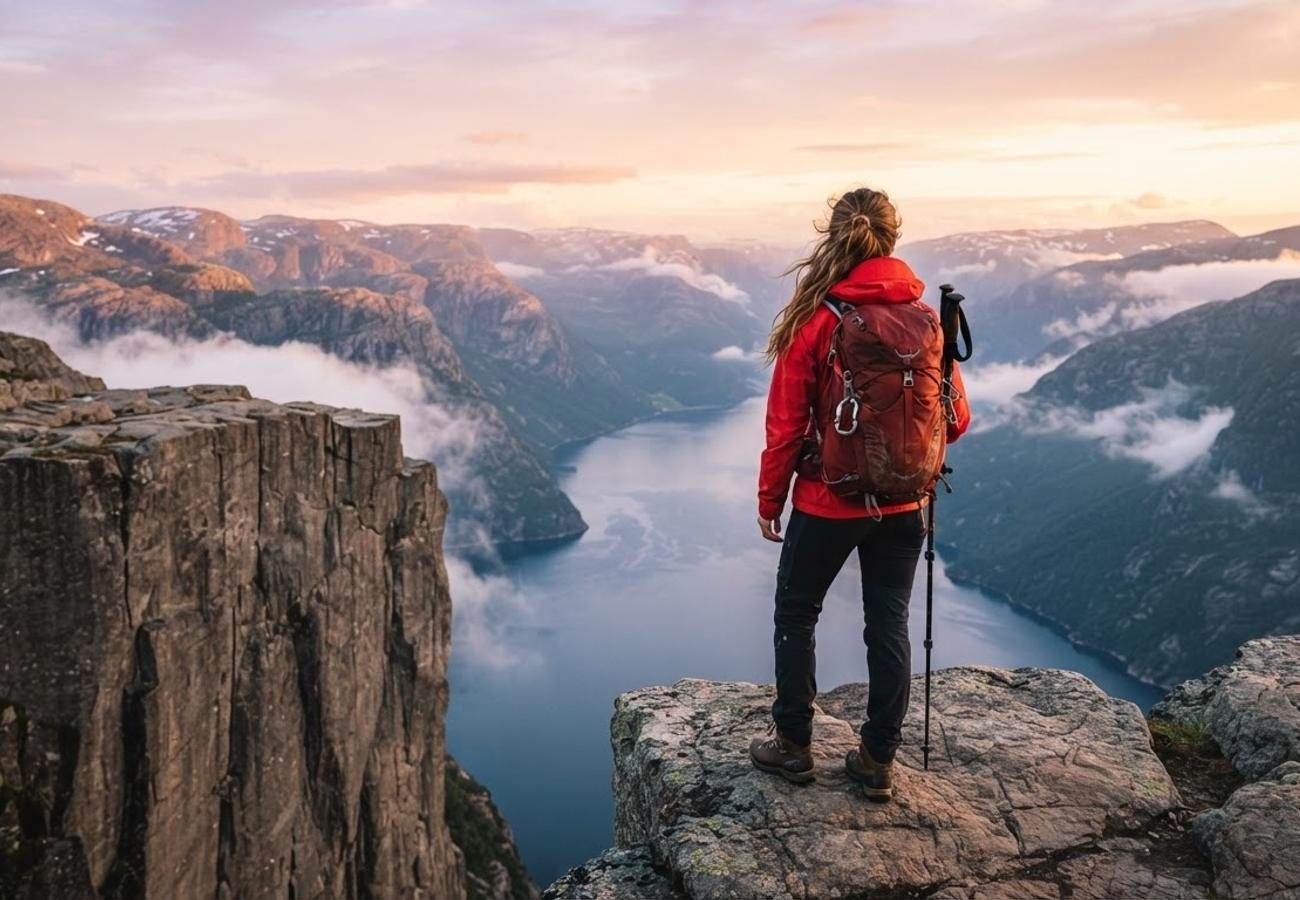
Image generated by AI
Norway remains one of the safest global destinations for independent women, yet the primary danger shifts from human threats to an unpredictable Arctic environment. While urban centers offer unparalleled security, the wild fjords demand rigorous preparation to avoid lethal environmental traps.
Urban Safety and the Scandinavian Social Contract
For women traveling independently, Norway provides a high degree of psychological and physical security. This is largely attributed to deep-seated cultural values regarding gender equality, which manifest as a near-total absence of street harassment and catcalling in major cities.
Data from Statistics Norway underscores this stability. Property theft accounts for over 34 per cent of all offenses, while violent crime remains remarkably low, staying under five per cent. However, "safe" does not mean "risk-free." Opportunistic theft remains a concern in high-traffic transit zones.
Solo travelers should exercise heightened vigilance at the following locations:
- Oslo Central Station
- Karl Johans gate
- Bergen’s Bryggen waterfront
Beyond pickpocketing, health authorities advise solo visitors to remain mindful of drink safety in crowded nightlife districts, despite the overall low crime rate.
Navigating Social Norms and the Right to Roam
The Norwegian social fabric is influenced by Janteloven, a cultural ethos emphasizing humility and the respect of personal boundaries. For the solo traveler, this ensures a high level of autonomy and privacy. While this prevents unwanted intrusions, it can occasionally result in a sense of social isolation for those seeking spontaneous interaction.
Legally, Norway is a paradise for outdoor enthusiasts due to Allemannsretten (the statutory right to roam). This law allows anyone to traverse uncultivated land and camp for up to two nights in one location, provided the camp is at least 150 metres from the nearest inhabited dwelling.
To support this freedom, the Norwegian Trekking Association manages a network of over 500 mountain cabins, providing secure shelters for those venturing into remote alpine regions.
Critical Wilderness Hazards in the Fjords and Highlands
The most significant risk to solo adventurers in Norway is the environment. In iconic locations such as Trolltunga, Preikestolen, and Kjerag, the absence of guardrails on sheer cliffs creates lethal conditions when combined with ice or mist.
Environmental threats are categorized by three primary risks:
- Meteorological Shifts: Rapid weather changes can trap hikers on mountain edges or lead to sudden Arctic storms.
- Geological Instability: Certain rural regions are prone to "quick clay" collapses following heavy rain, while alpine areas face avalanche and landslide risks during seasonal snowmelts.
- Arctic Extremes: In Northern Norway and Svalbard, the cycle of the Midnight Sun and Polar Night (late November to mid-January) disrupts circadian rhythms, leading to exhaustion and navigation errors.
Economic Impact and Tourism Infrastructure
Tourism has become a vital economic engine for remote regions like Troms, Nordland, and the Svalbard archipelago. Recent data indicates a massive scale of activity:
| Metric | Figure |
|---|---|
| Total Overnight Stays | 40.6 Million |
| Foreign Visitor Overnight Stays | 14.2 Million |
| Electronic Transaction Rate | 98% + |
| Mobile Network Coverage | 99.9% |
Despite the economic benefits, the "solo tax" is a reality. Independent travelers often face steep single supplements for vehicle rentals and accommodation. Furthermore, high visitor density in Geirangerfjord and Flåm has sparked national debates regarding visitor quotas and infrastructure taxes to protect fragile ecosystems.
Essential Legal and Digital Compliance
Norway is virtually a cashless society. Carrying physical currency is often impractical, as everything from public restrooms to rural ferries requires Chip-and-PIN or contactless payment.
Strict Regulatory Requirements:
- Alcohol: The legal Blood Alcohol Concentration (BAC) limit for drivers is 0.02 per cent. Public consumption is illegal, and high-proof spirits are sold exclusively through state-run Vinmonopolet stores.
- Drones: Pilots must register via flydrone, hold liability insurance, stay below 120 metres, and maintain a 5-kilometre distance from airports.
- Digital Logistics: The Entur platform is the gold standard for travel, integrating over 50 regional bus, train, and ferry networks into one interface.
Preparedness is the difference between a life-changing adventure and a rescue mission in the Nordic wild.
Related Travel Guides
Disclaimer
This article is for informational and educational purposes only. It does not constitute legal, financial, or professional advice. While we strive to provide accurate and up-to-date information, travel policies, regulations, and conditions change rapidly. Always verify information with official sources before making travel decisions. Nomad Lawyer makes no representations about the accuracy, reliability, completeness, or suitability of the information provided. Readers should consult qualified professionals for advice specific to their circumstances. The views expressed in this article are those of the author and do not necessarily reflect the views of Nomad Lawyer.
Kunal K Choudhary
Co-Founder & Contributor
A passionate traveller and tech enthusiast. Kunal contributes to the vision and growth of Nomad Lawyer, bringing fresh perspectives and driving the community forward.
Learn more about our team →