
Travel Nepal Trekking: New Solo Adventure Rules Transform 2026 Season
Nepal implements groundbreaking solo trekking regulations in March 2026, introducing digital permits and mandatory guide partnerships. Solo travelers gain access to expanded routes while supporting local employment in the Himalayan tourism sector.

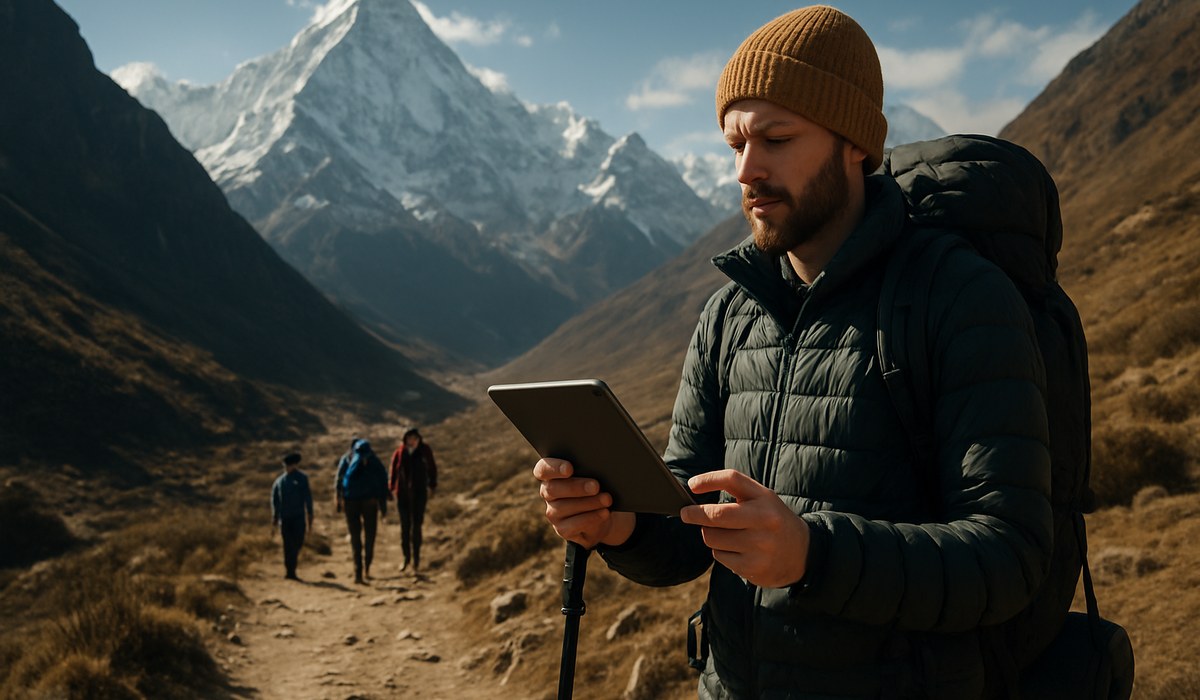
Image generated by AI
Nepal's Historic Shift: New Solo Trekking Framework for 2026
Nepal's Ministry of Tourism has unveiled transformative regulations reshaping how solo trekkers navigate the nation's iconic mountain routes. Effective March 24, 2026, the government mandates digital permit acquisition and licensed guide partnerships for independent adventurers. This policy overhaul addresses safety while creating sustainable employment for Nepalese mountain communities. The framework fundamentally redefines travel nepal trekking accessibility for individual explorers.
The regulatory shift emerged after consultations with trekking operators, local guides, and international tourism boards. Nepal recognizes solo travel demand continues rising while environmental pressures mount on popular trails. Officials designed these rules to balance adventure seekers' independence with mountain ecosystem preservation and guide community prosperity.
Digital Permits: Streamlined Technology for Modern Adventurers
Nepal's revolutionary permit system operates entirely through the Tourism Ministry's official online portal, eliminating paperwork and enabling real-time route tracking. Solo trekkers register their intended itinerary, emergency contacts, and experience level within 72 hours of departure. The digital infrastructure automatically cross-references restricted areas, altitude warnings, and seasonal advisories specific to each trail.
This technology represents a watershed moment for travel nepal trekking administration. The system assigns unique QR codes to each permit holder, verified at checkpoints throughout high-altitude regions. Trekkers receive push notifications about weather changes, rescue service availability, and local festival dates that might affect trail conditions. Processing takes approximately 4 hours after submission, with instant digital confirmation via email.
Integration with weather services and rescue coordination centers ensures real-time safety monitoring. Solo adventurers gain confidence knowing authorities can mobilize support within minutes if emergencies occur. The permit database simultaneously feeds anonymized data to conservation organizations tracking environmental impact across Nepal's trekking corridors.
Mandatory Guide Partnerships: Employment and Cultural Exchange
Licensed guides now represent mandatory companions for solo trekkers on restricted routes classified as "challenging" or "remote." This policy directly addresses tourism economic inequities affecting Nepal's mountain communities. The government mandates fair wage standards of 3,500-4,500 Nepali Rupees daily, ensuring guides benefit equitably from adventure tourism expansion.
The guide requirement transforms solo trekking into culturally enriched experiences rather than isolated mountain pursuits. Professional guides undergo certification through the Nepal Guides Association, demonstrating expertise in first aid, environmental protocols, and cultural sensitivity. Solo travelers gain authentic local knowledge unavailable through conventional tourism intermediaries.
Operators must register guides within the new Tourism Ministry database, creating transparent employment verification. This accountability framework eliminates unlicensed guide exploitation while protecting adventurers from underprepared companions. Solo trekkers book guides 14 days prior to departure through approved outfitter networks, with pricing fixed by government mandate to prevent market distortions.
Expanded Trail Access: New Routes for Experienced Solo Adventurers
Nepal unlocks previously restricted trekking corridors for certified solo travelers meeting experience prerequisites. Routes like the Makalu Circuit and Kanchenjunga Traverse now welcome independent adventurers after completing a basic mountaineering assessment. This expansion democratizes access to Nepal's most spectacular—yet historically gatekept—mountain passages.
The assessment examines altitude acclimation history, technical climbing skills, and decision-making under environmental stress. Solo travelers with documented Himalayan experience receive "Advanced Solo Status," enabling autonomous navigation of technically demanding routes. This tiered approach maintains safety standards while rewarding experienced mountaineers with genuine independence.
Newly opened corridors feature improved infrastructure: emergency shelters, communication relays, and supply caches positioned strategically along high-altitude segments. The government invested $2.3 million in trail development across ten previously inaccessible zones. Solo adventurers benefit from infrastructure investments historically reserved for commercial expedition packages, fundamentally shifting travel nepal trekking economics.
Safety Enhancements and Restricted Area Management
Nepal's rules introduce comprehensive safety protocols aligned with international mountaineering standards established by the International Federation of Mountain Guides Associations (IFMGA). Restricted areas enforce closure periods during avalanche season (January-February) and monsoon intensification (June-August), protecting solo trekkers from predictable natural hazards.
Real-time altitude monitoring through subsidized wearable devices tracks solo trekkers' physiological responses to thin air. The government distributes basic pulse oximeters and emergency communication devices at permit stations, ensuring continuous connectivity in areas previously experiencing communication blackouts. These interventions address the primary risk factors correlating with solo trekking incidents across Nepal's regions.
Rescue service protocols guarantee helicopter evacuation within four hours from most routes, funded through nominal insurance fees embedded in permit costs. Solo adventurers gain access to world-class emergency response infrastructure previously available exclusively to expensive commercial expeditions. This democratization of safety resources represents a significant advancement for independent travelers pursuing travel nepal trekking aspirations.
Trekking Regulations at a Glance
| Regulatory Element | Implementation Date | Affected Routes | Solo Traveler Impact | Guide Requirement |
|---|---|---|---|---|
| Digital Permit System | March 24, 2026 | All trails above 2,500m | Mandatory pre-trip registration | Conditional based on route difficulty |
| Guide Wage Standards | March 24, 2026 | All commercial guide zones | Transparent pricing structures | Daily rate 3,500-4,500 NPR |
| Trail Access Expansion | April 15, 2026 | Makalu, Kanchenjunga, Manaslu circuits | Requires advanced certification | Not required for certified adventurers |
| Emergency Devices | April 1, 2026 | Remote corridors above 4,000m | Free distribution at permit stations | Compatible with guide communication |
| Seasonal Closures | Ongoing annually | Avalanche and monsoon zones | Automated permit system prevents booking | Enforced through permit technology |
| Cultural Heritage Zones | May 1, 2026 | Sacred valleys and monastery regions | Required guide partnership | Mandatory licensed cultural guides |
What This Means for Solo Trekking Adventurers
Nepal's new framework directly impacts solo travelers through five actionable considerations:
-
Plan earlier: Secure permits 14 days minimum before departure, allowing sufficient guide booking windows and weather assessment periods.
-
Budget guide costs: Allocate 49,000-63,000 NPR ($370-$480 USD) for ten-day treks when mandatory guide partnerships apply, regardless of preferred route difficulty level.
-
Invest in digital literacy: Download the Tourism Ministry's mobile app before arriving. Nepal's internet infrastructure remains variable outside Kathmandu Valley, requiring offline permit access capability.
-
Pursue advanced certification: If experienced, complete the solo assessment (conducted in Kathmandu Valley over two days) to unlock autonomous routing options on premium trails like Kanchenjunga or Makalu circuits.
-
Verify insurance requirements: Confirm your travel insurance includes helicopter rescue coverage and high-altitude medical treatment, as government evacuation fees exceed $3,000 without pre-arranged coverage.
Solo travel to Nepal trekking regions has entered a professionalized era emphasizing accountability and safety. These regulations represent a mature approach balancing adventurer autonomy with environmental stewardship and guide community welfare.
Frequently Asked Questions
What's the cheapest way to start travel nepal trekking as a solo adventurer in 2026? Begin with lower-altitude treks (2,500-3,500m range) where guides remain optional. Budget approximately $45-65 daily for permits and accommodation in established gateway towns like Namche Bazaar or Pokhara. The digital permit fee costs $12 USD regardless of route difficulty.
Do solo travelers need licensed guides for every travel nepal trekking route? Licensed guides are mandatory for routes classified "challenging" or "remote"—roughly 60% of trekking corridors. Beginner-friendly trails under 4,000m elevation typically require guide partnerships only in culturally sensitive zones near monasteries or sacred valleys. Check your specific itinerary's classification through the Tourism Ministry portal.
How does the digital permit system work for solo trekkers? Register at Tourism Ministry's online portal with your intended route, dates, and emergency contacts. The system processes applications within 4 hours, issuing QR codes for checkpoint verification. You'll receive push notifications about weather, rescue availability, and local conditions throughout your trek.
Will solo tourism to Nepal become more expensive after these 2026 rule changes? Initial costs increase when mandatory guides apply, but overall infrastructure investment (shelter systems, communication relays) reduces logistical expenses in remote areas. Transparent guide pricing eliminates middleman markups previous solo trekkers encountered through informal arrangements. Competition among licensed guides naturally moderates costs within government-set wage bands.
Related Travel Guides
- Ghana Adventure Tourism 2026: Zen Palms and GAF Launch Airsports Hub
- Rakshabandhan Holiday Drives Surge in Domestic Travel, Staycations, and Transit Operations
- European Tourism Authorities Coordinate Year-Round Travel Expansion to Reduce Peak-Season Airport Congestion and Flight Scheduling Pressures across the Mediterranean
Disclaimer
Disclaimer
This article is for informational and educational purposes only. It does not constitute legal, financial, or professional advice. While we strive to provide accurate and up-to-date information, travel policies, regulations, and conditions change rapidly. Always verify information with official sources before making travel decisions. Nomad Lawyer makes no representations about the accuracy, reliability, completeness, or suitability of the information provided. Readers should consult qualified professionals for advice specific to their circumstances. The views expressed in this article are those of the author and do not necessarily reflect the views of Nomad Lawyer.
Raushan Kumar
Founder & Lead Developer
Full-stack developer with 11+ years of experience and a passionate traveller. Raushan built Nomad Lawyer from the ground up with a vision to create the best travel and law experience on the web.
Learn more about our team →