
Sofia Metro Line 3 Expansion: Three New Stations Open to Enhance Bulgaria Capital Connectivity 2026
Sofia Metro Line 3 has expanded with three new stations—General Vladimir Vazov, Bessarabia, and Georgi Asparuhov Stadium—improving transit across the Bulgarian capital.

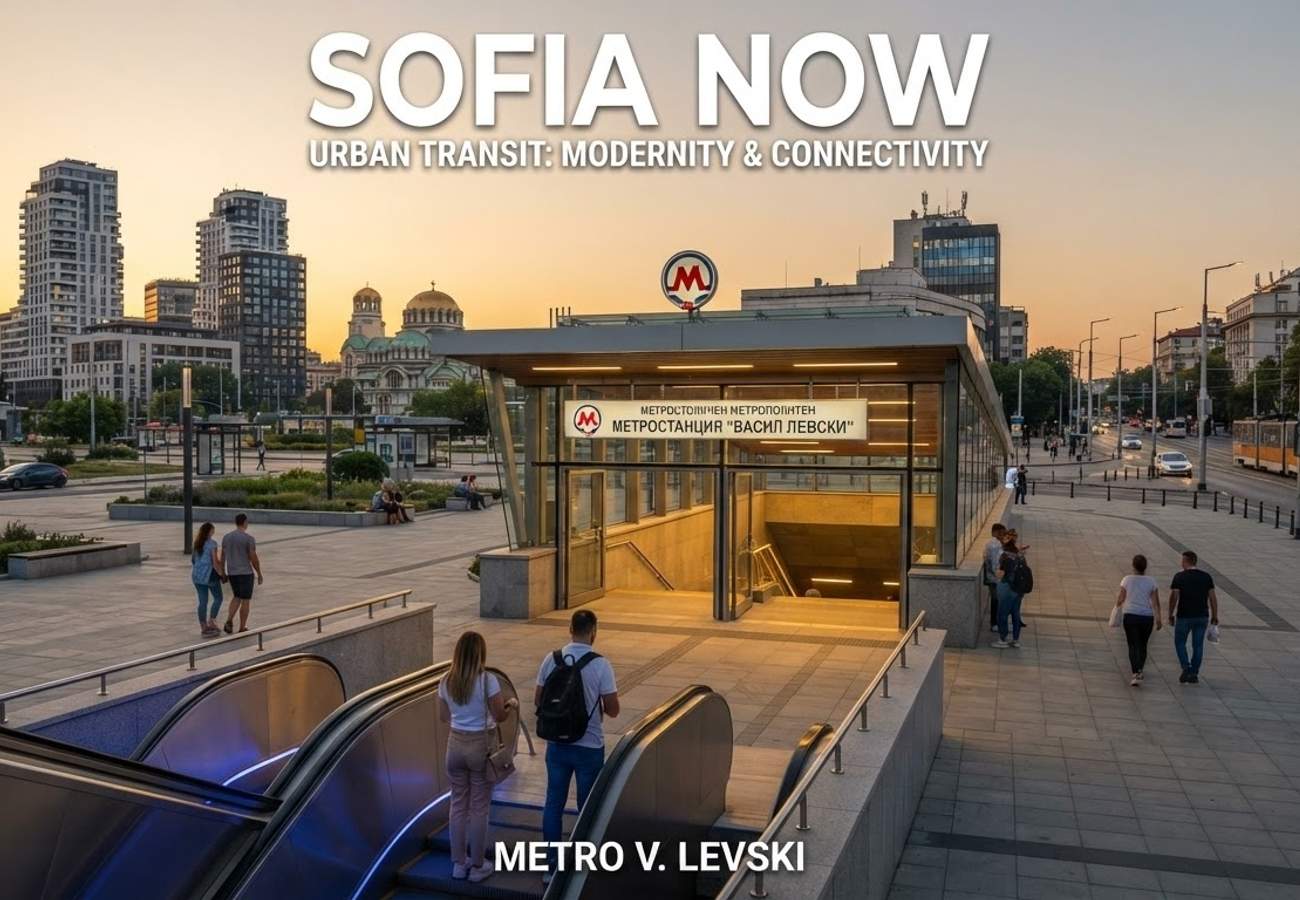
Image generated by AI
Sofia has officially expanded Metro Line 3 with the addition of three new stations, cutting transit times to the southern and northeastern sectors of the capital. The extension, which became operational on August 14, integrates key sporting and residential hubs into the rapid transit network.
The latest phase of the Sofia Metro expansion adds a three-kilometer section to Line 3, extending the reach of the network from Hadzhi Dimitar toward the Levski area. This strategic growth focuses on alleviating road congestion along Vladimir Vazov Boulevard, one of the city's primary urban arteries. By transitioning commuters from private vehicles to high-capacity rail, the city aims to modernize its mobility framework and improve the visitor experience for international tourists.
Line 3 Extension: Route and Station Specifications
The extension introduces three distinct underground hubs, each serving a specific demographic and functional purpose within the city's layout.
| Station Name | Primary Function | Key Connectivity Point |
|---|---|---|
| Georgi Asparuhov Stadium | Cultural & Sporting Hub | Georgi Asparuhov Stadium / Football District |
| Bessarabia | Residential Connectivity | Northern Sofia Neighborhoods |
| General Vladimir Vazov | Urban Gateway | Vladimir Vazov Boulevard / Levski Area |
Station Profiles and Regional Impact
Georgi Asparuhov Stadium Station This station is the architectural centerpiece of the extension. Beyond its utility as a transit stop, it serves as a tribute to Bulgarian football legend Georgi Asparuhov. The design incorporates elements reflecting the sporting heritage of the area, effectively turning a transit node into a local landmark. For travelers, this provides direct, high-volume access to major sporting events, reducing the reliance on taxis during match days.
Bessarabia Station Previously, residents and visitors in northern Sofia relied heavily on surface-level road transport. The Bessarabia station provides a rapid transit alternative, linking these outlying residential districts to the central business district and other Line 3 services. This shift is expected to reduce local traffic density and shorten commute times for those staying in non-central accommodations.
General Vladimir Vazov Station Positioned as a gateway to the Levski area, this station optimizes movement along the Vladimir Vazov Boulevard corridor. It strengthens the link between the northeastern residential zones and the broader metro system, ensuring a more fluid transition between the city's peripheral zones and its core.
Traveler Logistics Guide: Navigating the Expanded Network
From a ground-level perspective, the best way to navigate the updated Sofia Metro is to integrate the new Line 3 stops into a "hub-and-spoke" itinerary. If you are visiting for sports or cultural events, the Georgi Asparuhov Stadium station is now the primary entry point, bypassing the heavy traffic typically found around the stadium perimeter.
Connection and Payment Advice:
- Ticketing: Use official Sofia Metro kiosks or authorized digital platforms. Ensure your ticket is validated upon entry to avoid fines during random transit inspections.
- Optimal Layovers: When transferring from Line 1 or 2 to the new Line 3 extension, allow approximately 10–15 minutes for platform navigation, as some transfer tunnels in Sofia can be lengthy.
- Digital Transit: Travelers should download updated Sofia Metro maps, as legacy maps printed in hotels or tourist kiosks may not reflect the August 14 additions.
- Last-Mile Connectivity: While the metro handles the bulk of the journey, the Bessarabia and General Vladimir Vazov stations are best paired with local ride-sharing apps or walking for the final few hundred meters to specific residential addresses.
Infrastructure and Sustainability Assessment
This expansion aligns with the broader European trend of "Smart Mobility," where cities prioritize rail over road to hit carbon neutrality targets. By adding three kilometers of high-efficiency rail, Sofia reduces the carbon footprint of thousands of daily trips.
For the tourism sector, the impact is twofold: it lowers the barrier to entry for neighborhoods that were previously considered "too far" for the average tourist, and it provides a more affordable, predictable transport alternative to private hires. The integration of cultural identity—specifically the football heritage at the Asparuhov station—demonstrates a shift toward infrastructure that supports both utility and city branding.
The expansion of Line 3 signals Sofia's transition into a more connected, sustainable European capital.
Related Travel Guides
Disclaimer
This article is for informational and educational purposes only. It does not constitute legal, financial, or professional advice. While we strive to provide accurate and up-to-date information, travel policies, regulations, and conditions change rapidly. Always verify information with official sources before making travel decisions. Nomad Lawyer makes no representations about the accuracy, reliability, completeness, or suitability of the information provided. Readers should consult qualified professionals for advice specific to their circumstances. The views expressed in this article are those of the author and do not necessarily reflect the views of Nomad Lawyer.
Preeti Gunjan
Contributor & Community Manager
A passionate traveller and community builder. Preeti helps grow the Nomad Lawyer community, fostering engagement and bringing the reader experience to life.
Learn more about our team →