
São Paulo Metro Line 6, Brazil – Tunnelling and Structural Monitoring
Discover how automated wireless monitoring systems provided continuous real-time data to protect critical infrastructure during TBM excavation on São Paulo's Metro Line 6. Learn about the innovative structural monitoring solutions deployed in this complex urban tunnelling project.

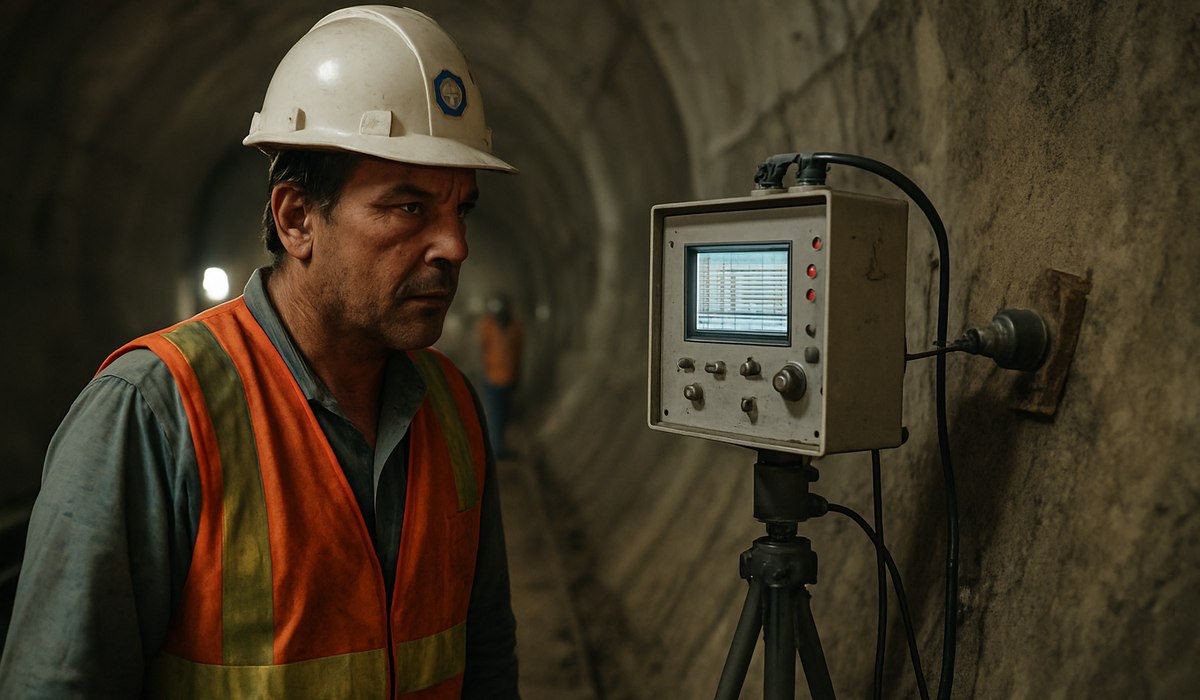
Image generated by AI
São Paulo Metro Line 6, Brazil – Tunnelling and Structural Monitoring
How Automated Wireless Monitoring Safeguarded Critical Infrastructure During Urban TBM Excavation
The construction of São Paulo Metro Line 6-Orange represents one of the most ambitious underground infrastructure projects undertaken in Latin America. Extending 15.3 kilometers through the heart of one of the world's densest metropolitan areas, this project presented unprecedented challenges in structural monitoring and risk management.
The Challenge – Tunnelling in Complex Urban Conditions
São Paulo's urban landscape presented extraordinary complexity for the Metro Line 6 project. The tunnelling operations had to navigate through densely populated zones while simultaneously protecting multiple categories of critical infrastructure:
- High-rise residential and commercial buildings within close proximity to excavation zones
- Operational metro tunnels from existing lines that could not be disrupted
- Complex viaduct systems supporting urban transportation networks
- Sensitive historical structures requiring minimal vibration and settlement
The Tunnel Boring Machine (TBM) excavation work created significant risks to these assets. Ground settlement, vibration propagation, and structural stress posed constant threats to buildings and infrastructure that could not tolerate disruption or damage.
The Solution – Real-Time Automated Wireless Monitoring
To address these multifaceted challenges, project engineers deployed an integrated automated wireless monitoring system capable of delivering continuous, real-time structural data across the entire project footprint.
Key Features of the Monitoring System:
- Wireless Data Transmission: Eliminated the need for extensive cable infrastructure in congested urban areas
- Real-Time Processing: Instantaneous data analysis enabled rapid response protocols
- Multi-Parameter Monitoring: Simultaneous measurement of settlement, vibration, tilt, and stress
- Automated Alerts: Threshold-based notifications triggered immediate investigation and corrective action
- Comprehensive Coverage: Monitoring points strategically distributed across high-rise structures, viaducts, and tunnel infrastructure
Strategic Installation and Coverage
The monitoring system was strategically installed on buildings and structures within the zone of influence of TBM excavation. Sensors were positioned to capture:
- Differential settlement at multiple levels of tall structures
- Horizontal displacement and structural tilt
- Vibration frequencies and amplitudes from tunnelling operations
- Stress variations in critical load-bearing elements
- Ground movement at tunnel crown and invert levels
Real-Time Data Management and Response Protocols
The continuous flow of real-time data from wireless sensors fed into a centralized monitoring platform that:
- Analyzed incoming data against pre-established thresholds and historical baselines
- Generated automated alerts when parameters approached critical levels
- Provided visual dashboards for project management teams and regulatory authorities
- Enabled predictive assessment of structural behavior and potential risks
- Facilitated rapid decision-making regarding TBM advance rates and methodologies
This real-time approach transformed structural monitoring from a reactive, post-event assessment activity into a proactive, continuous risk management tool.
Protection of Operational Metro Infrastructure
A particularly sensitive aspect of the project involved tunnelling near operational metro lines. The automated monitoring system continuously tracked:
- Movements of existing tunnel linings
- Settlement patterns around operational corridors
- Vibration transmission to active tracks and infrastructure
- Emergency alerts if any parameters approached safe operational limits
This capability allowed TBM operations to continue safely without disrupting the existing metro service that millions of São Paulo residents depended upon daily.
Building and Structure Protection
For the numerous high-rise buildings in close proximity to the excavation:
- Individual monitoring of each at-risk structure
- Comparison against baseline measurements established before tunnelling commenced
- Early warning systems for any unusual movement patterns
- Immediate notification of building managers and occupants if safety thresholds were approached
The system successfully prevented damage to residential and commercial properties while maintaining construction schedules.
Project Outcomes and Benefits
The implementation of automated wireless monitoring on São Paulo Metro Line 6 delivered substantial benefits:
Risk Mitigation
- Zero major incidents affecting surrounding structures
- Proactive identification and resolution of potential issues
- Compliance with stringent Brazilian regulatory requirements
Operational Efficiency
- Continuous TBM advancement without unnecessary delays
- Data-driven decision making regarding excavation parameters
- Reduced contingency planning and emergency response protocols
Stakeholder Confidence
- Transparent, real-time data available to building owners and occupants
- Regulatory authorities maintained continuous oversight
- Insurance and liability considerations fully addressed
Cost Optimization
- Prevention of expensive structural damage and remediation
- Elimination of costly project delays due to structural concerns
- Efficient resource allocation based on actual monitoring data
Technological Innovation in Urban Tunnelling
The São Paulo Metro Line 6 project exemplified how modern automated wireless monitoring systems transform urban tunnelling practices. Rather than relying on periodic manual measurements and post-event assessments, continuous real-time data streams enable:
- Predictive risk management rather than reactive emergency response
- Dynamic TBM operation adjustment based on actual ground and structural behavior
- Regulatory compliance through transparent, documented monitoring records
- Insurance and liability protection through comprehensive data documentation
Lessons for Future Urban Infrastructure Projects
The success of automated monitoring on São Paulo's Metro Line 6 provides valuable lessons for future high-density urban tunnelling projects worldwide:
- Early Implementation: Install monitoring systems before excavation begins to establish baseline conditions
- Comprehensive Coverage: Ensure monitoring encompasses all structures and infrastructure within the zone of influence
- Real-Time Capability: Prioritize systems capable of instantaneous data processing and alert generation
- Stakeholder Integration: Make monitoring data transparently available to all affected parties
- Continuous Optimization: Use real-time data to continuously refine excavation methodologies and TBM parameters
Conclusion
The São Paulo Metro Line 6 project demonstrates that modern urban tunnelling can successfully balance ambitious infrastructure development with comprehensive protection of existing structures and operations. Automated wireless monitoring systems, providing continuous real-time data, emerged as the critical technology enabling this balance.
As cities worldwide undertake increasingly complex underground infrastructure projects in densely populated environments, the São Paulo Metro Line 6 approach—combining advanced TBM technology with integrated automated monitoring—represents a best-practice model for safeguarding urban communities while advancing essential transportation infrastructure.
Frequently Asked Questions
What is TBM excavation and why does it pose risks to surrounding structures?
Answer: A Tunnel Boring Machine (TBM) is a large mechanical device that excavates tunnel by removing rock and soil. The excavation process causes ground settlement, vibration, and stress changes that can affect nearby buildings and infrastructure. In dense urban areas, these effects pose significant risks to structures that cannot tolerate movement or vibration.
How does wireless monitoring differ from traditional wired monitoring systems?
Answer: Wireless systems transmit data via radio signals rather than physical cables, eliminating the need for extensive wiring through congested urban areas. This approach is faster to install, easier to maintain, and can be deployed across a wider area more cost-effectively than traditional wired systems.
What types of sensors were used in the São Paulo Metro Line 6 monitoring system?
Answer: The system utilized multiple sensor types including settlement sensors (to measure vertical movement), tiltmeters (to measure structural angle changes), accelerometers (to measure vibrations), and strain gauges (to measure stress in structural elements).
How quickly can the monitoring system detect and alert to critical conditions?
Answer: The automated wireless system provides real-time data processing with alert generation typically within seconds of a parameter exceeding safe thresholds, enabling rapid response protocols.
Can real-time monitoring data prevent all damage to surrounding structures?
Answer: While monitoring cannot prevent all physical effects of tunnelling, it enables operators to adjust excavation methods, TBM advance rates, and support measures in real-time based on actual structural response, significantly reducing the risk of significant damage.
How are building owners assured that their structures are being monitored and protected?
Answer: Building owners receive continuous access to monitoring data through web-based dashboards, receive direct notifications if safety thresholds are approached, and maintain communication channels with project management regarding any structural concerns.
What happens if monitoring detects potentially unsafe conditions?
Answer: Automated alerts trigger immediate investigation protocols, TBM operations may be temporarily halted or modified, additional support measures may be deployed, and all relevant stakeholders are notified immediately.
Disclaimer
This article is for informational and educational purposes only. It does not constitute legal, financial, or professional advice. While we strive to provide accurate and up-to-date information, travel policies, regulations, and conditions change rapidly. Always verify information with official sources before making travel decisions. Nomad Lawyer makes no representations about the accuracy, reliability, completeness, or suitability of the information provided. Readers should consult qualified professionals for advice specific to their circumstances. The views expressed in this article are those of the author and do not necessarily reflect the views of Nomad Lawyer.
Kunal K Choudhary
Co-Founder & Contributor
A passionate traveller and tech enthusiast. Kunal contributes to the vision and growth of Nomad Lawyer, bringing fresh perspectives and driving the community forward.
Learn more about our team →