
California High-Speed Rail: Vossloh Wins €40M Sleeper Supply Contract
German rail manufacturer Vossloh secures €40 million contract to supply concrete sleepers for California's Central Valley high-speed rail section in 2026, marking a pivotal moment for US rail infrastructure development.

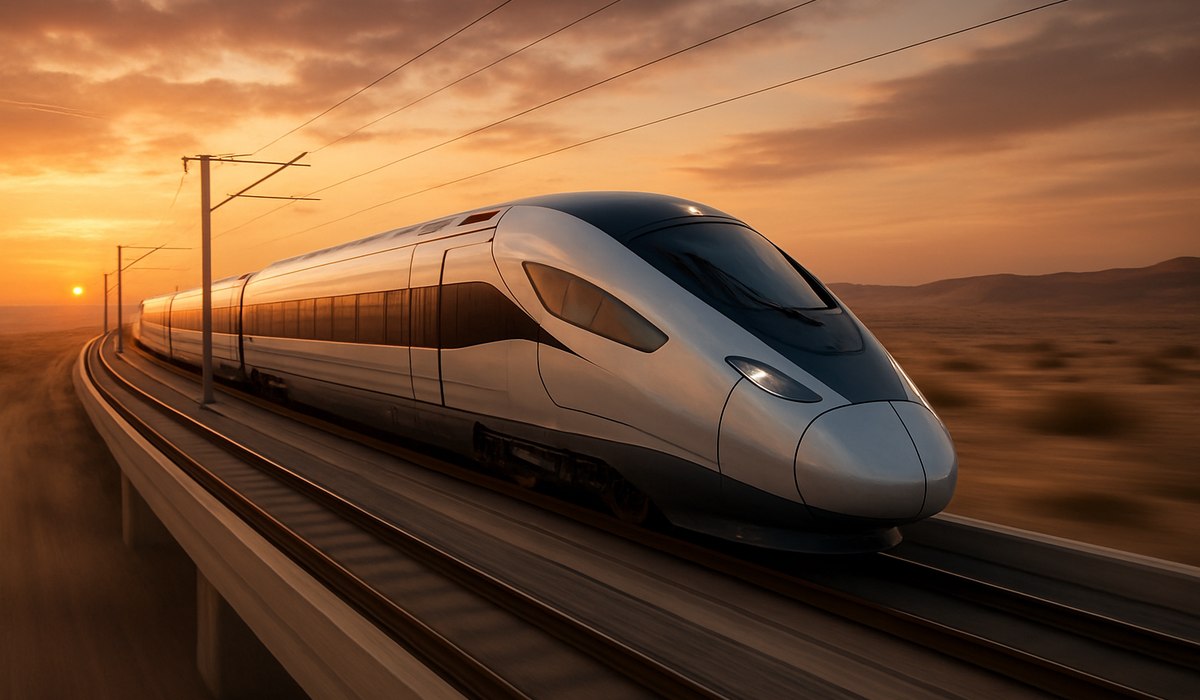
Image generated by AI
Germany's Vossloh Secures Historic California High-Speed Rail Contract
Vossloh, a leading German rail infrastructure manufacturer, has been awarded a landmark €40 million contract to supply concrete sleepers and rail fastening systems for California's first operational high-speed rail section. The 191.5-kilometer Central Valley Section connects Bakersfield and Merced, representing the initial phase of an ambitious 790.4-kilometer network ultimately extending from San Francisco to Palmdale near Los Angeles. This contract represents a transformational moment for American rail development, signaling serious progress on one of the nation's most expensive infrastructure projects.
Central Valley Section: Route, Timeline, and Project Scope
The Central Valley Section serves as the cornerstone of California's $90.8 billion high-speed network initiative. Stretching 191.5 kilometers between Bakersfield and Merced, this section will eventually support trains operating at speeds up to 350 kilometers per hour. The route cuts through California's agricultural heartland, connecting major population centers and economic hubs across the state's interior.
Vossloh will manufacture and deliver 335,000 concrete sleepers specifically engineered for California's high-speed rail requirements. Production occurs at the company's Pueblo, Colorado facility, with deliveries commencing in the third quarter of 2026. These sleepers aren't standard railway components—they're precision-engineered systems combining specialized fastening technology designed exclusively for high-speed rail specifications. The fastening systems emphasize reliability, extended service life, and minimal maintenance requirements, critical factors for maintaining operational efficiency on America's fastest trains.
Learn more about California's high-speed rail vision through the official state authority overseeing this transformative project.
Vossloh's Manufacturing Capacity and US Market Expansion
This contract represents a significant expansion of Vossloh's American manufacturing footprint. The Pueblo facility will substantially increase production capacity following several quarters of comparatively modest demand across North American markets. The California high-speed rail project catalyzes renewed investment in US rail infrastructure manufacturing, reversing recent industry trends.
Vossloh CEO Oliver Schuster emphasized the strategic importance of this award: "We are proud to be participating in this first project of its kind in the United States. It also serves as an excellent reference and foundation for further projects that are already being planned there."
The company's specialized fastening systems represent proprietary technology developed specifically for high-speed applications. These systems must accommodate extreme stresses, thermal variations, and passenger safety requirements exceeding standard freight rail specifications. By securing this contract, Vossloh positions itself as the preferred supplier for future American high-speed rail expansion, potentially including extensions beyond California's Central Valley network.
Future High-Speed Rail Development in California
California's high-speed rail program extends far beyond the Central Valley Section currently under construction. The complete network will eventually span 790.4 kilometers, making it comparable to major European high-speed systems. Future phases will connect Northern California with Southern California metropolitan regions, potentially reducing travel times between San Francisco and Los Angeles to under three hours.
This initial section success opens pathways for additional rail infrastructure contracts. Other state and regional rail modernization projects are examining similar high-speed capabilities, creating market opportunities for manufacturers like Vossloh. The Central Valley Section demonstrates American commitment to world-class rail technology, reversing decades of underinvestment in passenger rail infrastructure.
Industry analysts note that successful completion of this section will validate high-speed rail as a viable transportation solution for American travelers, potentially influencing federal funding decisions for future projects spanning Texas, Florida, and the Northeast Corridor.
Key Project Data and Specifications
| Specification | Details |
|---|---|
| Contract Value | €40 million |
| Route Length | 191.5 kilometers (Central Valley Section) |
| Total Network Length | 790.4 kilometers (San Francisco to Palmdale) |
| Designed Operating Speed | 350 kilometers per hour |
| Sleepers to be Supplied | 335,000 units |
| Manufacturing Location | Pueblo, Colorado, USA |
| Delivery Start Date | Q3 2026 |
| Project Budget | $90.8 billion USD |
| Contractor | Vossloh AG (Germany) |
| Route Segment | Bakersfield to Merced |
What This Means for American Rail Travelers
This contract award signals tangible progress toward bringing world-class high-speed rail to the United States. Here's what travelers should understand:
-
Timeline Reality: The Central Valley Section won't open to passengers for several years, but manufacturing progress indicates construction momentum. Regular updates from California High-Speed Rail Authority will provide opening date information.
-
Future Travel Options: Once operational, this section will offer an alternative to driving between San Francisco and Los Angeles, reducing journey times dramatically compared to conventional rail or highway travel.
-
Technology Standards: Vossloh's specialized sleepers ensure passenger safety and comfort matching European high-speed rail standards, establishing quality benchmarks for American rail infrastructure.
-
Economic Impact: High-speed rail service will stimulate tourism, business travel, and economic development across California's Central Valley communities that the line serves.
-
Booking Preparation: When the line launches, travelers can expect to book tickets through Trainline or directly through California High-Speed Rail's official channels. Advance booking typically offers better fares on high-speed services.
Frequently Asked Questions
When will the Central Valley Section open to passengers? While Vossloh's sleeper delivery begins in Q3 2026, the complete Central Valley Section requires additional construction and testing. Current projections suggest passenger service in the late 2020s, though specific opening dates depend on funding and construction progress. Check the official California High-Speed Rail website for updates.
How much faster is California high-speed rail compared to driving? The Central Valley Section will cover 191.5 kilometers in approximately one hour at 350 km/h cruising speed, significantly faster than the 3.5-4 hour drive from Bakersfield to Merced. This includes stops and acceleration phases but excludes highway traffic delays.
What makes Vossloh's sleepers different from standard railway sleepers? High-speed rail sleepers endure extreme forces from constant acceleration, deceleration, and track geometry changes. Vossloh's system combines concrete durability with specialized fastening technology designed for these conditions, requiring minimal maintenance across decades of service.
Will California high-speed rail eventually connect to San Francisco and Los Angeles? Yes, the complete 790.4-kilometer network is planned to eventually connect San Francisco with Palmdale near Los Angeles. The Central Valley Section is Phase One; expansion phases are in planning and early construction stages.
Related Travel Guides
- Aeroflot Moscow Baku Flight SU1854: Emergency Landing at Sheremetyevo
- Alaska Airlines Europe debut Seattle Rome nonstop 2026
- Iberia Celebrates 80 Years of the Madrid-London Air Bridge: From DC-3 Prop-Planes to 1.1 Million Annual Seats; Major Milestone for Anglo-Spanish Aviation and IAG Synergy
Disclaimer
This article is based on official announcements from Vossloh AG and the California High-Speed Rail Authority as of May 23, 2026. Project timelines, specifications, and opening dates are subject to change based on construction progress, funding availability, and regulatory approvals. For the most current information regarding California high-speed
Disclaimer
This article is for informational and educational purposes only. It does not constitute legal, financial, or professional advice. While we strive to provide accurate and up-to-date information, travel policies, regulations, and conditions change rapidly. Always verify information with official sources before making travel decisions. Nomad Lawyer makes no representations about the accuracy, reliability, completeness, or suitability of the information provided. Readers should consult qualified professionals for advice specific to their circumstances. The views expressed in this article are those of the author and do not necessarily reflect the views of Nomad Lawyer.
Raushan Kumar
Founder & Lead Developer
Full-stack developer with 11+ years of experience and a passionate traveller. Raushan built Nomad Lawyer from the ground up with a vision to create the best travel and law experience on the web.
Learn more about our team →