
UK CMA Calls for Reforms to Rail Procurement to Reduce Costs
The UK's Competition and Markets Authority has published recommendations for significant reforms to rail and road infrastructure procurement processes. The findings, based on an 11-month market study, highlight how current systems are driving up costs, causing project delays, and stifling innovation across the civil engineering sector.

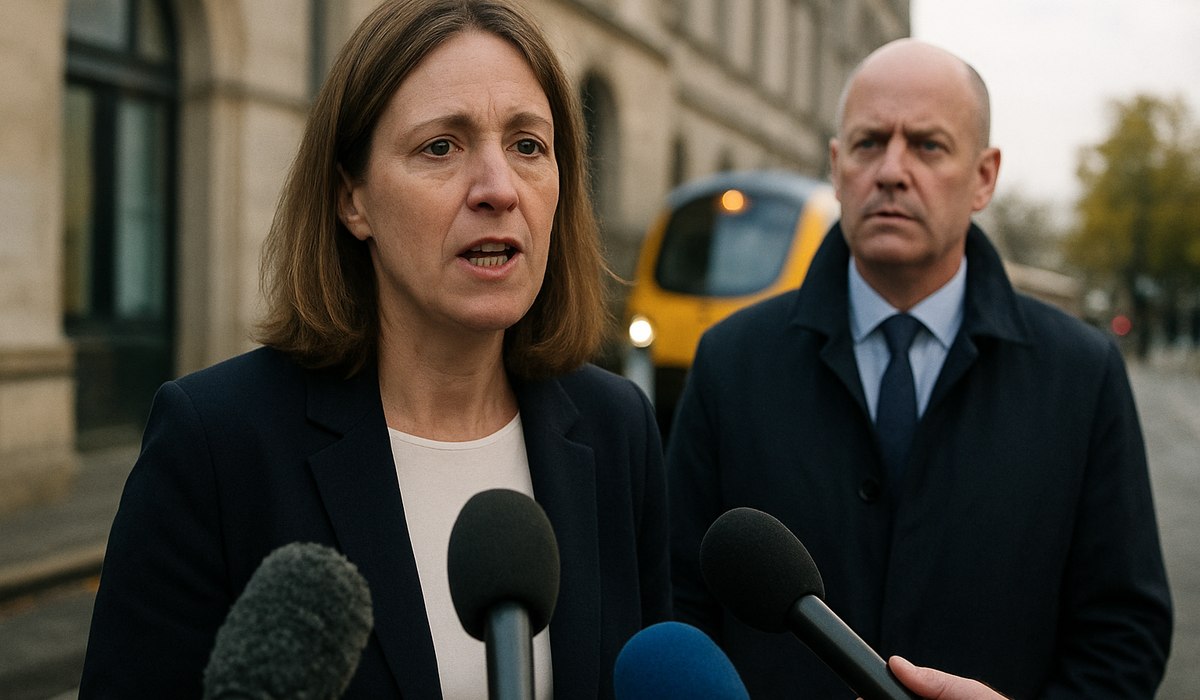
Image generated by AI
UK CMA Calls for Reforms to Rail Procurement to Reduce Costs
The UK's Competition and Markets Authority (CMA) has called for changes to the way road and rail infrastructure projects are planned and procured, stating that current systems are increasing costs, delaying delivery and limiting innovation. The recommendations were published following an 11-month market study into civil engineering across the public road and rail sectors.
Key Findings from the CMA Study
The comprehensive market study reveals several critical issues within the existing procurement framework that are hampering efficiency and driving unnecessary expenditure. The CMA's investigation uncovered systemic problems that affect both project timelines and overall cost-effectiveness.
The authority's findings suggest that the fragmented approach to procurement across different government bodies and transport authorities is creating duplication, reducing competition among bidders, and preventing the adoption of innovative solutions that could enhance service delivery and reduce expenditure.
Current Challenges in Rail Infrastructure Procurement
Cost Escalation
One of the most significant concerns highlighted in the report is the continuous escalation of project costs. The CMA attributes this partly to inefficient procurement processes that fail to incentivize cost control and competitive bidding. Projects frequently experience budget overruns due to inadequate initial planning and specification setting.
Project Delays
Infrastructure projects routinely miss their delivery deadlines, causing disruptions to services and additional financial burdens. The CMA identifies procurement inefficiencies as a major contributor to these delays, including lengthy bidding processes and complex contract management procedures.
Limited Innovation
The current framework does not adequately encourage or reward innovative approaches to civil engineering challenges. Companies have little incentive to propose new methodologies or technologies when procurement processes are rigid and prescriptive.
Recommended Reforms
The CMA has proposed a series of reforms aimed at modernizing the procurement landscape:
- Standardization of processes across transport authorities to reduce complexity and transaction costs
- Early engagement with the supply chain to incorporate industry expertise into planning stages
- Performance-based contracts that reward efficiency and innovation rather than merely specifying outputs
- Improved information sharing between procurement bodies to facilitate better decision-making
- Enhanced competition through more transparent bidding procedures and reduced barriers to entry
Industry Response
The recommendations have been welcomed by industry stakeholders who recognize the need for systemic change. Transport authorities and civil engineering firms have expressed support for reforms that could make the sector more efficient and attractive for investment.
FAQ
Q: What was the scope of the CMA's market study? A: The study focused on civil engineering practices across public road and rail sectors, examining procurement processes, planning procedures, and market competition over an 11-month period.
Q: How will these reforms benefit taxpayers? A: By reducing inefficiencies in procurement, standardizing processes, and encouraging competition, the reforms are expected to lower project costs and accelerate delivery timelines, resulting in better value for public investment.
Q: When will these reforms be implemented? A: Implementation timelines will depend on government and transport authority responses to the CMA's recommendations. Typically, policy changes of this nature require consultation periods before official adoption.
Q: Will these changes affect ongoing projects? A: The reforms are primarily designed to apply to future procurements, though some principles may be gradually incorporated into ongoing project management practices.
For more information on rail industry developments and policy changes, stay tuned to Railway-News for the latest updates.
Disclaimer
This article is for informational and educational purposes only. It does not constitute legal, financial, or professional advice. While we strive to provide accurate and up-to-date information, travel policies, regulations, and conditions change rapidly. Always verify information with official sources before making travel decisions. Nomad Lawyer makes no representations about the accuracy, reliability, completeness, or suitability of the information provided. Readers should consult qualified professionals for advice specific to their circumstances. The views expressed in this article are those of the author and do not necessarily reflect the views of Nomad Lawyer.
Kunal K Choudhary
Co-Founder & Contributor
A passionate traveller and tech enthusiast. Kunal contributes to the vision and growth of Nomad Lawyer, bringing fresh perspectives and driving the community forward.
Learn more about our team →