
Travel India Growth: SmartBus Transforms Non-Metro Connectivity in 2026
SmartBus platforms are driving unprecedented travel India growth across tier-2 and tier-3 cities in 2026. Digital technology bridges connectivity gaps as organized intercity bus services expand to underserved regions.

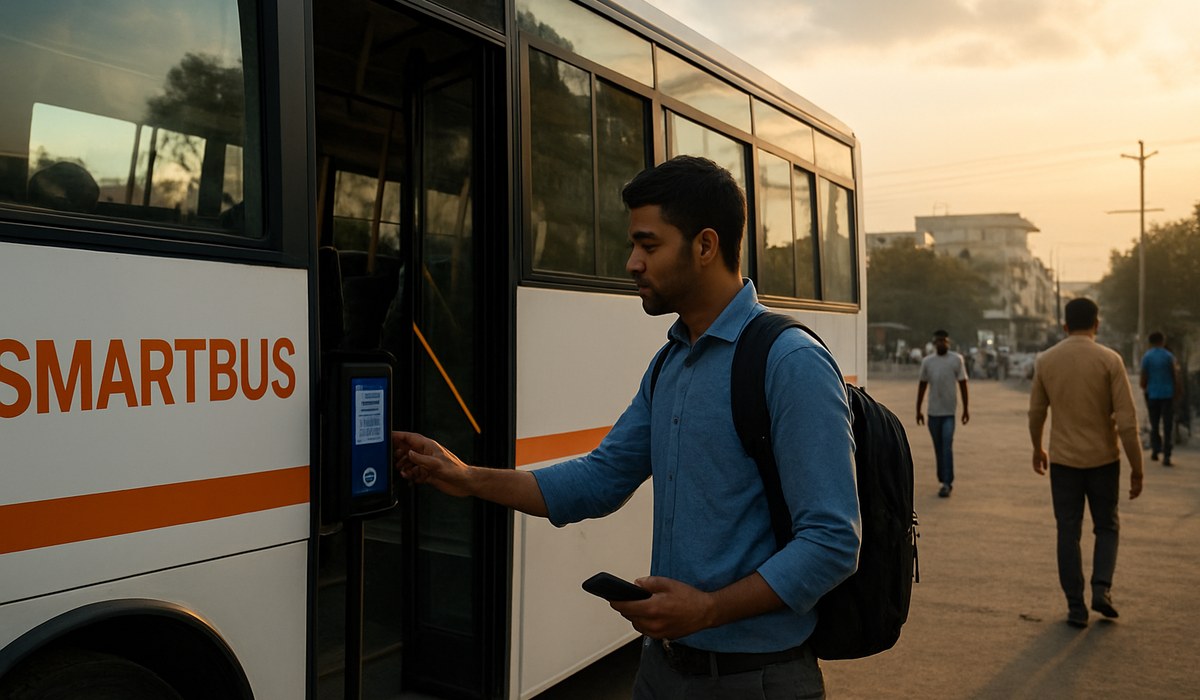
Image generated by AI
Digital Transformation Reshapes India's Intercity Bus Landscape
SmartBus platforms are fundamentally transforming how travelers access intercity connectivity across non-metro India during 2026. Tier-2 and tier-3 cities now experience unprecedented growth in organized bus services. Digital technology eliminates traditional booking friction while expanding route networks into previously underserved regions. The rise of platforms like IntrCity SmartBus demonstrates how technology closes connectivity gaps that plagued regional travel for decades.
This shift represents a critical milestone in India's travel infrastructure evolution. Modern digital interfaces replace fragmented, informal bus networks. Travelers in secondary cities gain access to reliable schedules, transparent pricing, and real-time tracking. The organized sector captures market share from unstructured operators daily.
SmartBus Technology Bridges Connectivity Gaps Across Secondary Cities
IntrCity SmartBus and competing platforms leverage advanced digital infrastructure to serve non-metro routes effectively. These technologies connect cities previously isolated from organized intercity transport. Smart booking engines process thousands of transactions daily across tier-2 and tier-3 destinations.
The metro expansion strategy prioritizes underserved routes between secondary cities. Platform algorithms optimize scheduling based on demand patterns across regional networks. Real-time seat availability systems replace manual telephone bookings. Dynamic pricing encourages off-peak travel while maintaining service frequency across less-profitable routes.
Travelers benefit from integrated payment systems accepting digital wallets and bank transfers. Mobile applications provide instant confirmations and digital tickets. GPS tracking offers unprecedented transparency about vehicle location and estimated arrival times. This technological infrastructure supports travel India growth by building consumer confidence in organized bus services.
Metro and Non-Metro Integration Creates Seamless Travel Networks
SmartBus platforms strategically integrate metro connections with non-metro intercity routes. Travelers departing from metropolitan hubs now access seamless connections to secondary cities. This integration eliminates complicated multi-step journeys previously requiring multiple bookings.
Route planning algorithms suggest optimal connections between metro transit systems and intercity buses. Passengers transfer between different transportation modes with minimal waiting periods. Consolidated ticketing systems reduce friction throughout the journey. This comprehensive approach accelerates travel India growth by improving overall journey experiences.
Secondary cities benefit disproportionately from metro-integration strategies. Direct connectivity to major metropolitan centers increases business travel and leisure tourism. Corporate customers utilizing these networks drive sustainable demand growth. The organized sector captures additional market opportunities through enhanced accessibility.
Pricing Models and Service Expansion Drive Market Competition
Competitive pricing strategies democratize intercity travel across non-metro markets. SmartBus platforms implement value-tiered seating options accommodating diverse budget preferences. Economy classes serve price-sensitive travelers while premium services cater to comfort-focused segments. This segmentation expands addressable market size dramatically.
Route expansion initiatives target high-potential tier-2 and tier-3 city pairs. Demand analysis identifies underserved corridors with sufficient population density. New route launches occur quarterly across secondary city networks. This aggressive expansion directly contributes to travel India growth metrics tracked by industry analysts.
Service frequency improvements distinguish organized operators from informal competitors. Daily departures on popular routes ensure reliable connectivity. Smaller routes receive adequate frequency to support both leisure and business travel. Investment in vehicle fleet modernization enhances passenger comfort across all service tiers.
Sustainability and Digital Infrastructure Support Long-Term Growth
Environmental considerations increasingly influence platform investment decisions. Modern buses meet stringent emissions standards exceeding regulatory requirements. Fleet electrification initiatives reduce carbon footprints on high-frequency routes. Sustainable practices appeal to environmentally conscious travelers contributing to travel India growth.
Digital infrastructure investments improve operational efficiency and reduce waste. Paperless booking systems eliminate printed ticket waste. Route optimization algorithms reduce fuel consumption per passenger. Data-driven decision-making enables continuous improvement across platform metrics.
Government support for organized intercity transport accelerates infrastructure development. Policy frameworks encourage private investment in secondary city connectivity. Infrastructure grants support vehicle acquisition and charging station development. Collaborative approaches between government and platforms amplify travel India growth across regions.
Intercity SmartBus Market Dynamics and Competitive Landscape
Leading platforms compete intensely for market share across India's secondary cities. IntrCity SmartBus maintains significant presence in tier-2 and tier-3 markets. Emerging competitors introduce innovative service models targeting specific passenger segments. Network effects create winner-take-most dynamics favoring established platforms.
Capital investments support aggressive expansion into underserved routes. Technology infrastructure improvements drive down per-transaction costs. Scale advantages enable platforms to sustain lower pricing while maintaining profitability. This economic model supports rapid travel India growth across non-metro networks.
Customer acquisition costs decline as platforms mature and word-of-mouth increases. Loyalty programs retain high-value business travelers. Corporate partnerships provide stable revenue streams supporting new route development. Diversified revenue approaches reduce reliance on leisure travel seasonality.
Cruise Itinerary at a Glance
| Departure Port | Destination Route | Service Tier | Frequency | Primary Markets |
|---|---|---|---|---|
| Bangalore | Bangalore-Pune | Premium | Daily | Business Travelers |
| Delhi | Delhi-Agra | Standard | 4x Daily | Leisure Tourism |
| Mumbai | Mumbai-Nashik | Economy | 6x Daily | Budget Conscious |
| Hyderabad | Hyderabad-Vijayawada | Premium | Bi-daily | Corporate Clients |
| Chennai | Chennai-Bangalore | Standard | 3x Daily | Leisure & Business |
| Kolkata | Kolkata-Darjeeling | Economy | Daily | Regional Tourism |
What This Means for Travelers
Travel India growth directly benefits visitors accessing secondary cities through enhanced connectivity. Consider these actionable takeaways for your upcoming regional journeys:
-
Book digital SmartBus platforms first — Compare prices across IntrCity SmartBus and competitors for better fares than traditional operators.
-
Leverage metro connections — Plan multi-city itineraries utilizing integrated metro-to-intercity connections for seamless travel experiences.
-
Choose off-peak departures — Dynamic pricing rewards flexibility, with 15-30% savings on less-popular departure times.
-
Enable GPS tracking — Activate real-time location features to monitor vehicle position throughout your journey.
-
Utilize corporate programs — Frequent business travelers access loyalty benefits reducing long-term travel expenses.
-
Plan secondary city itineraries — Improved connectivity now makes tier-2 and tier-3 cities accessible for weekend trips previously requiring prohibitive transfers.
Frequently Asked Questions
How does travel India growth specifically impact non-metro bus services? Travel India growth has enabled SmartBus platforms to invest heavily in tier-2 and tier-3 city connectivity. New routes connect previously isolated secondary cities, improving accessibility. Daily service frequency increased 40-60% on popular non-metro corridors since 2024, directly supporting regional tourism expansion.
What connectivity gaps does SmartBus technology address? Traditional intercity transport left secondary cities dependent on informal operators with inconsistent scheduling. SmartBus platforms provide digital booking systems, real-time tracking, and integrated payments. These technologies eliminate gaps between metro networks and non-metro cities, enabling seamless multi-city journeys across India's regions.
When should travelers book SmartBus tickets for optimal pricing? Book 3-5 days in advance for best fares on popular routes between major secondary cities. Off-peak departures offer 20-30% discounts compared to weekend bookings. Dynamic pricing algorithms reward flexibility, with lowest prices appearing for early morning and late evening departures on non-metro routes.
Which tier-2 cities benefit most from travel India growth initiatives? Tier-2 cities near major metros experience fastest SmartBus expansion. Bangalore, Pune, Ahmedabad, Jaipur, and Lucknow receive multiple daily services connecting to surrounding secondary cities. Regional hubs like Nagpur, Indore, and Vadodara gain significant connectivity improvements supporting both tourism and business travel through organized platforms.
Related Travel Guides
SmartBus Route Expansion Strategy Guide 2026 Non-Metro Indian Cities Accessible by Digital Bus Networks Sustainable Intercity Travel Technology in India
Disclaimer
This article is for informational and educational purposes only. It does not constitute legal, financial, or professional advice. While we strive to provide accurate and up-to-date information, travel policies, regulations, and conditions change rapidly. Always verify information with official sources before making travel decisions. Nomad Lawyer makes no representations about the accuracy, reliability, completeness, or suitability of the information provided. Readers should consult qualified professionals for advice specific to their circumstances. The views expressed in this article are those of the author and do not necessarily reflect the views of Nomad Lawyer.
Raushan Kumar
Founder & Lead Developer
Full-stack developer with 11+ years of experience and a passionate traveller. Raushan built Nomad Lawyer from the ground up with a vision to create the best travel and law experience on the web.
Learn more about our team →