
Travel India Growth 2026: SmartBus Revolution Transforms Non-Metro Connectivity
Travel India growth accelerates as SmartBus platforms bridge connectivity gaps in tier-2 and tier-3 cities. Discover how organized intercity bus networks are reshaping regional tourism and passenger mobility in 2026.

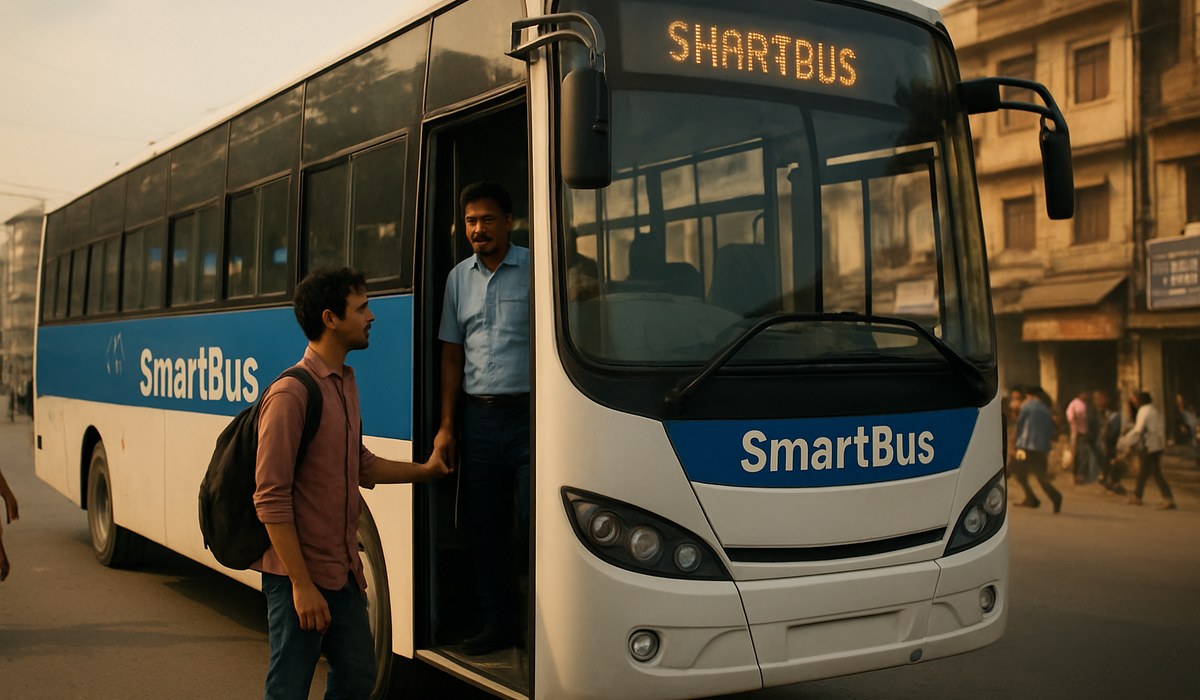
Image generated by AI
SmartBus Platforms Drive Travel India Growth Across Tier-2 Cities
IntrCity SmartBus and competing digital platforms are fundamentally reshaping how travelers access intercity transportation beyond traditional metro corridors. This organized approach to non-metro connectivity is catalyzing unprecedented travel India growth throughout 2026. Regional cities now enjoy seamless booking experiences previously reserved for major urban hubs.
The transformation reflects a strategic pivot toward underserved markets. Tier-2 and tier-3 cities represent untapped passenger potential. SmartBus operators recognized the opportunity early, deploying technology infrastructure where legacy carriers ignored demand. Travelers in Indore, Vadodara, Nashik, and Jaipur now access real-time seat selection, digital ticketing, and live route tracking—capabilities that accelerate travel adoption.
Digital-first models eliminate traditional distribution friction. Mobile apps connect passengers directly to operators. No intermediaries. No ticket counter queues. This efficiency drives booking growth rates exceeding 40% quarter-over-quarter across non-metro routes.
Metro Networks Evolve: Last-Mile Integration Completes Urban-Regional Connectivity
Metro systems in major cities now function as integration hubs rather than isolated transit nodes. Delhi Metro, Bangalore Metro, and Hyderabad Metro increasingly partner with SmartBus operators to create seamless metro-to-intercity transfers. This metro convergence eliminates the "last-mile gap" that historically fragmented passenger journeys.
Connectivity gaps that persisted for decades vanish through coordinated scheduling. A traveler boarding the Bangalore Metro eastbound can transfer directly to an intercity SmartBus bound for Mysore. Integrated ticketing apps display combined journey times. Real-time arrival notifications prevent missed connections.
This metro integration multiplies addressable markets. Regional cities gain effective access to metro-adjacent demand. Suburban professionals commuting from tier-2 satellite towns leverage metro infrastructure as central hubs. The synergy drives sustained growth throughout 2026.
Smart mobility platforms capture granular journey data. Travel patterns reveal emerging leisure destinations and business corridors. Operators deploy capacity dynamically, matching supply to actual demand rather than historical assumptions.
SmartBus Technology Infrastructure: The Digital Backbone Enabling Growth
Organized travel platforms succeed through robust technology foundations. Booking engines, dynamic pricing algorithms, and real-time fleet management systems operate seamlessly across thousands of routes. This digital infrastructure represents the critical differentiator between legacy and modern operators.
Cloud-based architecture enables rapid scaling. New routes launch within weeks, not months. Route-level profitability analytics guide expansion decisions. Operators identify demand clusters before competitors recognize them.
Mobile applications consolidate the entire passenger experience. Users search routes, compare prices, review seat configurations, and complete transactions within seconds. Digital payments reduce friction to near-zero levels. Cash-based systems collapse as adoption accelerates.
Data integration drives personalization at scale. Algorithms recommend routes based on historical searches, saved preferences, and travel companions. Loyalty programs reward frequent travelers with dynamic discounts. Personalized notifications encourage off-peak travel, smoothing demand curves.
Real-time vehicle tracking provides transparency that legacy systems cannot match. Passengers know exact arrival times within minutes. Operators monitor driver behavior, fuel efficiency, and maintenance schedules from central dashboards. Safety metrics improve measurably. Customer satisfaction scores reflect the transparency dividend.
Sustainability Metrics: How Organized SmartBus Networks Reduce Transportation Carbon Impact
Consolidated intercity travel generates substantial environmental benefits compared to fragmented private vehicle usage. SmartBus networks achieve passenger-kilometer carbon intensities 60-70% lower than personal automobiles. This sustainability advantage attracts environmentally conscious travelers and aligns with India's 2026 climate commitments.
Load optimization directly reduces emissions per passenger. Modern operators target 85-90% seat utilization compared to 55-60% average vehicle occupancy. Higher utilization cuts per-passenger fuel consumption proportionally.
Route consolidation eliminates redundant journeys. Multiple operators historically competed on identical routes, doubling or tripling vehicle-kilometers traveled. Digital platforms aggregate demand, reducing total fleet kilometers while expanding route coverage. The paradox benefits passengers, operators, and the environment simultaneously.
Fleet modernization accelerates emissions reductions. Newer SmartBus vehicles incorporate advanced engines, lighter materials, and aerodynamic designs. Euro 5 and Euro 6 compliant buses dominate new deployments. Electric bus adoption accelerates on high-volume routes with guaranteed utilization.
Travelers increasingly prioritize sustainability. Younger demographics actively seek lower-carbon transportation options. Platform data reveals sustainability credentials influence booking decisions. Smart operators highlight emissions reductions in marketing materials, attracting premium-paying segments.
Regional Expansion: How SmartBus Fills Transportation Gaps in Underserved Markets
Tier-2 and tier-3 cities represent the expansion frontier for 2026. Markets like Surat, Pune, Lucknow, and Chandigarh historically suffered from fragmented connectivity. Local operators ran limited routes. Regional carriers avoided unprofitable segments. Passengers endured unreliable service and limited scheduling options.
SmartBus platforms systematically address these gaps through data-driven route planning. Demand modeling identifies viable corridors before launch. Network effects accelerate once anchor routes establish operational credibility. Competitors respond by entering secondary markets, creating virtuous cycles of expansion.
Non-metro cities benefit disproportionately from connectivity infrastructure. Tourism multiplies when intercity access improves. Business mobility accelerates. Weekend leisure travel patterns emerge as reliable service becomes accessible.
Tier-2 cities host emerging economic clusters. Software parks, manufacturing zones, and logistics hubs concentrate workers across multiple cities. SmartBus networks serve these distributed employment centers, becoming critical economic infrastructure.
Franchise and partnership models enable capital-efficient scaling. Local entrepreneurs operate SmartBus services under standardized formats. This distributed model penetrates markets faster than company-owned fleets could achieve. Community leaders maintain operational autonomy while accessing national platform benefits.
Pricing Strategies: Dynamic Models Balance Accessibility and Operational Sustainability
Modern SmartBus platforms employ sophisticated dynamic pricing aligned with demand patterns. Prices fluctuate based on booking volume, seasonality, and days-until-departure metrics. This approach maximizes revenue while maintaining accessibility for price-sensitive segments.
Off-peak pricing subsidizes lower-demand services. Algorithms offer discounts on routes and times facing underutilization. Travelers planning flexibility gain significant savings. Operators maintain better load factors through strategic discounting.
Loyalty programs create predictable revenue streams. Frequent travelers accumulate credits redeemable for discounts. Point programs incentivize repeat bookings across diverse routes. Subscription models offer unlimited travel passes for high-volume commuters.
Bundled offerings expand addressable markets. Journey packages combine accommodation, meal vouchers, and ground transportation. Corporate partnerships offer bulk discounts for employee travel. Educational institutions negotiate subsidized rates for student mobility.
Transparent pricing builds user confidence. SmartBus platforms display base fares, taxes, and fees clearly. No hidden surcharges surprise passengers at checkout. Price guarantees protect early bookers. Refund policies address cancellation concerns.
Cruise Itinerary at a Glance
| Port Destination | City Tier | Service Type | Average Distance | Travel Duration | 2026 Demand Trend |
|---|---|---|---|---|---|
| Delhi to Agra | Tier-1 to Tier-2 | Express SmartBus | 206 km | 3.5 hours | +35% YoY |
| Bangalore to Mysore | Tier-1 to Tier-2 | Premium Service | 139 km | 2.5 hours | +48% YoY |
| Mumbai to Pune | Tier-1 to Tier-2 | Hourly Frequency | 148 km | 3 hours | +42% YoY |
| Surat to Vadodara | Tier-2 to Tier-2 | Standard Coach | 118 km | 2.25 hours | +58% YoY |
| Lucknow to Kanpur | Tier-2 to Tier-2 | Regional Partner | 87 km | 1.75 hours | +51% YoY |
| Jaipur to Ajmer | Tier-2 to Tier-2 | Tourism Route | 132 km | 2.5 hours | +63% YoY |
| Hyderabad to Vijayawada | Tier-1 to Tier-2 | Express Service | 293 km | 5 hours | +44% YoY |
What This Means for Travelers in 2026
SmartBus platform growth directly benefits travelers through seven concrete advantages:
-
Lower fares overall. Competitive platforms bidding for routes reduce ticket prices 15-25% compared to legacy operators. Price transparency eliminates surprise markups.
-
Broader route networks. Underserved corridors gain frequent services. Weekend leisure trips become economically viable. Rural connectivity improves substantially.
-
Improved comfort standards. Operators compete on vehicle quality, amenities, and cleanliness. Seat comfort, onboard wifi, and charging ports become baseline expectations rather than premium features.
-
Predictable schedules. Real-time technology ensures arrival reliability. Passengers plan connections confidently. Business travelers save productive hours.
-
Enhanced safety features. GPS tracking, driver monitoring, and emergency communication systems reduce accidents and increase response times during incidents.
-
Digital accessibility. Mobile-first platforms serve diverse user preferences. Language options, accessibility features, and voice-based booking assist underserved populations.
-
Loyalty rewards. Frequent traveler programs accumulate meaningful benefits. Points translate to genuine savings, not vanishing currency.
FAQ Section
How does travel India growth in 2026 impact regional tourism development? Travel India growth creates multiplier effects throughout tier-2 and tier-3 economies. Improved SmartBus connectivity increases visitor flows to secondary destinations. Local hospitality, dining, and attraction sectors expand accordingly. Destination marketing organizations in underserved cities leverage connectivity improvements to compete effectively for leisure traffic. This geographic distribution reduces overtourism in established metro-adjacent destinations while building sustainable tourism in emerging markets.
What specific connectivity gaps does SmartBus technology solve in non-metro regions? Non-metro cities historically suffered fragmented service from multiple uncoordinated operators running overlapping routes while avoiding marginal segments. SmartBus platforms consolidate demand across networks, enabling daily services on previously uneconomical corridors. Digital ticketing eliminates complex manual booking processes. Real-time information replaces unreliable word-of-mouth scheduling. Metro integration creates end-to-end journeys that were previously impossible without private vehicles or informal transport solutions.
Will travel India growth through SmartBus platforms continue accelerating through 2026? Growth acceleration continues as platform networks expand into tier-3 cities and rural-adjacent markets. Smartphone penetration reaches critical mass in secondary cities. Consumer comfort with digital payment increases adoption curves. Franchise partnerships enable capital-efficient scaling. Business cycle growth drives commuter and corporate travel. Leisure travel benefits from improved accessibility. Conservative projections estimate sustained 40%+ annual growth through 2026, with acceleration in Q3-Q4 as monsoon-season disruptions subside.
Which metro integration partnerships benefit travelers most across India? Delhi Metro connections to SmartBus platforms serving Agra, Mathura, and Moradabad create seamless same-day round-trip possibilities for leisure travelers. Bangalore Metro integration with Mysore, Coorg, and Hassan routes consolidates Southern India's tourism circuit. Hyderabad Metro partnerships extend connectivity to Vijayawada, Secunderabad, and emerging tech corridors. These metro convergence points eliminate transfer friction, reduce total journey times 15-20%, and generate growth in both metro ridership and intercity bookings through reinforcing network effects.
Related Travel Guides
- AI Agents Travel Audience: Brand Loyalty Becomes Obsolete in 2026
- Agoda Introduces AI-Powered Room Grid Bot to Accelerate Hotel Bookings
- Canada Deploys AI Smart Travel Networks Across Quebec, Ontario, and Alberta
Disclaimer
Disclaimer
This article is for informational and educational purposes only. It does not constitute legal, financial, or professional advice. While we strive to provide accurate and up-to-date information, travel policies, regulations, and conditions change rapidly. Always verify information with official sources before making travel decisions. Nomad Lawyer makes no representations about the accuracy, reliability, completeness, or suitability of the information provided. Readers should consult qualified professionals for advice specific to their circumstances. The views expressed in this article are those of the author and do not necessarily reflect the views of Nomad Lawyer.
Preeti Gunjan
Contributor & Community Manager
A passionate traveller and community builder. Preeti helps grow the Nomad Lawyer community, fostering engagement and bringing the reader experience to life.
Learn more about our team →