
STB and Agoda Expand Tech Partnership to Power Singapore Tourism
Agoda and Singapore Tourism Board expand their strategic partnership to boost AI travel innovation, data analytics, and digital personalization in 2026.

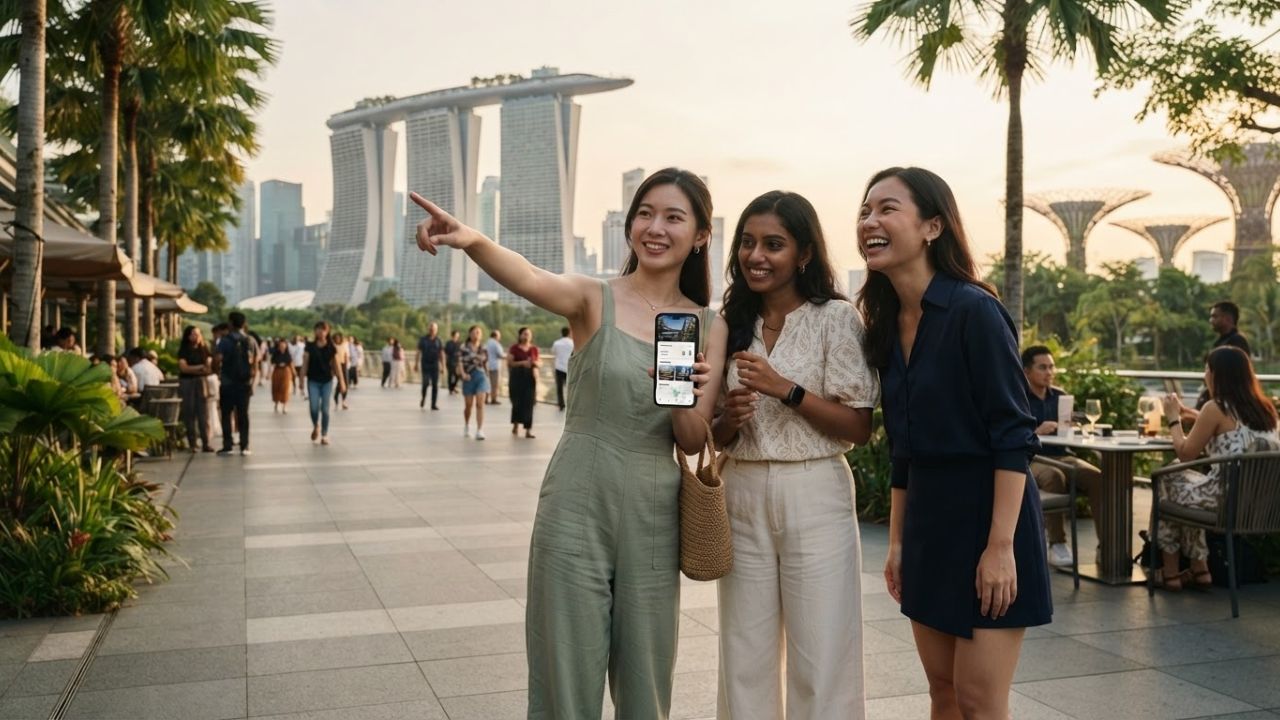
Image generated by AI
Singapore and Agoda have expanded their technology partnership with a three-year agreement to deploy AI-driven personalization and predictive analytics. Aligned with Singapore's Tourism 2040 vision, this collaboration aims to enhance the visitor experience for high-value markets while promoting sustainable travel practices.
Expanding Digital Horizons: The Agoda-STB Technology Alliance
The travel sector in Singapore is experiencing a structural transition as public-private partnerships integrate artificial intelligence and data science into visitor services. On August 16, 2026, the Singapore Tourism Board (STB) and the online travel platform Agoda signed a three-year Memorandum of Understanding (MOU). This agreement builds on earlier collaborations established in 2022 and 2024, focusing on AI-powered digital innovation. The primary goal is to target high-value travel markets, specifically the United States, Australia, and India. By utilizing Agoda's platform technology and predictive analytics, Singapore aims to modernize its destination marketing and streamline the traveler journey.
This partnership focuses on four strategic pillars designed to strengthen the regional tourism ecosystem. First, joint marketing campaigns will leverage Agoda’s global reach to highlight Singapore's unique attractions. Second, a shared data strategy will utilize real-time insights to track visitor booking patterns and preferences, allowing local operators to adapt their services dynamically. Third, the collaboration promotes thought leadership by sharing industry trends and innovations with hospitality stakeholders. Finally, technology collaboration programs will provide digital capability training for the local tourism workforce, ensuring that small-to-medium enterprises can navigate the evolving digital travel space.
Under this new framework, AI systems analyze search behavior to generate personalized itineraries for international travelers. Rather than presenting generic options, these digital tools map proximity to public transport, highlight hotel accessibility features, and suggest dining options based on individual dietary preferences. This predictive intelligence allows business and family travelers to receive highly relevant recommendations before departure, reducing planning friction. By shifting from broad demographic campaigns to precise, data-driven personalization, Singapore is setting a new standard for smart tourism in the Asia-Pacific region.
Enhancing Sustainable Travel and Hawker Heritage Through Technology
The integration of travel technology plays a significant role in promoting sustainable tourism and protecting Singapore’s unique cultural heritage. For the visitor, the real impact of these digital tools is the ability to support conservation efforts and regional economies directly. By utilizing real-time crowd management tools, the platform helps distribute foot traffic away from congested central landmarks to lesser-known municipal sites. This prevents seasonal pressure on sensitive urban zones and local neighborhoods, protecting the quality of life for residents.
Additionally, digital maps guide travelers to authentic, family-run hawker stalls in traditional markets like Maxwell Food Centre and Tiong Bahru Market. Supporting these independent merchants ensures that tourism spending directly benefits multi-generational heritage chefs rather than international commercial chains. This approach helps preserve Singapore's UNESCO-recognized hawker culture by encouraging visitors to explore local neighborhoods.
Furthermore, Singapore's smart transit systems support low-impact exploration. The Land Transport Authority (LTA) enables travelers to use international contactless credit cards and mobile wallets at all MRT fare gates, eliminating the need for physical tickets and reducing paper waste. Technology platforms also actively promote low-carbon eco-tourism destinations, encouraging visitors to explore nature preserves like the Southern Ridges and the rustic island of Pulau Ubin. By using technology to balance urban development with natural preservation, Singapore demonstrates how smart city initiatives can enhance the travel experience while protecting the natural and cultural assets that define the destination.
Essential Tips for Navigating Singapore's Smart Travel Network
To ensure a seamless, culturally respectful, and independent visit to Singapore, local destination specialists recommend several practical tips:
-
Smart Travel Logistics:
- Tap-and-Go Transit: Skip the ticketing machines at MRT stations. You can use your international contactless credit card or smartphone mobile wallet directly at the fare gates.
- Download Ride-Hailing Apps: Install local ride-hailing and navigation apps before arrival for efficient point-to-point transit across the city.
- Understand Dining Charges: In sit-down restaurants, tipping is not customary. Bills typically include a 10% service charge and a 9% Goods and Services Tax (GST).
- Digital Payments: Many local shops and hawker centers accept QR-code payments (SGQR) or contactless cards. Carry a small amount of cash for smaller independent stalls.
-
Singapore Visitor Insider Tips:
- Gastronomy: Visit Maxwell Food Centre to try Hainanese chicken rice, or explore Tiong Bahru Market for savory laksa noodles and roti prata.
- Strict Regulations: Singapore maintains high standards of cleanliness. Do not chew gum, litter, jaywalk, or feed wildlife, as these offenses carry heavy fines. Stand on the left when riding escalators.
- Under-the-Radar Spot: Visit Pulau Ubin, Singapore's last traditional village, accessible by a 10-minute bumboat ride from Changi Point Ferry Terminal. Rent a bicycle from a local family-run shop to explore the island's quiet gravel roads and wetlands.
- Off-Peak Window: Plan your trip between July and October (excluding the Formula 1 Grand Prix week in September) to enjoy lower hotel rates and fewer crowds.
- Choping Custom: Be aware of the local practice of saving tables in hawker centers using packets of tissue, umbrellas, or business cards before ordering food.
The Future of AI-Driven Travel in Singapore
The long-term outlook for Singapore's visitor economy is guided by the national "Tourism 2040" strategy, which prioritizes high-value growth, environmental sustainability, and technology integration. The expanded partnership between the STB and Agoda demonstrates how public-private collaborations can drive industry-wide adaptation in the post-pandemic era. By investing in artificial intelligence, digital capability training, and real-time market intelligence, the city-state is building a resilient tourism sector capable of responding to changing travel patterns. The deployment of the Airbus A321LR is central to this fleet strategy, allowing the airline to test new markets and establish routes to secondary cities that do not have the passenger volume to support larger wide-body aircraft like the Boeing 787 or Airbus A350.
For the regional hospitality industry, the shift toward predictive analytics and personalized marketing will encourage local hotels, attractions, and merchants to adopt digital booking models. This transition helps small businesses gain exposure to international markets, ensuring a more equitable distribution of tourism revenue across the economy.
Ultimately, Singapore's commitment to smart tourism shows that technology and heritage preservation are not mutually exclusive. By using AI to optimize visitor management, promote green travel routes, and support local culinary heritage, Singapore is establishing a model for sustainable urban tourism. For global travelers, this tech-driven environment offers a highly organized, authentic, and responsible way to explore one of Asia's most dynamic hubs.
Related Travel Guides
Disclaimer
This article is for informational and educational purposes only. It does not constitute legal, financial, or professional advice. While we strive to provide accurate and up-to-date information, travel policies, regulations, and conditions change rapidly. Always verify information with official sources before making travel decisions. Nomad Lawyer makes no representations about the accuracy, reliability, completeness, or suitability of the information provided. Readers should consult qualified professionals for advice specific to their circumstances. The views expressed in this article are those of the author and do not necessarily reflect the views of Nomad Lawyer.
Raushan Kumar
Founder & Lead Developer
Full-stack developer with 11+ years of experience and a passionate traveller. Raushan built Nomad Lawyer from the ground up with a vision to create the best travel and law experience on the web.
Learn more about our team →