
The AI Travel Planning Revolution: How Smart Algorithms Are Crafting Personalized Itineraries and Solving Overtourism
Artificial intelligence is reshaping global travel planning in 2026, delivering tailored itineraries, real-time translations, and smart crowd-management solutions.

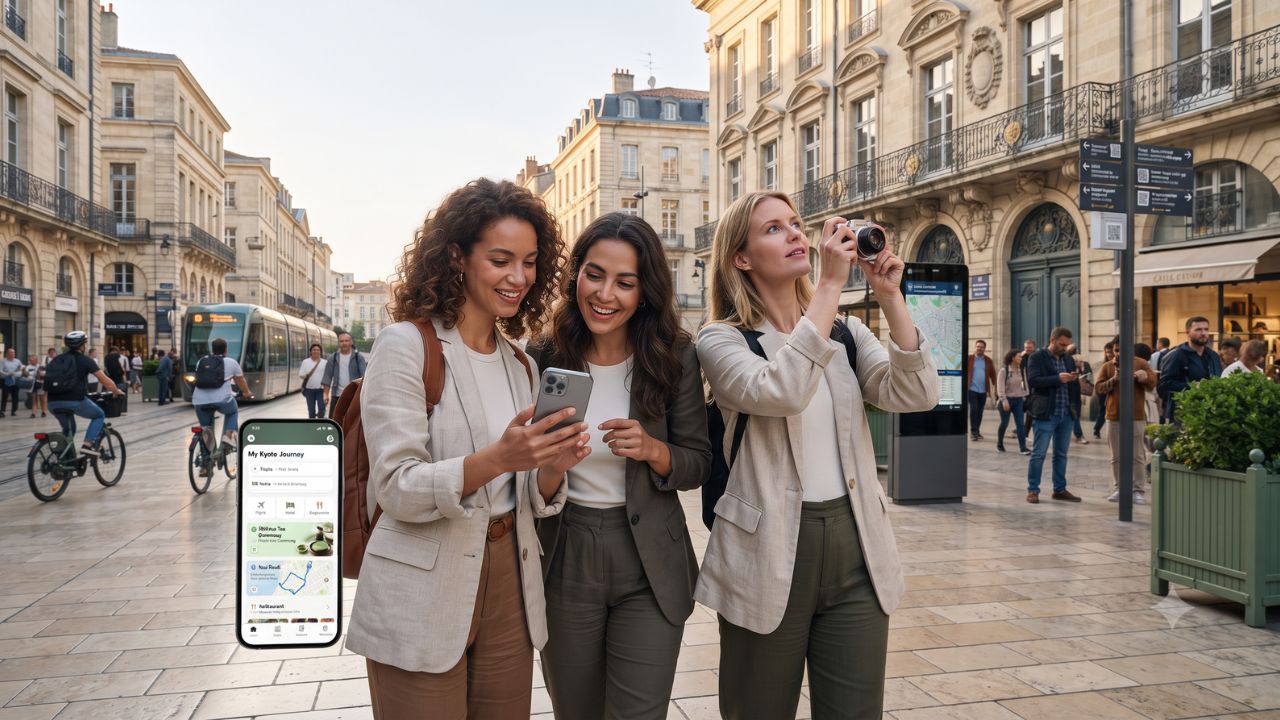
Image generated by AI
More than 65 percent of independent international travelers now consult artificial intelligence tools to draft custom multi-city travel schedules, reducing average itinerary research times from fifteen hours to less than ten minutes. Coinciding with global discussions surrounding World Tourism Day, artificial intelligence has shifted from an experimental novelty into an operational foundation for destination management organizations, international airlines, and solo travelers worldwide.
The Evolution of Algorithmic Travel Planning
Traditional vacation planning previously required juggling dozen of browser tabs to align flight connections, hotel check-in policies, museum reservation slots, and train transfers. Today, generative algorithms synthesize real-time transit databases, geographic mapping tools, dietary parameters, and user budgets into structured daily itineraries.
Rather than offering generic top-ten tourist lists, intelligent planning engines analyze user context. A solo architectural researcher receives walking routes through quiet residential districts, while a family with young children is routed toward step-free parks, kid-friendly dining, and attractions with short queues. This shift allows travelers to discover regional destinations that match their personal travel rhythms rather than standard package tour routes.
How Leading Nations Are Implementing Smart Tourism
Countries across Europe, Asia, and the Middle East are integrating artificial intelligence into their national visitor infrastructure:
Spain: Pioneer of Smart Destination Frameworks
Spain leads the development of smart tourism destinations through state entity SEGITTUR, deploying digital sensor networks across municipalities like Valencia and Santander to monitor pedestrian densities, optimize public bus frequencies, and promote regional agrotourism routes. Official destination initiatives are maintained by Spain's Tourism Portal.
Italy: Preserving Heritage Through Flow Management
In historic cultural centers like Florence and Venice, municipal authorities utilize predictive data modeling to distribute visitor foot traffic away from congested cathedral squares toward lesser-known neighborhood museums and Renaissance gardens, safeguarding sensitive UNESCO World Heritage Sites.
Japan: Multilingual Assistance and Transit Optimization
Addressing post-reopening visitor surges in Tokyo and Kyoto, the Japan National Tourism Organization has implemented AI-assisted customer service platforms that deliver real-time railway route advisories, earthquake safety updates, and regional festival recommendations in over twenty languages.
Singapore and the UAE: Biometric and Smart City Integration
Singapore and the United Arab Emirates have developed advanced digital travel corridors, where facial recognition algorithms eliminate boarding pass checks at airport checkpoints, while smart city applications provide visitors with real-time dining availability and cashless transport payments.
Visitor Insider Tips for Using AI Travel Tools
- Prompt Engineering for Local Culture: When generating itinerary ideas, instruct algorithms to exclude top-five tourist landmarks and specify dining preferences based on regional ingredients (such as "recommend family-run Basque pintxos bars off tourist avenues").
- Cross-Checking Practical Opening Hours: AI models can occasionally reference outdated winter timetables or closed venues. Always verify operating hours, holiday closures, and admission ticket links directly through official museum websites before heading out.
- Using Offline Language Models: Download offline AI translation language packs on your mobile device before departing for rural regions with weak cellular reception. Modern translation tools allow real-time camera translation of handwritten foreign menus.
- Privacy and Data Safeguards: Avoid entering sensitive personal identification details, full passport numbers, or live credit card information into public artificial intelligence chat platforms when asking for booking advice.
Cultural Context, Sustainability, and Human Hospitality
While artificial intelligence excels at logistics and data sorting, it cannot replace the empathy, storytelling, and warmth of local human hospitality. Certified regional guides, indigenous community hosts, and neighborhood restaurateurs remain the emotional core of meaningful travel.
Destination policy guidelines outlined by UN Tourism highlight the responsibility of tourism boards to use AI for environmental protection. By analyzing seasonal travel patterns, smart algorithms can encourage travelers to visit during shoulder seasons, direct economic revenue into rural communities, and prevent the ecological degradation of fragile national parks.
FAQ: Using AI for Travel Planning in 2026
Can AI completely replace the role of human travel advisors?
No. AI excels at rapid research and draft itineraries, but human travel advisors remain essential for complex luxury bookings, crisis management during flight disruptions, and deep cultural insights.
How does AI help reduce overtourism in popular cities?
Smart destination systems predict crowd congestion at major monuments and suggest alternative regional attractions, spreading visitor traffic across broader geographic areas.
Are AI itinerary generators free to use for travelers?
Many consumer AI planning assistants offer free baseline itinerary generation, while premium platforms provide integrated direct booking capabilities and live flight-tracking alerts.
What is the biggest limitation of AI in trip planning?
The primary challenge remains data accuracy regarding seasonal ticket availability, temporary transit strikes, and localized road closures, making human verification necessary.
Harnessing artificial intelligence for travel planning frees us from logistical friction, allowing travelers to focus entirely on genuine human connection and cultural discovery.
Disclaimer
This article is for informational and educational purposes only. It does not constitute legal, financial, or professional advice. While we strive to provide accurate and up-to-date information, travel policies, regulations, and conditions change rapidly. Always verify information with official sources before making travel decisions. Nomad Lawyer makes no representations about the accuracy, reliability, completeness, or suitability of the information provided. Readers should consult qualified professionals for advice specific to their circumstances. The views expressed in this article are those of the author and do not necessarily reflect the views of Nomad Lawyer.
Naina Thakur
Contributor & Travel Specialist
Travel enthusiast and legal writer covering visa regulations, responsible tourism, and cultural journeys across global destinations.
Learn more about our team →