
Singapore Airlines Pulled Into Expanding Asia Flight Meltdown
Singapore Airlines joins Emirates, Qatar Airways and Cathay Pacific in cascading disruptions across Asia in April 2026. Middle East airspace closures and surging fuel costs trigger thousands of flight cancellations and delays.

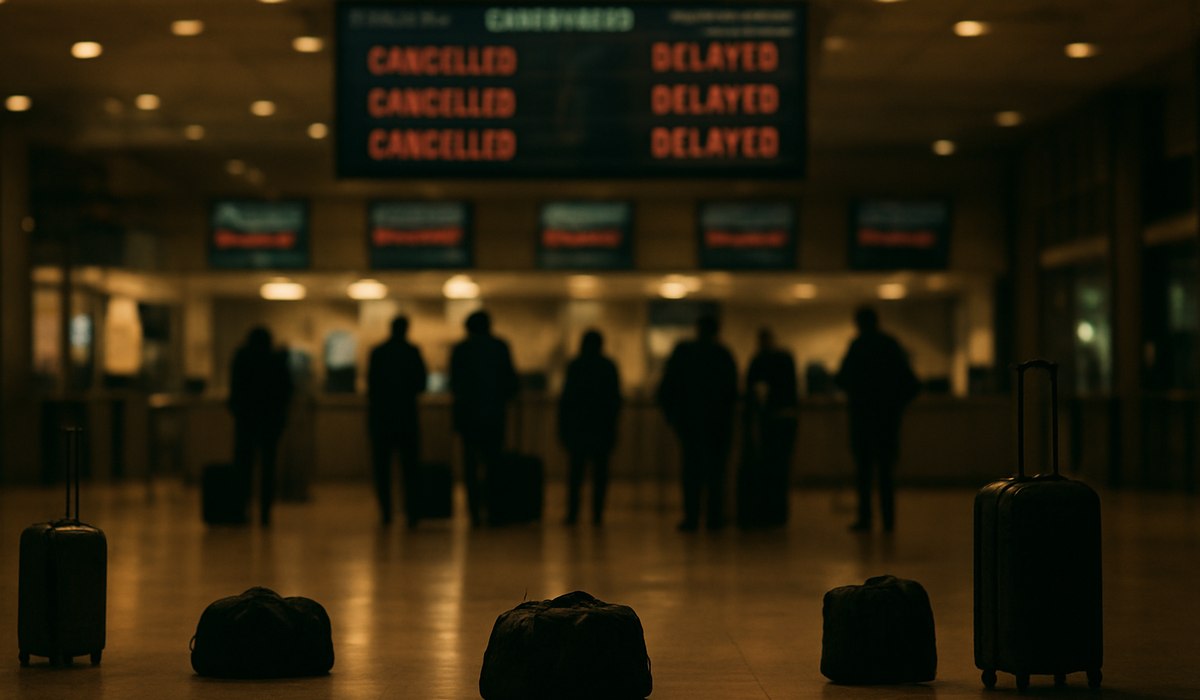
Image generated by AI
Asia's Airline Network Buckles Under Perfect Storm
Singapore Airlines has joined Emirates, Qatar Airways, Cathay Pacific, China Eastern, IndiGo, Batik Air and Etihad in a rolling wave of flight disruptions stranding tens of thousands of passengers across Asia in early April 2026. The cascade stems from Middle East airspace closures compounded by volatile jet fuel costs, forcing major carriers to cancel flights, extend suspensions and redeploy aircraft across regional networks. Singapore Changi Airport, Dubai, Doha and Bangkok are among the hardest-hit hubs, with single-day cancellation counts exceeding 2,500 flights across the region and mounting delays cascading through downstream connections.
Middle East Crisis Triggers Cascading Delays Across Asia
Publicly available aviation data reveals that Middle Eastern airspace restrictions have forced European-Asia routes into extended detours, draining aircraft availability and crew rotations for carriers dependent on these critical corridors. Singapore Airlines pulled several Middle East services in response, triggering indirect pressure on its broader Asia-Pacific network. The geopolitical instability compounds a secondary crisis: jet fuel costs spiked sharply in March and early April 2026, narrowing already-thin profit margins for regional carriers.
The strain is particularly acute because Asian airlines rebuilt networks to near pre-pandemic capacity but retained fewer spare aircraft and thinner staff buffers. When disruptions hit—whether weather, technical issues or airspace closures—delays metastasize quickly across hubs. Trade publications document that weather disruptions at secondary hubs like Jakarta, Shenzhen and Beijing Daxing have produced chains of late-arriving aircraft, pushing Singapore Airlines and Scoot departures deep into evening hours.
Singapore Airlines Suspends Middle East Routes as Network Strain Spreads
Singapore Airlines pulled back from expanded Middle East services, initially suspending routes before selective restoration. However, the airline now faces fresh pressure as aircraft earmarked for Gulf corridors sit underutilized. Instead, the carrier prioritizes high-yield Europe and North Asia routes, leaving fewer operational buffers.
This calculus repeats across the region. Cathay Pacific suspended flights to select Gulf destinations while adding frequencies on Europe services to capture rerouted demand. China Eastern implemented parallel reductions. These cascading withdrawals redirect connecting traffic to alternative Asian hubs—Singapore, Hong Kong, Bangkok and Kuala Lumpur—amplifying congestion at airports already managing peak northern summer season demand.
Gulf Hubs Cut Services, Overwhelming Alternative Asian Routing
Doha and Dubai have experienced the most acute disruption following latest airspace restrictions. Qatar Airways and Emirates reported hundreds of daily cancellations, with remaining services facing multi-hour delays. These bottlenecks directly impact Asian carriers: missed connections spike rebooking volumes, equipment becomes misaligned, and ground operations struggle to recover.
Singapore Changi Airport felt the ripple effect intensely. While outright cancellations remained lower than Gulf hubs, delayed arrivals from India, China and Japan cascaded into late departures for Singapore Airlines services. Flight-tracking data visible on FlightAware shows concentrated bands of delayed takeoffs, particularly during evening banking windows when crews and ground handlers attempt recovery from accumulated slack.
Summer Travel Season Compounds Already-Stretched Airline Capacity
Early April marks the onset of northern summer demand surge, creating a double crunch. Carriers entering peak season with tighter staffing and fewer reserve aircraft cannot absorb operational shocks. When weather, technical issues or fuel surges intersect with capacity constraints, entire networks destabilize.
Regional carriers face a structural challenge: they lack the fleet depth of legacy carriers to stage emergency aircraft. Limited crew bases across Asia mean that disruptions at a single hub ripple through multiple stations. Trade industry analysts warn that this instability may persist through May and into June 2026 unless Middle East airspace normalizes and fuel markets stabilize.
Key Disruption Metrics and Affected Routes
| Metric | Details |
|---|---|
| Peak Single-Day Cancellations | 2,500+ flights across India, China, Singapore, UAE, Qatar (late March–early April 2026) |
| Primary Affected Airlines | Singapore Airlines, Emirates, Qatar Airways, Cathay Pacific, China Eastern, IndiGo, Batik Air, Etihad |
| Hardest-Hit Hubs | Singapore Changi, Dubai, Doha, Abu Dhabi, Bangkok, Jakarta, Shenzhen, Beijing Daxing |
| Root Causes | Middle East airspace closures; jet fuel cost spikes; aircraft/crew redeployment; summer demand surge |
| Singapore Airlines Response | Suspended/selectively restored Middle East services; reduced buffer capacity; prioritized Europe/North Asia routes |
| Indirect Impacts | Cascading missed connections; rebooking surges; evening departure banks; multi-hour delays at secondary hubs |
What This Means for Travelers
Passengers booked on Singapore Airlines, Gulf carriers or Asian regional airlines face elevated cancellation and delay risk through at least May 2026. Here are actionable steps:
-
Check flight status daily on FlightAware starting 72 hours before departure; set automatic alerts for your booking reference.
-
Contact your airline immediately if your flight appears on cancellation or extended-delay lists; rebooking windows narrow quickly as backlogs deepen.
-
Review passenger rights via the U.S. Department of Transportation for compensation eligibility on canceled or severely delayed flights.
-
Rebook on alternative routings via non-Gulf hubs (Frankfurt, Singapore, Hong Kong, Bangkok) when available; these avoid peak congestion zones.
-
Allow 4+ hours between connecting flights if Middle East or Southeast Asian hubs are involved; tight connections rarely hold under current conditions.
-
Purchase travel insurance with cancel-for-any-reason and delay-recovery clauses if rebooking immediately; coverage costs are minimal relative to rebooking fees.
-
Monitor fuel market trends and geopolitical developments affecting Middle Eastern airspace; early warning signs often appear on aviation news sites before airline notifications.
Frequently Asked Questions
Q: Will Singapore Airlines pull more routes if disruptions worsen?
A: Industry analysts suggest yes. If Middle East airspace remains restricted through May, Singapore Airlines may extend suspensions to additional Gulf destinations and redirect capacity to high-margin Europe and transpacific routes, prioritizing premium cabins over economy connections.
Q: Are budget carriers like Scoot and IndiGo more affected than full-service airlines?
A: Budget carriers run tighter profit margins and lack spare aircraft, making them proportionally more vulnerable to cascading delays. Scoot, IndiGo and Batik Air have reported above-average cancellation rates as parent airlines draw resources.
Q: How long typically take for regional airline networks to recover from this scale of disruption?
A: Historical precedent suggests 4–8 weeks if triggering factors (airspace closures, fuel spikes) resolve. However, cascading crew fatigue, aircraft maintenance backlogs and equipment imbalances can extend recovery into a second month.
Q: Should I rebook flights through Gulf hubs to non-Middle Eastern routings?
A: Yes. Avoid Doha, Dubai and Abu Dhabi for at least 4 weeks. Southeast Asian alternatives (Singapore, Bangkok, Kuala Lumpur, Jakarta) offer better reliability currently, though they are experiencing secondary congestion.
Related Travel Guides
Explore more airline disruption coverage and travel resilience strategies:
- [Asia Flight Tracking: Real-Time
Disclaimer
This article is for informational and educational purposes only. It does not constitute legal, financial, or professional advice. While we strive to provide accurate and up-to-date information, travel policies, regulations, and conditions change rapidly. Always verify information with official sources before making travel decisions. Nomad Lawyer makes no representations about the accuracy, reliability, completeness, or suitability of the information provided. Readers should consult qualified professionals for advice specific to their circumstances. The views expressed in this article are those of the author and do not necessarily reflect the views of Nomad Lawyer.
Kunal K Choudhary
Co-Founder & Contributor
A passionate traveller and tech enthusiast. Kunal contributes to the vision and growth of Nomad Lawyer, bringing fresh perspectives and driving the community forward.
Learn more about our team →