
Singapore Airlines, IndiGo, and JetBlue Report 2026 Profitability Crisis Despite Record Passenger Demand
Major carriers including Singapore Airlines, IndiGo, and JetBlue are facing a 2026 profitability crisis as operational costs and fuel inflation outpace record-breaking passenger growth.

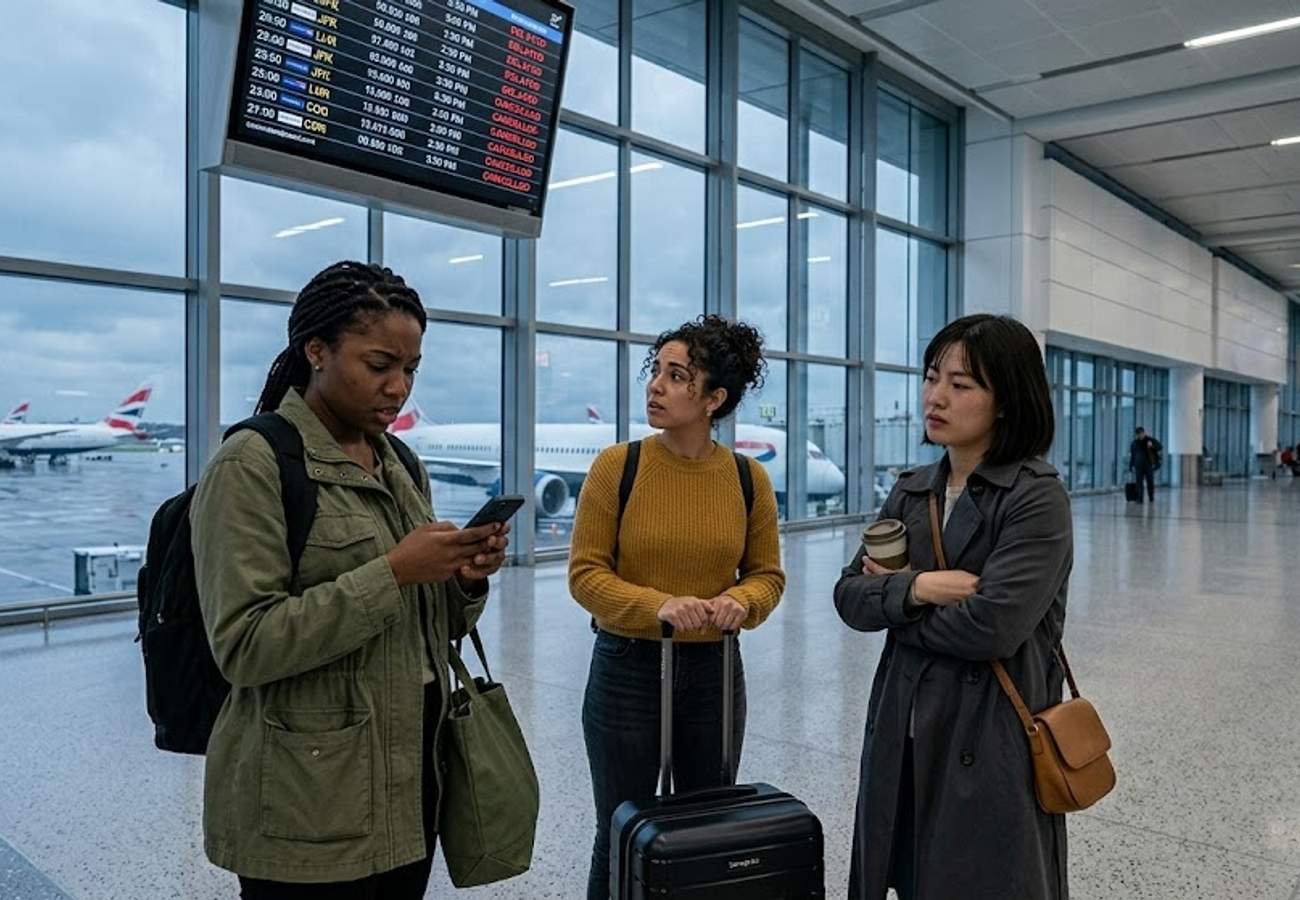
Image generated by AI
Aviation is witnessing a paradoxical crisis in 2026: aircraft are fuller than ever, yet profit margins are collapsing. Leading carriers are discovering that record-breaking passenger volumes no longer guarantee financial solvency.
The global aviation sector has transitioned from a "recovery race" to a "profitability management race." While the post-pandemic surge in travel demand has successfully restored network capacity and flight frequencies, the economics of operating these flights have shifted fundamentally. Major operators across diverse business models—from premium full-service carriers to ultra-low-cost carriers (ULCCs)—are reporting a widening gap between revenue growth and the escalating cost of operations.
The Revenue-Cost Paradox in Global Aviation
The current financial strain is not a result of declining demand. On the contrary, international travel demand remains robust, and airports are reporting peak passenger movements. The crisis stems from a convergence of systemic inflationary pressures that are eroding the gains made from increased ticket sales.
Airlines are currently battling a combination of:
- Fuel and Energy Volatility: Sustained high fuel expenses impacting long-haul margins.
- Labor and Maintenance: Rising employee wages and maintenance inflation.
- Asset Management: Increased aircraft leasing costs and supply chain disruptions affecting fleet availability.
- Regulatory and Infrastructure Fees: Rising airport and navigation charges.
- Macroeconomic Shifts: Currency fluctuations and competitive pricing pressure that limit the ability to pass costs to consumers.
Comparative Analysis of Affected Carriers
The 2026 data reveals that this is an industry-wide phenomenon rather than a failure of specific management teams. Whether a carrier focuses on luxury long-haul travel or regional budget hops, the cost-to-revenue ratio is becoming unsustainable.
Singapore Airlines: The Premium Benchmark
Singapore Airlines, typically a symbol of financial discipline and premium service, reported a first-quarter loss in 2026. This is particularly telling given that the airline saw an 18.6% growth in passenger revenue.
Singapore Airlines 2026 First Quarter Performance
| Financial Indicator | Value/Statistic |
|---|---|
| Revenue | S$5.71 billion |
| Passengers Carried | 10.9 million |
| Passenger Revenue Growth | 18.6% |
| Bottom Line | Quarterly Net Loss |
| Primary Pressures | Fuel costs, operational expenses, Air India investment impact |
Regional and Hybrid Market Pressures
The crisis extends across different geographies and operational models:
- IndiGo (India): Operating in the world's fastest-growing aviation market, IndiGo is carrying record volumes. However, data from India’s Ministry of Civil Aviation confirms that while domestic movement is up, operating expenses are scaling faster than revenue.
- JetBlue (USA): Despite resilient leisure travel demand in the U.S., JetBlue is struggling with higher wages, fleet availability issues, and increased operational complexity.
- Icelandair (International Connector): As a hub-and-spoke operator connecting Europe and North America, Icelandair is heavily exposed to the high costs of long-distance aircraft utilization.
- Volaris (Mexico/Latin America): Even the low-cost model is under threat, with Volaris facing severe pressure from currency movements and fuel exposure.
Summary of Global Airline Financial Challenges 2026
| Airline | Market Position | Passenger Status | Primary Financial Driver |
|---|---|---|---|
| Singapore Airlines | Premium Global | Strong Demand | Cost inflation reducing margins |
| IndiGo | Asia Low-Cost | Record Traffic | Fuel and operating expenses |
| JetBlue | US Hybrid | Demand Recovery | Labor and fleet costs |
| Icelandair | Int'l Connector | Growing Tourism | Long-haul cost exposure |
| Volaris | LatAm Low-Cost | Expanding Volume | Fuel and currency pressure |
Traveler Logistics Guide: Navigating the 2026 Aviation Landscape
From a ground-level perspective, the gap between airline revenue and profit will directly impact the passenger experience. While fares may remain competitive in the short term due to market saturation, travelers should prepare for structural changes.
1. Booking and Fare Stability With airlines struggling to maintain margins, expect a surge in "unbundled" pricing. To avoid hidden costs, book the base fare and manually add baggage or seat selection through the airline's official app rather than at the airport counter, where premiums are highest.
2. Optimal Layover Strategies As carriers like Icelandair and Singapore Airlines optimize aircraft utilization to cut costs, layover windows may become tighter. For international connections, maintain a minimum of 3 hours for transit to account for potential operational delays caused by fleet shortages.
3. Digital Transit Integration To expedite movement through airports and reduce the burden on airline ground staff (who are facing labor pressures), utilize digital transit corridors. Implement Digi Yatra in India or ensure your ETIAS authorization is active for European entries to avoid bottlenecking at immigration.
4. Route Flexibility Airlines are now auditing routes based on profitability rather than just passenger volume. If you are traveling to secondary cities, monitor route announcements closely; "high-demand" routes may be cut if they are deemed "low-profit."
Infrastructure and Regional Impact Assessment
This profitability crisis is forcing a strategic pivot in regional connectivity. We are seeing a shift where airlines are no longer chasing raw growth but are instead prioritizing "yield management."
For tourism hubs, this could mean a reduction in flight frequencies to destinations that do not support premium pricing. Regional governments may be forced to subsidize essential routes to prevent connectivity gaps. The long-term result will likely be a consolidation of carriers, where only those with the most efficient fuel-hedging strategies and youngest, most fuel-efficient fleets will survive.
The era of growth-at-all-costs is over; the era of operational efficiency has arrived.
Related Travel Guides
Disclaimer
This article is for informational and educational purposes only. It does not constitute legal, financial, or professional advice. While we strive to provide accurate and up-to-date information, travel policies, regulations, and conditions change rapidly. Always verify information with official sources before making travel decisions. Nomad Lawyer makes no representations about the accuracy, reliability, completeness, or suitability of the information provided. Readers should consult qualified professionals for advice specific to their circumstances. The views expressed in this article are those of the author and do not necessarily reflect the views of Nomad Lawyer.
Raushan Kumar
Founder & Lead Developer
Full-stack developer with 11+ years of experience and a passionate traveller. Raushan built Nomad Lawyer from the ground up with a vision to create the best travel and law experience on the web.
Learn more about our team →