
Dallas-Fort Worth Airport Chaos: 186 Flights Delayed, 6 Canceled as American Airlines, Delta, Southwest Face Major Disruptions
186 flights delayed and 6 canceled at DFW Airport disrupting American Airlines, Delta, Southwest operations across major US routes to Los Angeles, Chicago, New York, Atlanta, Miami.

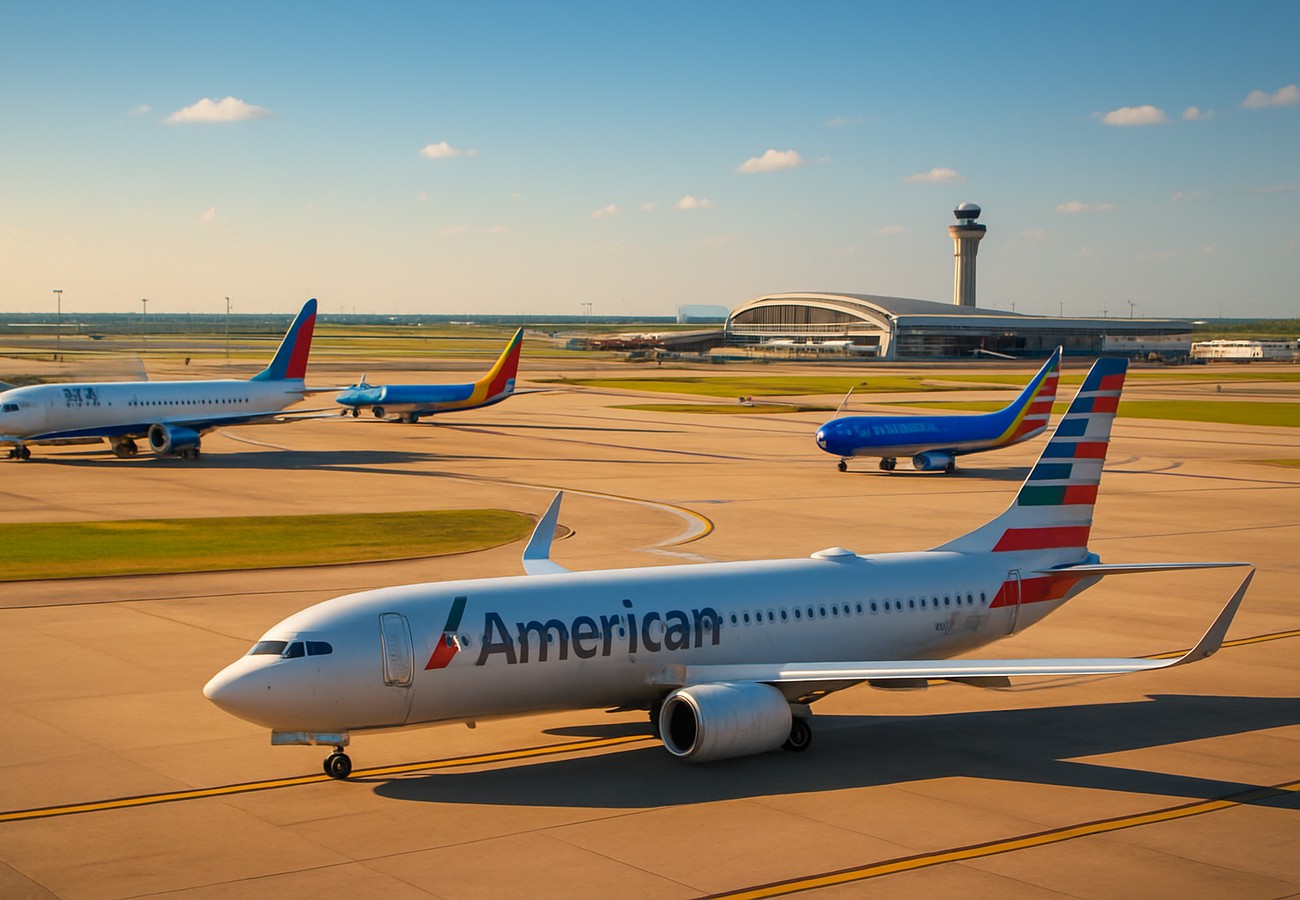
Image generated by AI
Major Travel Disruption at Dallas-Fort Worth International Airport
Dallas-Fort Worth International Airport faced significant operational challenges on April 15, 2026, as 186 flights were delayed and 6 flights were canceled, creating widespread disruptions across one of the United States' busiest aviation hubs. The cascading delays affected thousands of passengers traveling on major carriers including American Airlines, Delta, and Southwest Airlines, with ripple effects extending to key destinations including Los Angeles, Chicago, New York, Atlanta, and Miami.
Understanding the Scale of Disruption at DFW
The concentration of delays and cancellations at Dallas-Fort Worth International Airport underscores the vulnerability of major aviation hubs during peak travel periods. With spring break and busy travel season in full swing, the timing of this disruption proved particularly challenging for the traveling public.
According to real-time monitoring by the Federal Aviation Administration (FAA), the airport experienced ongoing traffic management constraints affecting both departure and arrival schedules. The combination of systemic issues affecting the broader U.S. aviation network and specific operational challenges at DFW created a perfect storm for travel disruption.
Why DFW Became a Critical Bottleneck
Dallas-Fort Worth Airport serves as a strategic connecting point for domestic and international flights, supporting millions of travelers annually. However, its massive traffic flows make it particularly vulnerable to wide-scale delays when operational challenges arise. The airport's role as a major hub for American Airlines amplifies the impact of any disruptions, as connecting passengers throughout the network face cascading delays.
The 186 delayed flights combined with 6 cancellations significantly slowed the movement of travelers across Texas and throughout the United States. These delays contributed to an already fragile travel system where airports nationwide grapple with:
- Weather events and seasonal conditions
- Staffing challenges in air traffic control
- Air traffic management constraints
- Increased passenger volume during peak travel periods
The Real Impact: Passenger Experience During the Disruption
For travelers passing through Dallas-Fort Worth on these disrupted days, the experience extended far beyond simple schedule changes. Passengers reported:
- Extended wait times at gates
- Repeated schedule changes with minimal notice
- Uncertainty regarding connecting flights
- Heightened anxiety, particularly for international travelers
The human cost of this disruption affected diverse traveler segments:
- Families attempting to reunite for holidays
- Business travelers operating on tight schedules
- Holidaymakers looking forward to planned breaks
- International passengers with tight connection windows
Industry insiders characterized this period as "one of the trickiest travel patches in recent DFW history." With travel demand surging during spring break season, even minor delays rippled outward, affecting connections coast-to-coast across the nation.
Broader Aviation System Pressures
The disruption at Dallas-Fort Worth occurred within a context of broader challenges affecting U.S. aviation. Recent months have documented:
- Severe weather systems affecting major airports
- Extensive delay clusters in hubs including Miami, Charlotte, and Phoenix
- Historic pressures on the national air traffic control system
- Staffing shortages in air traffic control positions
National trends—including funding debates and operational constraints—have occasionally weighed on operations, forcing adjustments in flight sequencing and air traffic management strategies. These systemic factors add layers of complexity to already busy flight schedules at major hubs like DFW.
Official Response and Passenger Resources
In response to the disruptions, airlines and government entities issued travel alerts and real-time updates to help passengers navigate the situation. Major carriers provided travel alert pages allowing passengers to:
- Check the impact of delays and cancellations
- Explore rebooking options
- Understand change fee waivers when applicable
The FAA maintains real-time status dashboards and monitoring systems that provide current information on airport conditions. Travelers are advised to monitor flight status directly with airlines and arrive early for security screening and check-in, particularly when disruption is forecast or confirmed.
For current airport conditions and flight status information, passengers can consult the FAA's official airport status resources and individual airline websites.
Economic and Reputational Consequences
The concentration of 186 delays and 6 cancellations at a major airport like Dallas-Fort Worth extends consequences far beyond passenger inconvenience. Economic repercussions affect:
- Airlines operating through the hub
- Airport vendors and concessionaires
- Logistics partners and ground handlers
- Hotels and ground transportation providers
- Local tourism operators
Recurring travel disruptions pose challenges for DFW's reputation as a world-class airport hub, particularly as airports compete globally to offer efficiency, comfort, and high service standards.
What This Means for Travelers
Passengers planning travel through Dallas-Fort Worth International Airport should:
- Monitor flight status regularly through airline apps and websites
- Sign up for real-time notifications from their carriers
- Arrive at the airport earlier than standard recommendations
- Maintain flexibility in travel plans during peak seasons
- Consider alternative routing options when available
- Keep contact information for their airline readily accessible
Looking Ahead: Recovery and Prevention
Industry observers suggest that while short-term delays may persist, airlines and airport management are actively working to streamline operations at DFW. Real-time status boards maintained by the FAA offer one of the best sources for up-to-date conditions on departure and arrival performance, helping passengers make informed travel choices.
Travelers are encouraged to stay alert for updates, sign up for notifications from airlines, and prepare for potential schedule changes—particularly as busy travel periods continue through spring and early summer. Better communication, early planning, and access to the right tools enable passengers to navigate even the most chaotic air travel days.
Conclusion: Navigating Modern Air Travel Complexity
For those flying through Dallas-Fort Worth International Airport during this wave of disruption, the challenges serve as a stark reminder of how complex modern air travel has become. With 186 delays and 6 cancellations confirmed, the DFW travel experience shifted from routine to remarkable, testing the patience of seasoned flyers and first-time passengers alike.
While disruptions remain frustrating, travel experts and airport authorities maintain that such events are part of the evolving fabric of global aviation. With better communication, early planning, and the right tools, passengers can navigate even the most chaotic air travel days successfully.
Related Travel Guides
Disclaimer
This article is for informational and educational purposes only. It does not constitute legal, financial, or professional advice. While we strive to provide accurate and up-to-date information, travel policies, regulations, and conditions change rapidly. Always verify information with official sources before making travel decisions. Nomad Lawyer makes no representations about the accuracy, reliability, completeness, or suitability of the information provided. Readers should consult qualified professionals for advice specific to their circumstances. The views expressed in this article are those of the author and do not necessarily reflect the views of Nomad Lawyer.
Kunal K Choudhary
Co-Founder & Contributor
A passionate traveller and tech enthusiast. Kunal contributes to the vision and growth of Nomad Lawyer, bringing fresh perspectives and driving the community forward.
Learn more about our team →