
Seattle and Top 9 US Cities Report Surge in Tourism Demand for Labor Day Weekend 2026
AAA booking data identifies Seattle as the premier US destination for the 2026 Labor Day holiday, leading a surge in domestic travel across nine major hubs.
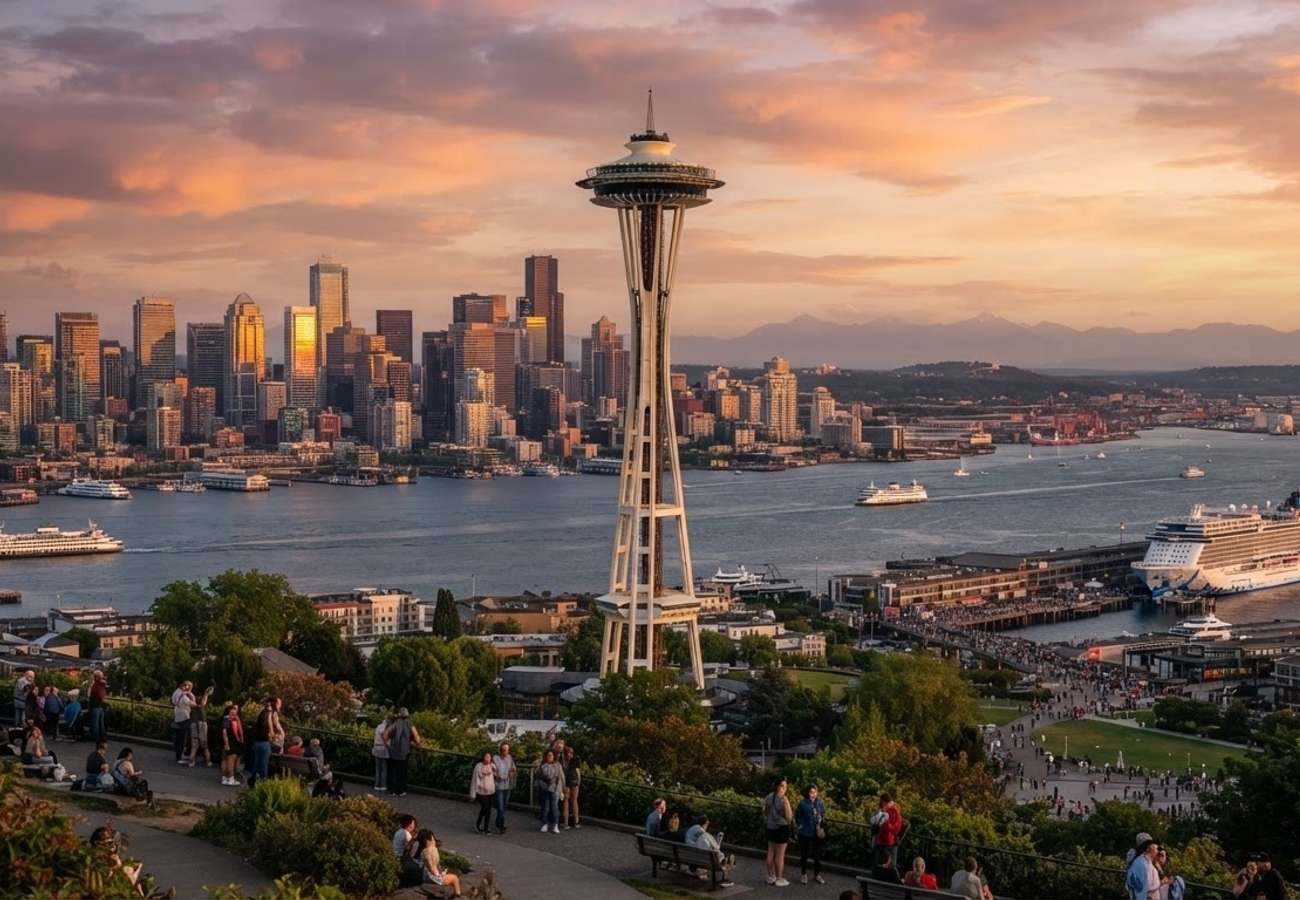
Image generated by AI
Domestic travel demand is peaking for the 2026 Labor Day holiday, with Seattle securing the top spot in AAA booking rankings. Travelers are leveraging the September 4–7 window for a mix of urban exploration, theme park visits, and Alaska cruise connections.
US Urban Tourism Trends for Labor Day 2026
The 2026 Labor Day holiday, falling on Monday, September 7, has triggered a significant spike in domestic travel across the United States. According to data from AAA, the travel window between September 4 and September 7 is seeing diversified demand, shifting away from regional concentration toward a broad spread of leisure, cultural, and outdoor markets.
A primary driver for this surge is the pursuit of "experience-based" tourism. This includes a high volume of bookings for Alaska cruises, national park excursions, and city-specific cultural festivals. Transit patterns indicate a heavy reliance on road travel; AAA reports that Friday, September 4, is projected to be the peak day for car-rental pick-ups, signaling a robust reliance on ground transportation for the holiday weekend.
Top 9 Domestic Destinations and Event Specifications
The following table outlines the primary destinations identified by AAA and the specific draws attracting visitors for the 2026 holiday period.
| Rank | Destination | Primary Draw | Key Event/Attraction | Date/Window |
|---|---|---|---|---|
| 1 | Seattle, WA | Urban/Cruise Gateway | Bumbershoot (Music, Art, Food) | Sept 5–6 |
| 2 | Orlando, FL | Theme Parks/Family | Kissimmee Labor Day Celebration | Sept 4–7 |
| 3 | Boston, MA | Heritage/New England | Whale Watching & Swan Boat Rides | Sept 4–7 |
| 4 | Denver, CO | Urban/Mountain Base | Red Rocks Concerts & Outdoor Exhibits | Sept 4–7 |
| 5 | New York, NY | Global Hub/Culture | Broadway & Major Landmarks | Sept 4–7 |
| 6 | Chicago, IL | Music/Culinary | Chicago Jazz Festival & ARC Music Fest | Sept 3–7 |
| 7 | Anaheim/LA, CA | Entertainment/Beach | Disneyland Halloween Time Launch | Sept 4–7 |
| 8 | Las Vegas, NV | Nightlife/Resorts | Immersive Attractions & DJ Residencies | Sept 4–7 |
| 9 | Anchorage, AK | Nature/Cruise Port | Wildlife Experiences & Alaska Cruises | Sept 4–7 |
Traveler Logistics Guide: Navigating the Holiday Surge
From a ground-level perspective, the best way to navigate the Labor Day weekend is to account for the extreme volatility in rental car availability and airport congestion.
Booking Connections and Layovers For those connecting through hubs like Seattle (SEA) or Atlanta (ATL) to reach their final destination, optimal layover times should be extended to at least 3 hours. Holiday weekends typically see staffing shortages and higher passenger volumes, increasing the risk of missed connections. If you are utilizing Seattle as a gateway for an Alaska cruise, ensure your flight arrives at least 24 hours prior to embarkation to avoid delays caused by the September 4 rental car peak.
Ground Transportation Strategy Since September 4 is the busiest day for car-rental pick-ups, travelers should avoid "on-arrival" bookings. Pre-booking with a guaranteed confirmation number is mandatory to avoid the risk of "sold out" status at airport counters. For those visiting New York or Chicago, utilizing ride-share apps or public transit (MTA/CTA) is significantly more efficient than renting a vehicle due to holiday traffic congestion and limited parking.
Digital Transit Policies Travelers should ensure all digital travel credentials are updated. For those utilizing airports with biometric boarding or digital identity programs (such as those expanding across major US hubs), verifying your digital ID before arriving at the terminal can reduce security wait times by up to 30% during peak holiday surges.
Infrastructure Impact Assessment
The concentration of travel toward these nine cities highlights a continuing trend in "hub-and-spoke" tourism. Seattle and Anchorage, in particular, are seeing their infrastructure stressed by the synergy between urban tourism and the maritime cruise industry. The ability of these cities to act as gateways to larger natural regions (the Pacific Northwest and the Alaskan wilderness) increases the economic impact of the holiday beyond the city limits.
In the Midwest, Chicago's strategy of layering multiple festivals (Jazz, ARC, and North Coast) creates a high-density event environment. This puts immense pressure on local transit and hospitality infrastructure but maximizes the "spend-per-visitor" ratio. Similarly, the transition to seasonal programming in Anaheim—specifically the launch of Halloween Time at Disneyland—demonstrates how strategic timing can extend the summer tourism window into the autumn.
The 2026 Labor Day surge confirms that US travelers are prioritizing high-density experiences and multi-modal transit options to maximize the final summer break.
Related Travel Guides
Disclaimer
This article is for informational and educational purposes only. It does not constitute legal, financial, or professional advice. While we strive to provide accurate and up-to-date information, travel policies, regulations, and conditions change rapidly. Always verify information with official sources before making travel decisions. Nomad Lawyer makes no representations about the accuracy, reliability, completeness, or suitability of the information provided. Readers should consult qualified professionals for advice specific to their circumstances. The views expressed in this article are those of the author and do not necessarily reflect the views of Nomad Lawyer.