
Scotland Corran Ferry £58M Electric Upgrade: Highland Road Trip and Loch Linnhe Crossing Guide

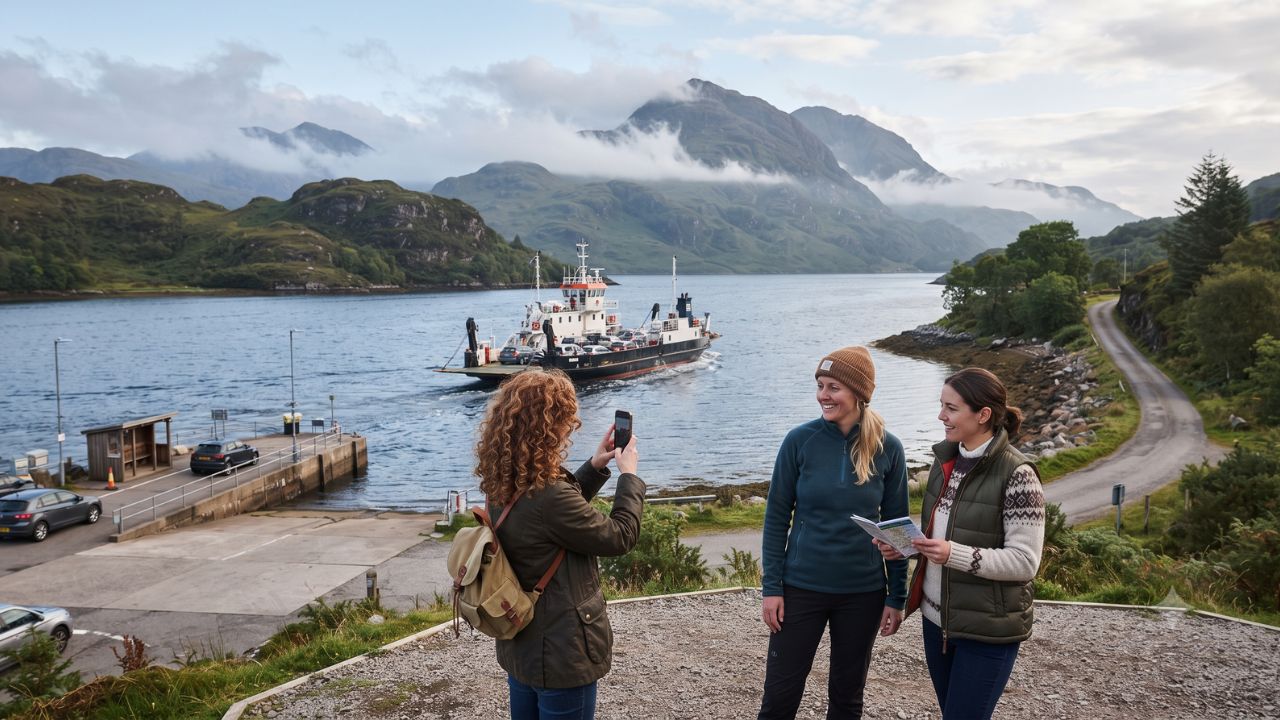
Crossing the Corran Narrows on Loch Linnhe takes just five minutes across 400 metres of tidal water, but if this single vessel stops running, drivers face a grueling two-hour, 42-mile overland detour on winding single-track Highland roads. To permanently resolve the vulnerability of this critical artery seven miles south of Fort William, Highland Council officially launched a single-vessel procurement tender on October 2, 2026, advancing a £58 million zero-emission maritime project supported by Caledonian Maritime Assets Ltd (CMAL). The ambitious infrastructure package aims to deploy a brand-new electric ferry by early 2029, with the dependable existing vessel, MV Corran, transitioning into a permanent relief role to provide uninterrupted year-round resilience.
For road trippers, hikers, and campervan explorers heading toward the remote wilderness of Morvern, Sunart, and the Ardnamurchan Peninsula—the westernmost point of the British mainland—the Corran Ferry represents a lifeline. Understanding the upgrade timeline, queuing protocols, and single-track driving etiquette outlined by VisitScotland ensures a smooth road trip across the West Highlands.
The £58M Loch Linnhe Electrification Project
The Corran Ferry crossing handles an estimated 270,000 cars and 11,000 commercial vehicles and buses each year. Connecting Nether Lochaber on the eastern shore with Ardgour on the western peninsula, the short passage saves motorists tens of thousands of driving miles annually.
The comprehensive £58 million investment combines multi-government funding streams:
- Scottish Government: £28 million dedicated specifically to the construction of the new electric ferry vessel.
- UK Government: £20 million allocated for slipway modifications and landside terminal works.
- Highland Council: £10 million committed toward local infrastructure, approach roads, and vehicle staging areas.
The tender process is designed to deliver a modern vessel capable of overnight high-capacity charging while operating on regular daylight ferry rotations. By partnering with CMAL, the council ensures the vessel meets stringent naval architectural standards tailored to the strong currents and narrow topography of the Loch Linnhe tidal strait. Official project updates and transit details are published by Highland Council.
| Project Milestone / Parameter | Target Delivery Schedule | Financial / Operational Scope | Key Travel Impact |
|---|---|---|---|
| Tender Launch | October 2, 2026 | Formal procurement opened via CMAL | Advances supplier selection for shipbuilders |
| Vessel Contract Award | March 2027 (Target) | Dedicated electric propulsion build | Confirms shipyard and manufacturing specifications |
| Landside Works Completion | June 2027 (Target) | Slipway expansion & queuing bays | Reduces spillover traffic along the A82 corridor |
| EV Charging Commissioning | September 2028 (Target) | High-output shore charging grid | Powers zero-emission crossings on Loch Linnhe |
| Electric Ferry Launch | Early 2029 (Target) | £58M total project capital | Provides quiet, high-frequency vehicle transits |
| Relief Vessel Backup | Post-2029 Operations | MV Corran assigned as relief | Eliminates single-vessel vulnerability during refits |
| Annual Vehicle Capacity | Operational Baseline | ~270,000 cars & 11,000 buses/trucks | Essential connection for Morvern and Ardnamurchan |
| Crossing vs Detour Time | 5-Minute Sail (400m) | 2-Hour Road Detour (42 Miles) | Avoids single-track detour via A830 and A861 |
What Makes the Ardgour and Ardnamurchan Crossing Unique
The Corran Ferry is not merely a regional transit shortcut; it is the physical gateway to one of Europe's wildest Atlantic coastal regions. Once vehicles disembark at Ardgour slipway, the fast pace of the A82 trunk road disappears, replaced by ancient oak woodlands, secluded sea lochs, and coastal mountains managed under conservation programs by NatureScot.
Traveling across this crossing unlocks remarkable geographic highlights:
- Ardnamurchan Point and Lighthouse: The true westernmost tip of the British mainland, where granite cliffs plunge into the Atlantic and panoramic views stretch to the Inner Hebrides islands of Muck, Eigg, Rùm, and Skye.
- Sunart Oakwoods National Nature Reserve: A globally rare temperate rainforest containing ancient sessile oaks, rare lichens, and mosses sustained by hyper-oceanic rainfall.
- Loch Sunart Marine Protected Area: Deep fjord-like waters home to otters, common seals, white-tailed sea eagles, and rare flame shell beds.
- Isolated Crofting Communities: Historic settlements like Strontian (the mining village that gave the element strontium its name), Salen, and Kilchoan preserve quiet Gaelic cultural traditions.
Visitor Insider Tips
To navigate the current Corran Ferry service and plan road trips across West Lochaber, use these field-tested insider recommendations:
- Navigating Boarding Queues: The ferry operates on a strictly first-come, first-served basis; advance reservations are not possible. On sunny summer weekends and weekday commuter rush hours (07:45–09:00 and 16:30–18:00), queues on the Nether Lochaber slipway can back up toward the A82. Arrive 20 to 30 minutes before your planned crossing.
- Priority Boarding Rules: Scheduled service buses and emergency service vehicles receive statutory boarding priority. If an ambulance arrives, traffic marshals will hold general vehicle boarding to load emergency responders first.
- Single-Track Road Etiquette: West of Ardgour, roads convert to single-track routes with designated passing places. Always pull into passing places on your left. If the passing place is on your right, pause parallel to it on the left so approaching cars can maneuver around you. Never cross the road into a right-side passing place.
- Campervan and Motorhome Reversing: Drivers of wide motorhomes must be confident in reversing into passing places. If a convoy of three or more vehicles gathers behind you, pull into the next passing place on your left to let faster local drivers overtake.
- Fuel and Grocery Planning: Fill your fuel tank in Fort William before crossing the loch. Petrol stations in Strontian and Kilchoan have limited opening hours, and EV fast-charging stations across Ardnamurchan are sparse until the 2028 infrastructure rollout completes.
Cultural and Environmental Context
For the residents of Morvern, Sunart, and Ardnamurchan, the Corran Ferry is an indispensable link for daily schooling, medical visits at Belford Hospital in Fort William, and regional food supplies. When mechanical failures sidelined the single ferry in previous years, the economic impact on local crofters, seafood exporters, and tourism guesthouses was severe.
Transitioning to a 100% electric ferry vessel directly aligns with Scotland’s net-zero maritime commitments. Replacing marine diesel consumption across 270,000 annual car journeys protects the clean waters of Loch Linnhe, while the dual-vessel operating model ensures that remote communities are never again cut off from vital mainland services. Responsible visitors can contribute by shopping at community-owned village stores in Strontian and respecting wildlife habitats across the peninsula.
FAQ: Crossing Loch Linnhe on the Corran Ferry
Is the new electric Corran Ferry operating right now?
No. Procurement opened in October 2026, with the electric vessel scheduled to enter service in early 2029 following slipway modifications and charger installations.
Can I book a specific crossing time in advance?
No. The Corran Ferry operates continuously on a first-come, first-served basis throughout the day without pre-bookable time slots.
How long does the road detour take if the ferry is closed?
If the ferry is out of service, the overland driving detour around Loch Eil via the A830 and A861 takes approximately two hours across 42 miles of single-track road.
Are foot passengers and cyclists allowed on the ferry?
Yes. Foot passengers and cyclists are welcomed aboard the short five-minute crossing, offering a convenient connection for long-distance bike touring routes.
Whether catching the morning sea mist over Loch Linnhe or motoring westward into the ancient oakwoods of Sunart, the Corran crossing remains the quintessential threshold to the wild Scottish Highlands.
Related Travel Guides
- UK Guided and Solo Travel Surge 2026: G Touring Expands Trade Operations for Travelsphere and Just You
- Greece Island Travel Shift 2026: Samos, Skiathos, and Kefalonia Surge as Major Hubs Navigate Shorter Stays
- Brazil US Consular Shutdown 2026: Lost Passport Protocols and Air Travel Guide for Americans
- Georgia Holds Top 5 US Overnight Tourism Spot for Sixth Year as Mexico and Brazil Drive Americas Travel Growth
Disclaimer
This article is for informational and educational purposes only. It does not constitute legal, financial, or professional advice. While we strive to provide accurate and up-to-date information, travel policies, regulations, and conditions change rapidly. Always verify information with official sources before making travel decisions. Nomad Lawyer makes no representations about the accuracy, reliability, completeness, or suitability of the information provided. Readers should consult qualified professionals for advice specific to their circumstances. The views expressed in this article are those of the author and do not necessarily reflect the views of Nomad Lawyer.
Raushan Kumar
Founder & Lead Developer
Full-stack developer with 11+ years of experience and a passionate traveller. Raushan built Nomad Lawyer from the ground up with a vision to create the best travel and law experience on the web.
Learn more about our team →