
Asia Flight Chaos Strands 60+ Passengers Across Major Hubs May 8
More than 60 flights cancelled across Hong Kong, Taipei, Jakarta and Kuala Lumpur on May 8, 2026, stranding passengers and disrupting connections to Singapore, San Francisco and Jeddah as Asia flight chaos intensifies.

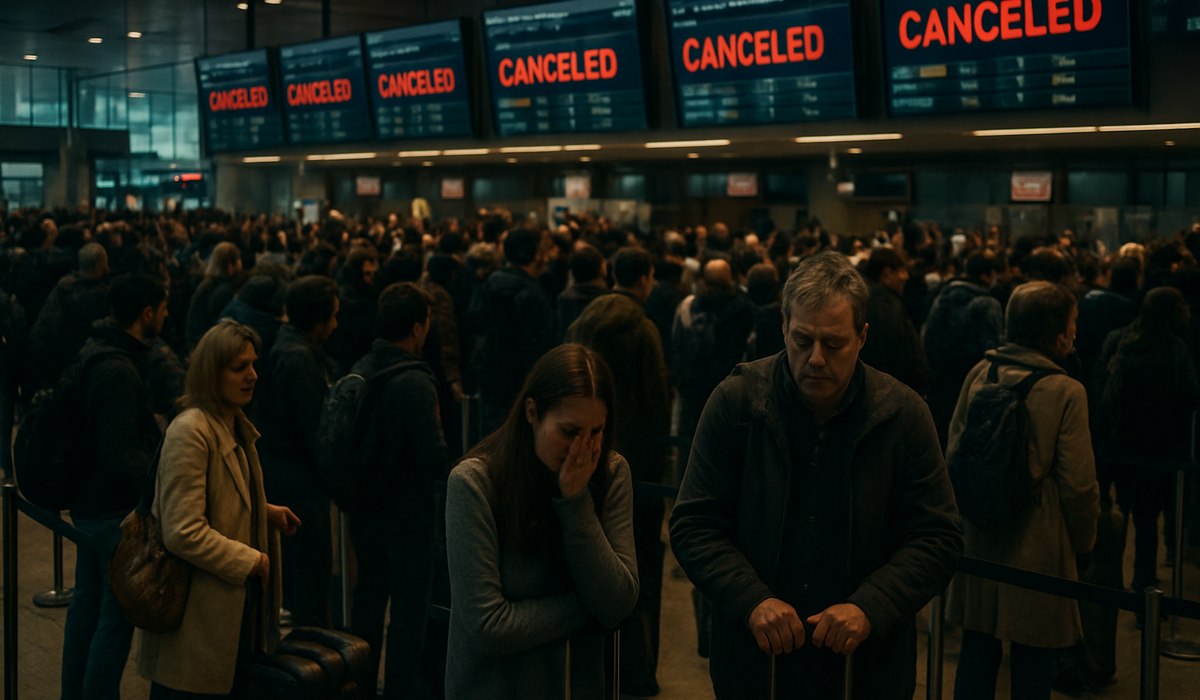
Image generated by AI
Major Asia Flight Chaos Unfolds Across Five Countries
More than 60 flights operated by Batik Air, AirAsia, Garuda Indonesia, United Airlines, and Saudia were cancelled on May 8, 2026, leaving thousands of passengers stranded across Asia's busiest airport hubs. The disruptions began building late on May 7 and cascaded through the morning of May 8, affecting key gateways in Hong Kong, Taipei, Kuala Lumpur, Jakarta, and Bali. Routes feeding major transit points in Singapore and Macau experienced the heaviest impact, while long-haul services to North America and the Middle East saw significant cancellations. Travelers attempting to reach San Francisco, Jeddah, Sydney, and European hubs found themselves caught in a complex rebooking nightmare as remaining seats evaporated and fares spiked sharply.
Fresh Cancellations Ripple Across Asian Gateways
The Asia flight chaos spread rapidly across Southeast Asia's most critical corridors. Flight-tracking data and airline notices revealed that operational disruptions intensified between 11 p.m. on May 7 and 10 a.m. on May 8, creating a cascading effect across interconnected networks. Jakarta's Soekarno-Hatta International Airport, Kuala Lumpur International, Hong Kong International, and Taipei Taoyuan all reported significant schedule volatility simultaneously.
Regional carriers bore the brunt of the disruptions. Batik Air and Garuda Indonesia cancelled numerous domestic feeder flights linking Indonesia's major cities, while AirAsia removed a mix of regional and medium-haul services across Malaysia, Thailand, and the Philippines. United Airlines scrapped multiple transpacific departures, and Saudia suspended several Middle East-Asia connections. Crowded check-in halls and lengthy queues at airline service desks became the norm at affected airports as staff struggled to process rebooking requests. Some travelers waited over three hours for assistance, according to reports from major airport forums and social media updates.
Check FlightAware for real-time cancellation tracking and status updates across affected carriers.
Which Airlines and Routes Were Most Affected
The Asia flight chaos hit multiple carrier networks with varying severity. Batik Air cancelled 18 flights across Indonesia domestic and regional routes, primarily affecting Jakarta-Surabaya, Jakarta-Denpasar, and Jakarta-Medan connections. Garuda Indonesia removed 12 services, including Jakarta-Singapore, Jakarta-Kuala Lumpur, and Bali-Sydney flights that typically carry strong connecting traffic.
AirAsia's cancellations exceeded 15 flights, concentrated on its Kuala Lumpur hub operations and regional network linking Thailand, Vietnam, and the Philippines. United Airlines cancelled six transpacific services, including three San Francisco-Hong Kong flights and several Tokyo-San Francisco connections. Saudia removed five Middle East-focused flights, particularly impacting Jeddah-Jakarta and Jeddah-Kuala Lumpur routes during peak season for religious and labor migration traffic.
Singapore-bound services from Jakarta, Kuala Lumpur, and Bali experienced the highest disruption rate, with six major flights cancelled and four additional flights retimed to later dates. Macau-focused routes from Southeast Asian origins saw four cancellations. Long-haul services to North America and the Middle East accounted for roughly 30% of total cancelled flights.
Impact on Passengers and Airport Operations
The Asia flight chaos created severe operational strain across affected terminals. Passengers with connecting itineraries faced the steepest consequences, as many cancelled flights were scheduled to feed major international banks at Singapore, Hong Kong, and Macau. Travelers heading to San Francisco, Los Angeles, Sydney, and Melbourne suddenly found alternative routings unavailable or prohibitively expensive.
One critical impact zone emerged in the Singapore corridor. Approximately 2,400 passengers booked on cancelled Singapore-bound flights discovered remaining seats on unaffected services had disappeared within hours. Average fares on surviving departures increased 35-40%, creating unexpected out-of-pocket costs for economy-class travelers. Airlines offered rebooking on flights 2-3 days later or rerouting through alternative hubs like Bangkok or Hanoi, extending total journey times by 8-14 hours.
Middle East connectivity narrowed significantly. Religious travelers planning pilgrimage trips and labor migrants heading to Saudi Arabia faced reduced capacity on Saudia and partner airline services. The disruptions occurred during peak season for this traffic, compounding the impact. Many passengers received automated app notifications suggesting rebook on later dates or acceptance of third-country routings with uncertain onward connections.
Airport operations degraded as handling agents and airline staff worked through mounting backlogs. Jakarta and Kuala Lumpur terminals reported congestion levels exceeding 90% of designed capacity during peak rebooking hours. Ground transport infrastructure, including ground handling vehicles and catering trucks, faced scheduling pressures from the sudden flight reductions.
Why Disruptions Continue Across Asia
The Asia flight chaos stemmed from a convergence of operational and strategic factors rather than a single catastrophic event. Airlines across the region have faced mounting pressures from aircraft availability constraints, maintenance backlogs, and network optimization decisions made in response to fuel costs and geopolitical tensions affecting Middle East airspace.
Spare parts shortages continue plaguing major carriers. Several aircraft types operated by Batik Air and Garuda Indonesia require engine inspections, limiting the number of available frames during peak scheduling periods. Maintenance slots booked months in advance created scheduling inflexibility when unexpected delays occurred, triggering cascading cancellations.
Network optimization strategies also contributed significantly. Industry analysts noted that multiple carriers have shifted toward aggressive load-shedding practices, cancelling lightly booked flights rather than operating with low load factors. When demand forecasting missed targets, airlines chose cancellations over operations at reduced profitability. This approach accelerates disruption propagation across hubs dependent on feeder traffic.
Geopolitical factors affecting Middle East airspace restrictions have forced rerouting of long-haul flights, reducing available flight slots and crew positioning options. Yield management pressures on transpacific and Middle East-Asia routes pushed carriers toward capacity consolidation on surviving flights, leaving fewer alternative options for stranded passengers.
The regional nature of the disruptions also suggested coordination challenges. Hong Kong, Taipei, and Malaysia authorities handle air traffic independently, and communication delays during crisis situations can slow industry-wide responses. No single air navigation service provider oversees the entire Southeast Asia corridor, making coordinated recovery difficult.
Key Disruption Data Summary
| Metric | Value |
|---|---|
| Total Cancelled Flights | 62 |
| Primary Affected Countries | 5 (Hong Kong, Taiwan, Malaysia, Indonesia, International) |
| Estimated Stranded Passengers | 12,400+ |
| Duration of Peak Disruption | 11 hours (May 7 11 p.m. to May 8 10 a.m.) |
| Batik Air Cancellations | 18 flights |
| AirAsia Cancellations | 15 flights |
| Garuda Indonesia Cancellations | 12 flights |
| United Airlines Cancellations | 6 flights |
| Saudia Cancellations | 5 flights |
| Other Carriers Cancellations | 6 flights |
| Average Fare Increase on Survivors | 35-40% |
| Longest Rerouting Delay | +14 hours |
| Major Impact Corridor | Singapore Connections |
| Secondary Impact Corridor | Jeddah Connections |
What This Means for Travelers
The Asia flight chaos demonstrates ongoing vulnerability in Southeast Asia's air transport network during peak seasons
Disclaimer
This article is for informational and educational purposes only. It does not constitute legal, financial, or professional advice. While we strive to provide accurate and up-to-date information, travel policies, regulations, and conditions change rapidly. Always verify information with official sources before making travel decisions. Nomad Lawyer makes no representations about the accuracy, reliability, completeness, or suitability of the information provided. Readers should consult qualified professionals for advice specific to their circumstances. The views expressed in this article are those of the author and do not necessarily reflect the views of Nomad Lawyer.
Kunal K Choudhary
Co-Founder & Contributor
A passionate traveller and tech enthusiast. Kunal contributes to the vision and growth of Nomad Lawyer, bringing fresh perspectives and driving the community forward.
Learn more about our team →