
Scandinavian Airlines Expands Global Reach With New Codeshare Agreements and SkyTeam Integration in 2026
Scandinavian Airlines (SAS) is transforming international travel in late 2026 through strategic codeshare agreements with Aerolíneas Argentinas and Garuda Indonesia, alongside a deepening corporate tie with Air France-KLM.

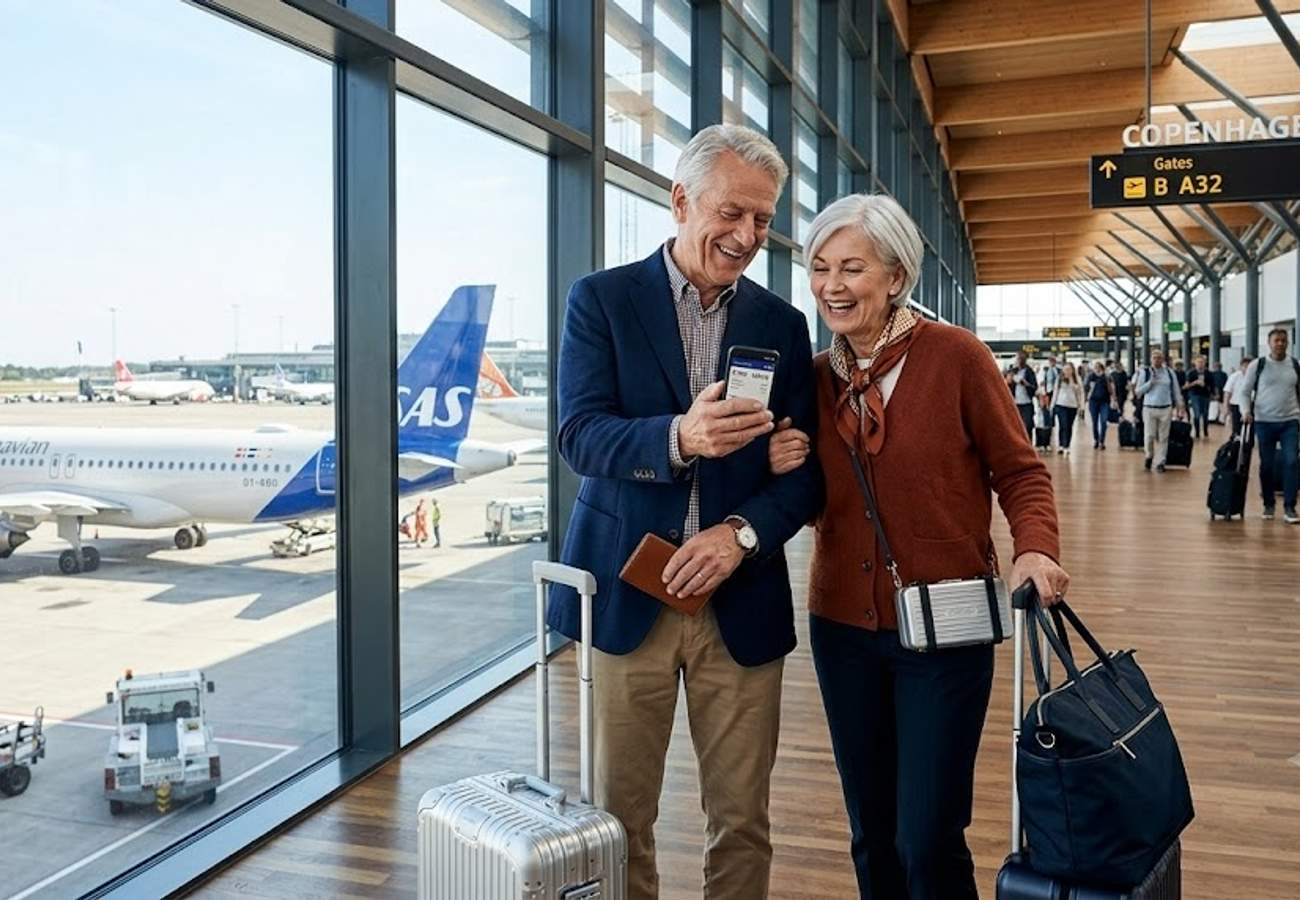
Image generated by AI
[Copenhagen, July 29, 2026] — Scandinavian Airlines (SAS) is executing a massive overhaul of its global connectivity strategy for the remainder of 2026, leveraging its membership in the SkyTeam Alliance to bridge Northern Europe with South America and Southeast Asia. Through a series of high-impact codeshare agreements and corporate restructuring, the carrier is positioning Copenhagen Airport (CPH) as a primary gateway for multi-continent transit.
The strategic shift focuses on "network amplification" rather than the immediate launch of new owned routes. By integrating its ticketing and scheduling with international partners, SAS is effectively expanding its reach into markets like Buenos Aires, Bangkok, and Jakarta without the capital expenditure of new aircraft deployments.
Strategic Network Growth via SkyTeam Integration
The second half of 2026 marks a pivotal transition for Scandinavian Airlines as it fully embeds itself within the SkyTeam Alliance. This membership has shifted the airline's growth model toward deep commercial integration. Instead of focusing on isolated destination launches, SAS is prioritizing alliance synergy to offer passengers unified booking platforms and shared baggage handling.
For the traveler, this means the friction of international transfers is significantly reduced. The airline is utilizing coordinated schedules and reciprocal loyalty benefits to ensure that journeys from Scandinavia to distant global regions feel like a single, continuous trip rather than a series of disconnected flights.
Copenhagen Airport as a Northern European Transit Hub
Central to this expansion is the elevated role of Copenhagen Airport (CPH). As SAS signs more international partnerships, Copenhagen is evolving into a critical transfer point that links the Nordic region with North America, Asia, and South America.
The geographic advantage of CPH allows SAS to optimize onward connections for SkyTeam partners. This hub-centric approach is designed to make the airline a dominant network carrier in Northern Europe, streamlining the flow of passengers between the Scandinavian peninsula and the rest of the world.
New South American Connectivity via Aerolíneas Argentinas
One of the most significant operational updates for late 2026 is the formal commercial partnership between SAS and Aerolíneas Argentinas. This agreement is slated for implementation during the third quarter of 2026, with a projected rollout in August or September, pending final regulatory approvals.
This partnership creates a seamless aviation bridge between Northern Europe and South America. The cooperation is built on a reciprocal codeshare model:
- European Access: Aerolíneas Argentinas will apply its AR designator code to SAS flights connecting Copenhagen, Stockholm, and Oslo with Madrid and Rome.
- South American Access: SAS will apply its SK designator code to Aerolíneas Argentinas flights operating between Buenos Aires and the European hubs of Madrid and Rome.
| Feature | SAS & Aerolíneas Argentinas Agreement |
|---|---|
| Implementation Date | August/September 2026 |
| Primary Hubs | Copenhagen, Buenos Aires, Madrid, Rome |
| Designator Codes | SK (SAS) and AR (Aerolíneas Argentinas) |
| Key Benefit | Single-ticket booking from South America to Scandinavia |
| Loyalty Integration | EuroBonus and Aerolíneas Plus reciprocal accrual |
Expanding the Southeast Asian Bridge with Garuda Indonesia
SAS is also entering a new phase of its partnership with Garuda Indonesia. While initial codeshare operations began in June 2026, a broader structural expansion is confirmed for the Winter 2026/2027 season.
Currently, passengers can travel between Scandinavia and Indonesian cities such as Jakarta and Bali via coordinated services through Tokyo Haneda and Amsterdam. However, the upcoming winter schedule introduces a significant strategic change: Bangkok will officially become an additional connecting hub.
The addition of Bangkok as a transfer point provides passengers with more routing flexibility and increases the overall resilience of the network. This move strengthens the "aviation bridge" between Southeast Asia and Northern Europe, catering to both high-yield business travel and the growing leisure demand in the region.
Air France-KLM Corporate Integration and Ownership Shift
Parallel to these network expansions, the corporate relationship between SAS and Air France-KLM is reaching a new milestone. Following the airline's entry into SkyTeam, the two entities have moved beyond simple codesharing toward deeper operational alignment.
Industry reports indicate that Air France-KLM is on track to increase its ownership stake in Scandinavian Airlines to 60.5 per cent. This transaction is expected to be finalized in the closing months of 2026. This majority share acquisition is intended to create a more cohesive operational structure, allowing for joint long-term planning and more aggressive network integration across the European continent.
Why This Matters: The Impact on the Global Traveler
From a logistical standpoint, these developments represent a shift from "point-to-point" thinking to "ecosystem" travel. For the passenger, the primary benefit is the elimination of "interlining" headaches—the need to book separate tickets, check in multiple times, or manually transfer luggage between different airlines.
For the digital nomad or the international business traveler, the integration of EuroBonus with Aerolíneas Plus and the expanded SkyTeam footprint means that loyalty rewards are now more liquid and valuable across four continents. Furthermore, the use of Bangkok and Copenhagen as strategic pivots reduces total travel time and provides more "fail-safe" routing options if a primary hub experiences delays.
Legally and commercially, the Air France-KLM stake increase suggests that SAS is moving away from being a regional player and is instead becoming a core component of a European aviation powerhouse. This should lead to more standardized service levels and more competitive pricing on long-haul routes connecting the Nordics to the Global South.
The integration of these networks signals a new era of seamless, single-ticket global mobility.
Related Travel Guides
Disclaimer
This article is for informational and educational purposes only. It does not constitute legal, financial, or professional advice. While we strive to provide accurate and up-to-date information, travel policies, regulations, and conditions change rapidly. Always verify information with official sources before making travel decisions. Nomad Lawyer makes no representations about the accuracy, reliability, completeness, or suitability of the information provided. Readers should consult qualified professionals for advice specific to their circumstances. The views expressed in this article are those of the author and do not necessarily reflect the views of Nomad Lawyer.
Preeti Gunjan
Contributor & Community Manager
A passionate traveller and community builder. Preeti helps grow the Nomad Lawyer community, fostering engagement and bringing the reader experience to life.
Learn more about our team →