
Geopolitical Conflicts Create New Flight Routes, Adding Hours to European-Asian Air Corridors
Breaking airline news and aviation industry updates for 2026.

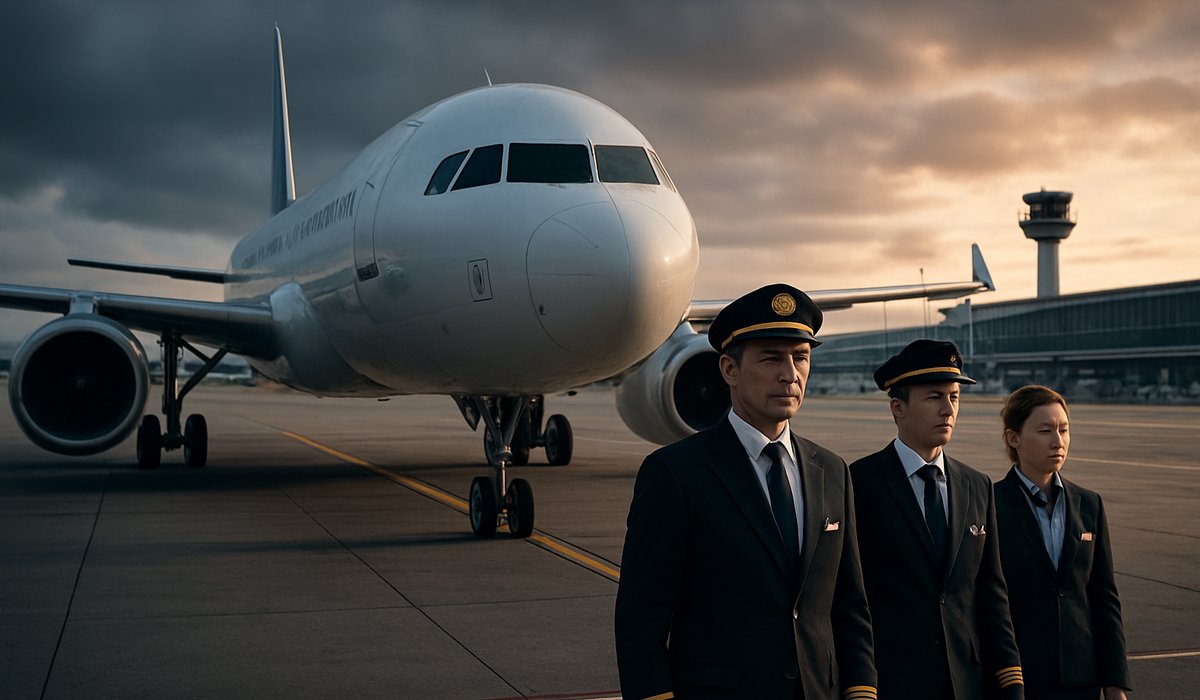
Image generated by AI
Geopolitical Conflicts Create New Flight Routes, Adding Hours to European-Asian Air Corridors
Rising tensions over Ukraine and Iran force airlines to navigate treacherous skies, extending journey times and straining global aviation networks
Conflict Zones Reshape Major Aviation Pathways
Escalating geopolitical tensions across Eastern Europe and the Middle East are fundamentally altering international air traffic patterns, with flights between Europe and Asia now facing significant detours that add hours to previously efficient routes. The ongoing military conflict in Ukraine and broader regional instability centered on Iran have effectively closed traditional flight corridors, forcing carriers to adopt limited alternative pathways that are themselves fraught with operational risks.
Airlines operating transatlantic and Asia-bound services now navigate what industry analysts describe as "constrained corridors"—narrow air lanes that squeeze traffic volumes while extending flight durations, increasing fuel consumption, and elevating operational costs across the sector.
Dual Crisis Creating Aviation Bottlenecks
The Ukrainian conflict and Iran-related tensions represent the two most consequential no-fly zones affecting international aviation today. Airlines have been compelled to abandon the most direct routing options across Eastern European and Middle Eastern airspace—corridors that historically offered fuel-efficient pathways and reduced flight times.
"These unavoidable detours are creating unprecedented challenges for global air traffic management," explained one senior aviation operations specialist. The rerouted flights now consume additional jet fuel while navigating alternative corridors with limited capacity, forcing scheduling complications and operational inefficiencies across major carriers.
Impact on Jet Fuel Costs and Passenger Fares
The extended flight paths directly translate to higher aviation fuel consumption—a critical factor affecting airline economics and ticket pricing. With already volatile jet fuel prices compounded by these longer routes, carriers face mounting pressure to adjust baggage fees, fuel surcharges, and ancillary airline fees to offset increased operational expenses.
Major carriers serving European-Asian routes have begun reassessing their fee structures, with baggage charges and seat selection fees becoming increasingly competitive as airlines seek to maintain profitability amid constrained margins.
Industry-Wide Consequences
Beyond individual airline operations, the aviation industry confronts broader supply chain disruptions affecting aircraft maintenance schedules, crew scheduling, and network optimization. The compression of viable air corridors reduces flexibility for route planning and limits strategic alternatives for major global carriers.
Geopolitical tensions continue shaping aviation economics in ways unprecedented during the post-Cold War era, with no immediate resolution in sight for either conflict zone.
Frequently Asked Questions
How do no-fly zones affect airline baggage fees? Extended flight routes increase fuel consumption, prompting carriers to raise ancillary charges, including baggage fees, to maintain operational profitability.
Which flights are most affected by the Ukraine and Iran conflicts? European-to-Asia routes face the most significant impact, particularly those traditionally routing through Eastern European and Middle Eastern airspace.
Are jet fuel prices driving higher ticket costs? Yes. Extended routing requirements increase per-flight fuel consumption, contributing to overall ticket price increases alongside volatile global fuel markets.
How much longer are affected flights taking? Route extensions vary by destination, but analysts report additional flight times ranging from 30 minutes to several hours depending on specific detours required.
Will these aviation disruptions continue long-term? Without resolution in Ukraine or de-escalation of Iran-related tensions, aviation industry experts anticipate these routing constraints will persist indefinitely, fundamentally reshaping transatlantic and Asian aviation networks.
Related Travel Guides
Flight Delay Compensation Guide 2026
Understanding Airline Route Changes
Airport Security Process Updated (2026)
External Resources
Disclaimer
This article is for informational and educational purposes only. It does not constitute legal, financial, or professional advice. While we strive to provide accurate and up-to-date information, travel policies, regulations, and conditions change rapidly. Always verify information with official sources before making travel decisions. Nomad Lawyer makes no representations about the accuracy, reliability, completeness, or suitability of the information provided. Readers should consult qualified professionals for advice specific to their circumstances. The views expressed in this article are those of the author and do not necessarily reflect the views of Nomad Lawyer.
Kunal K Choudhary
Co-Founder & Contributor
A passionate traveller and tech enthusiast. Kunal contributes to the vision and growth of Nomad Lawyer, bringing fresh perspectives and driving the community forward.
Learn more about our team →