
Saudi Arabia Summer Travel Trends 2026: Georgia, Vietnam, and China Emerge as Top New Destinations
Saudi Arabian travelers are redrawing the global tourism map in 2026, shifting from traditional European hubs toward emerging frontiers in Georgia, Vietnam, and China driven by a demand for cultural depth and direct connectivity.

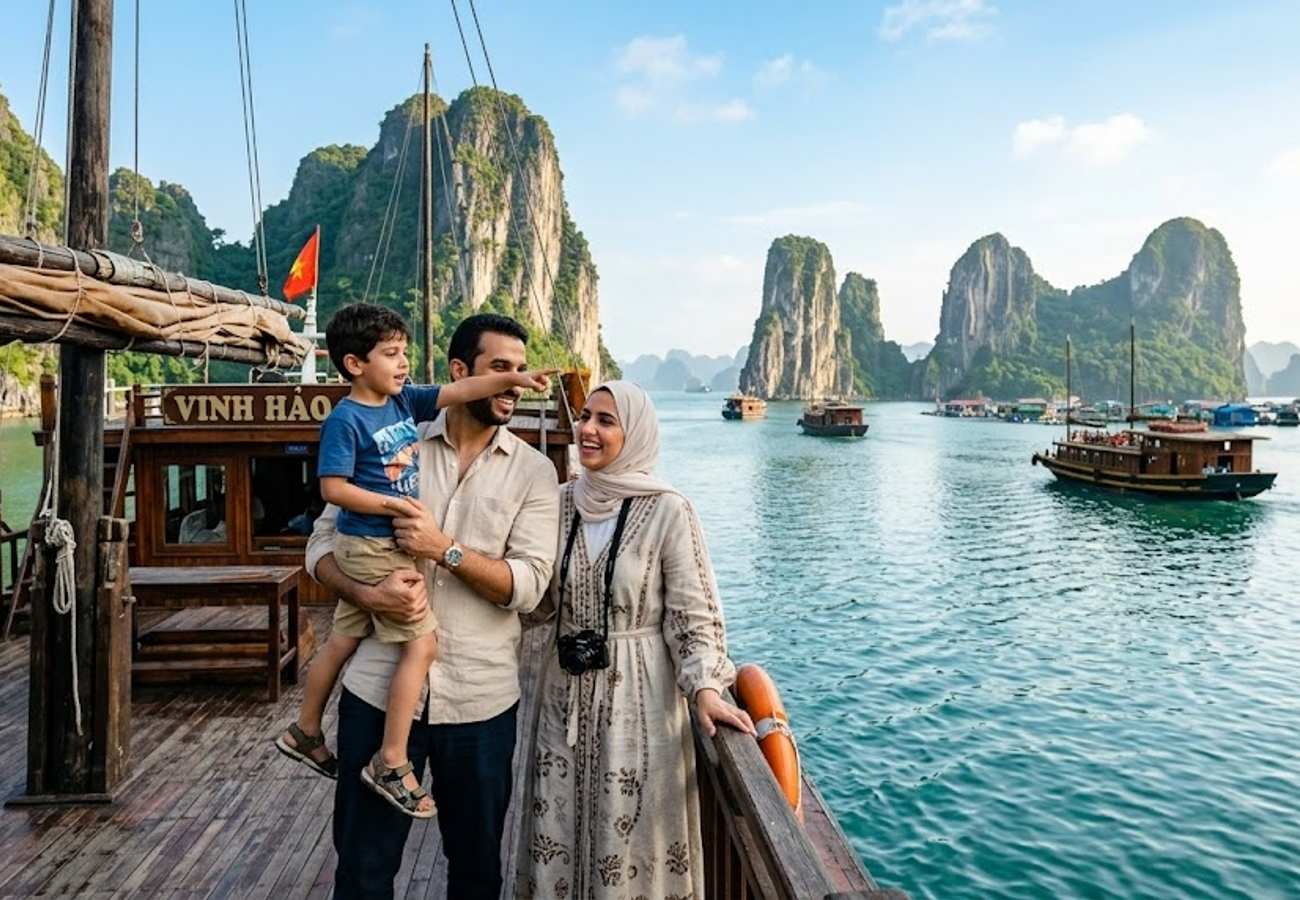
Image generated by AI
Saudi holidaymakers are abandoning the predictable in favor of the profound, with 2026 data revealing a massive pivot toward the Caucasus and Southeast Asia. This shift marks a transition from "status-symbol" tourism to experience-driven exploration, where value is measured by cultural immersion rather than proximity.
The Local Trend Revealed: The Rise of the Experience-Driven Traveler
The traditional Saudi summer holiday—once dominated by a few select European cities and nearby regional hubs—is undergoing a fundamental transformation. According to recent insights from Wego, there is a distinct move toward destinations that offer a blend of nature, heritage, and family-centric luxury.
While Türkiye, Morocco, and Jordan remain staples due to their seamless blend of heritage and leisure, a new tier of "frontier" destinations is gaining traction. Georgia and Azerbaijan are now primary alternatives for those seeking to escape the Middle Eastern heat, offering cooler mountain climates and unique outdoor activities that contrast sharply with the urban luxury of traditional hubs.
The Asian Breakthrough: Vietnam and China
The most significant disruption in 2026 travel patterns is the surge in interest toward Southeast Asia, specifically Vietnam. No longer viewed as too distant for a standard summer break, Vietnam has become a breakthrough success by balancing affordability with high-end adventure.
- Vietnam's Appeal: Travelers are splitting their time between the cultural heritage of Hanoi, the urban energy of Ho Chi Minh City, and the coastal serenity of Da Nang and Ha Long Bay.
- China's Pivot: Historically viewed as a destination for trade and business, China is successfully rebranding as a leisure powerhouse. Saudi visitors are now bypassing the boardrooms of Beijing, Shanghai, and Guangzhou in favor of the country's ancient landmarks and natural wonders.
This trend indicates that Saudi families are now willing to endure longer flight times if the destination provides a "richer" overall value proposition—combining luxury accommodation with authentic local engagement.
Cultural & Environmental Value: Shifting the Impact
For the visitor, the real impact of this shift is a move away from "over-tourism" in Western Europe toward regions where their presence provides a more direct boost to local economies. By diversifying their destination lists, Saudi travelers are supporting the growth of tourism infrastructure in the Caucasus and Southeast Asia.
This evolution is closely tied to the concept of "seamlessness." The competitiveness of a destination in 2026 is no longer just about the sights; it is about the friction of the journey. The destinations winning the most growth are those that have streamlined visa processes and improved arrival experiences, turning the logistics of travel into a stress-free prelude to the vacation.
Visitor Insider Tips: Navigating the New Frontiers
For those following the Saudi trend into these emerging markets, local expertise is key to a successful trip:
- Georgia's Off-Peak Window: While summer is popular, visiting the mountainous regions of Stepantsminda or Mestia in late August allows you to avoid the peak July crowds while still enjoying mild weather.
- Vietnam Dining Etiquette: When visiting Hanoi or Ho Chi Minh City, seek out "hidden" cafes in the alleyways (Hẻm) for the most authentic coffee culture, rather than sticking to main road tourist strips.
- China Connectivity: Use local super-apps for everything from payments to navigation; traditional credit cards are rarely used in smaller boutiques or local eateries.
- Cultural Respect: In both Georgia and Azerbaijan, modest dress is appreciated when visiting religious sites, a practice that aligns well with the cultural values of Saudi travelers.
Tourism Outlook: The Connectivity Catalyst
The long-term trajectory of Saudi outbound tourism is inextricably linked to air connectivity. The expansion of direct flight networks is the single greatest catalyst for this shift. As airlines launch more direct routes to Asia and the Caucasus, the "distance barrier" continues to erode.
The future of the market is not the replacement of old favorites, but the expansion of the global portfolio. We are entering an era where Saudi travelers are curators of experience, choosing locations based on a sophisticated mix of personal interest, ease of entry, and the potential for memorable, non-traditional discovery.
The global tourism map is being rewritten in real-time, proving that connectivity is the ultimate currency of the modern traveler.
Related Travel Guides
Disclaimer
This article is for informational and educational purposes only. It does not constitute legal, financial, or professional advice. While we strive to provide accurate and up-to-date information, travel policies, regulations, and conditions change rapidly. Always verify information with official sources before making travel decisions. Nomad Lawyer makes no representations about the accuracy, reliability, completeness, or suitability of the information provided. Readers should consult qualified professionals for advice specific to their circumstances. The views expressed in this article are those of the author and do not necessarily reflect the views of Nomad Lawyer.
Raushan Kumar
Founder & Lead Developer
Full-stack developer with 11+ years of experience and a passionate traveller. Raushan built Nomad Lawyer from the ground up with a vision to create the best travel and law experience on the web.
Learn more about our team →