
Sarnath Becomes India's 45th UNESCO World Heritage Site Transforming Uttar Pradesh Cultural Tourism in 2026
Sarnath's designation as India's 45th UNESCO World Heritage Site is reshaping the Buddhist Circuit in Uttar Pradesh, driving new infrastructure and global pilgrimage interest.

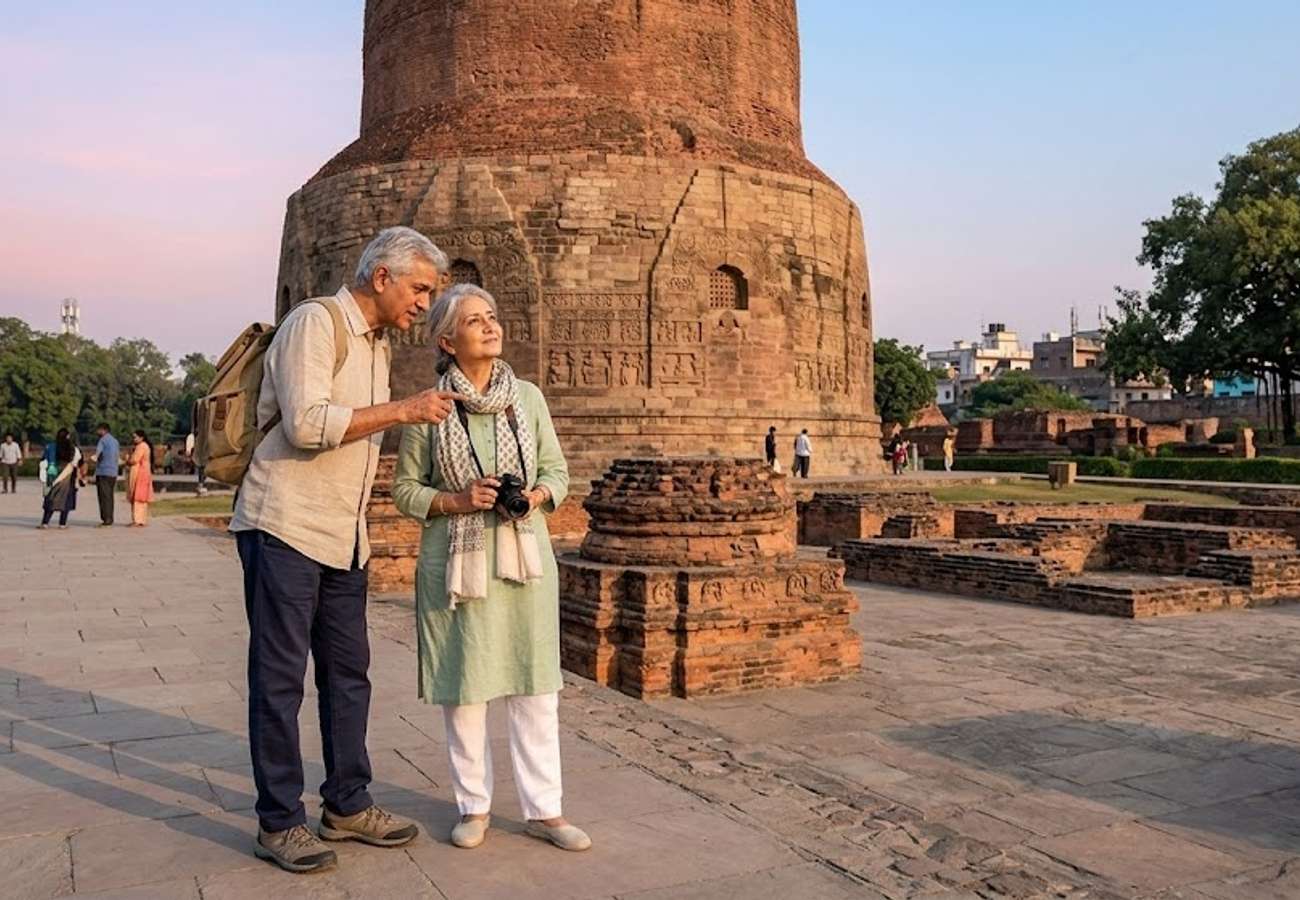
Image generated by AI
Headline Options:
- Factual/News: Sarnath Officially Designated as India’s 45th UNESCO World Heritage Site Boosting Global Tourism in Uttar Pradesh for 2026
- Curiosity-Gap (Discover): Beyond the Ghats: Why the World is Suddenly Flocking to Sarnath’s Newly Crowned Heritage Sanctuary
- Problem-Solving (Search): How to Visit Sarnath: A Guide to India’s Newest UNESCO World Heritage Site and the Buddhist Circuit
Sarnath has officially been inscribed as India’s 45th UNESCO World Heritage Site, fundamentally shifting the cultural tourism map of Uttar Pradesh. This designation transforms the sanctuary from a quiet satellite of Varanasi into a primary global anchor for spiritual and archaeological travel.
The Local Trend Revealed: From Quiet Sanctuary to Global Epicenter
Sarnath is experiencing a pivotal transition. Long regarded as a serene retreat just outside the high-energy atmosphere of Varanasi, the site is now the focal point of a massive regional upgrade. This isn't merely a title change; it is a catalyst for a systemic overhaul of the "Buddhist Circuit."
Local authorities and hospitality partners are currently scaling up to meet an anticipated surge in international arrivals. The shift is visible in the deployment of certified multilingual guides and the expansion of boutique accommodations designed to attract a demographic of "soul-searching" travelers. By integrating modern transport links with ancient sites, Uttar Pradesh is repositioning Sarnath as a sophisticated gateway for those entering South Asia via Varanasi.
Cultural & Environmental Value: Preserving 1,600 Years of History
For the visitor, the real impact of this UNESCO status is the heightened commitment to heritage preservation. The site is a living archive of architectural evolution, featuring layers of history that span over sixteen hundred years.
The experience is centered around several critical monuments:
- Dhamek Stupa: The towering structure marking where Lord Buddha delivered his first sermon to five disciples.
- Chaukhandi Stupa: A historic marker of the Buddha's first meeting with his disciples.
- Ashokan Pillar: A symbol of ancient imperial endorsement of Buddhist values.
- Ancient Viharas: The sprawling ruins of monastic cells that offer a window into early communal spiritual life.
This recognition ensures that these ruins are no longer viewed as static relics but as part of a sustainable eco-tourism framework. The focus has shifted toward low-impact visitation models that protect the structural integrity of the viharas while supporting the local economy through specialized heritage tour packages.
Visitor Insider Tips: Navigating Sarnath
To experience Sarnath beyond the standard tourist path, consider these local insights:
- The Golden Hour Window: Visit the Dhamek Stupa at sunrise. The morning light hits the brickwork in a way that highlights the 1,600-year-old textures, and the crowds from Varanasi typically don't arrive until mid-morning.
- Etiquette Note: While Sarnath is an archaeological site, it remains a living place of worship. Always remove footwear before entering the precincts of the stupas and keep voices low near the monastic ruins.
- Local Specialty: Seek out the small, community-run tea stalls near the archaeological museum. These spots offer a more authentic connection to the local residents than the larger hotel cafes.
- Beyond the Stupas: Spend extra time in the deer park (Isipatana). It provides a necessary meditative break and connects the physical geography of the site to the scriptural narratives of the Dhammacakkappavattana Sutta.
Tourism Outlook: A New Anchor for Asian Pilgrimage
The long-term trajectory for Sarnath is one of integration. We are seeing a marked increase in reservation interest from Japan, Thailand, Sri Lanka, and South Korea. This suggests that Sarnath is becoming a primary anchor for multi-country Asian pilgrimage itineraries.
The economic ripple effect is expected to extend far beyond the site's borders. By bridging the gap between ancient spiritual traditions and world-class infrastructure, the region is setting a blueprint for how cultural heritage can drive sustainable economic growth without sacrificing the "stillness" that makes such sites attractive in the first place.
Sarnath remains a peaceful refuge where quiet wisdom continues to alter the course of human thought.
Related Travel Guides
Disclaimer
This article is for informational and educational purposes only. It does not constitute legal, financial, or professional advice. While we strive to provide accurate and up-to-date information, travel policies, regulations, and conditions change rapidly. Always verify information with official sources before making travel decisions. Nomad Lawyer makes no representations about the accuracy, reliability, completeness, or suitability of the information provided. Readers should consult qualified professionals for advice specific to their circumstances. The views expressed in this article are those of the author and do not necessarily reflect the views of Nomad Lawyer.
Preeti Gunjan
Contributor & Community Manager
A passionate traveller and community builder. Preeti helps grow the Nomad Lawyer community, fostering engagement and bringing the reader experience to life.
Learn more about our team →