
Sardinia Travel Guide: Italy's Emerging Mediterranean Alternative to Overcrowding
Explore Sardinia's turquoise waters, luxury Costa Smeralda resorts, and authentic culinary scene. Discover why this Italian island is the premier alternative to

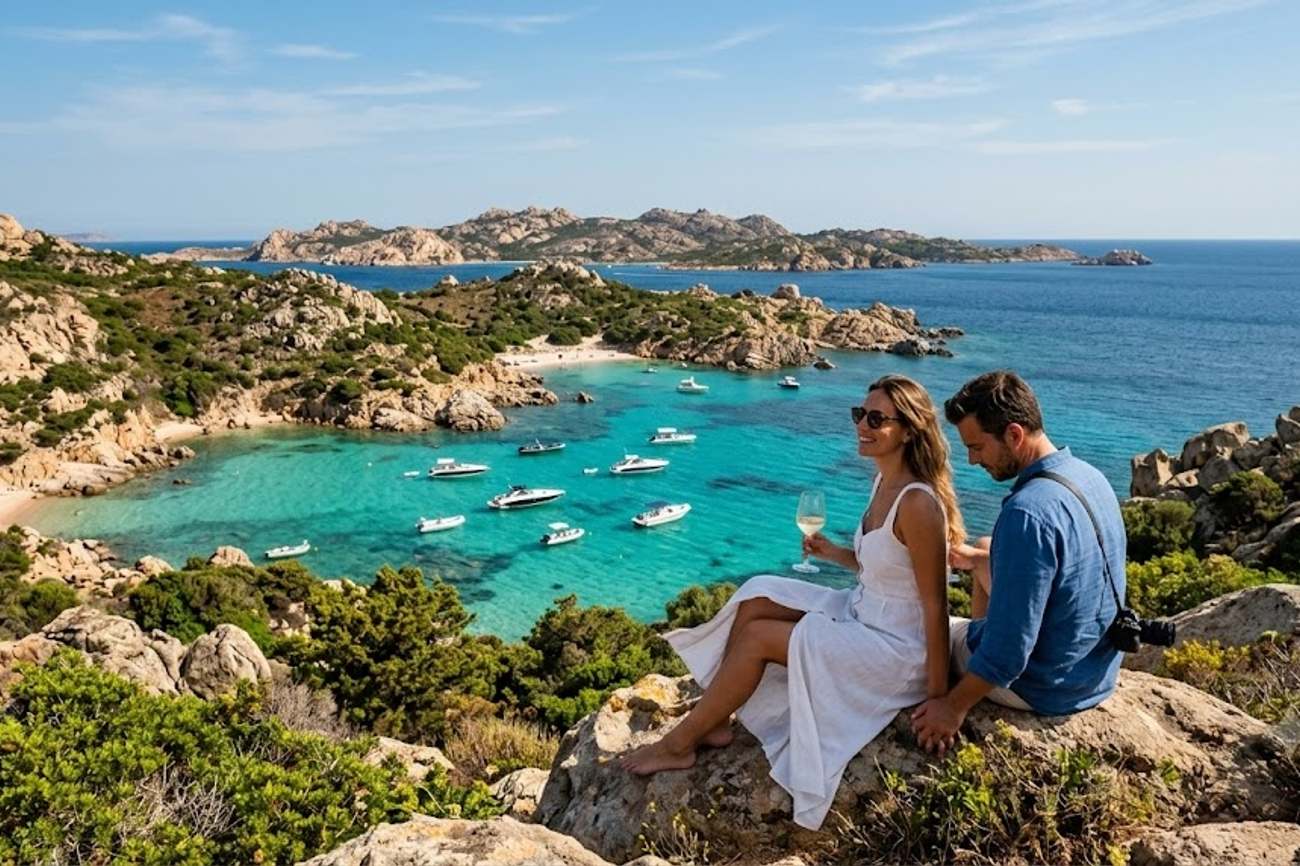
Image generated by AI
Sardinia is emerging as a strategic rival to established Mediterranean destinations. By leveraging its vast geography and diverse offerings—ranging from the urban energy of Cagliari to the exclusive enclaves of Costa Smeralda—the island provides a scalable alternative to the "overtourism" currently impacting hubs like Santorini, Mallorca, and Corfu.
Unlike smaller islands where tourist density is concentrated in a few corridors, Sardinia’s expansive landmass allows for a distributed tourism model. This geographic advantage enables the island to maintain authentic local atmospheres even as international interest grows.
The Urban-Coastal Balance The island's infrastructure supports a hybrid travel experience. In the south, Cagliari serves as a critical entry point, blending a functioning city economy with tourism. The presence of Poetto Beach allows for an integrated urban-beach itinerary. In the north, Alghero provides a similar blend of historic preservation and coastal accessibility.
High-End vs. Authentic Tourism Sardinia operates a dual-track tourism economy. The northeastern coast, specifically the Costa Smeralda and the luxury hub of Porto Cervo, caters to the ultra-high-net-worth segment with luxury marinas and designer boutiques. Simultaneously, the island promotes "slow tourism" through agriturismo (farm-stays), which integrates visitors into the rural agricultural economy.
Key Facts Breakdown
- Strategic Positioning: Marketed as a less crowded alternative to Tenerife, Mallorca, Lanzarote, Santorini, Corfu, and Rhodes.
- Primary Urban Hubs: Cagliari (South) and Alghero (North).
- Luxury Epicenter: Porto Cervo, located within the Costa Smeralda region.
- Key Coastal Assets:
- Cala Mariolu: Known for dramatic cliffs and clarity.
- Spiaggia della Pelosa: Characterized by shallow turquoise waters.
- Spiaggia del Pirata: A secluded, low-density option.
- Rena Bianca Beach: Located near Santa Teresa Gallura.
- Cala Corsara: Part of the protected La Maddalena Archipelago.
- Accommodation Trends: Shift toward agriturismo for authentic culinary and rural experiences.
Why This Matters (Analysis)
From a logistical and market perspective, Sardinia is solving the "saturation problem" facing the Mediterranean. While destinations like Santorini struggle with cruise-ship surges that overwhelm local infrastructure, Sardinia’s size allows it to absorb high visitor volumes without degrading the user experience.
For the traveler, the real impact is the ability to access "tropical" water quality—comparable to the Maldives or Caribbean—within the European regulatory and time-zone framework. For the industry, Sardinia represents a shift toward distributed tourism. By promoting areas like Cannigione and Villasimius alongside the famous Costa Smeralda, the region is successfully diversifying its revenue streams and preventing the "museumification" of its towns.
Industry Outlook
Expect a continued pivot toward sustainable, low-impact luxury. As "overtourism" becomes a primary deterrent for affluent travelers, Sardinia will likely see an increase in boutique, eco-conscious developments outside the Porto Cervo corridor. We anticipate growth in the La Maddalena Archipelago as a premier sailing destination, further decoupling the island's appeal from traditional beach-resort models.
Internal Link Suggestions:
- Comparing Mediterranean Luxury: Costa Smeralda vs. The French Riviera
- The Rise of Agriturismo: How Sustainable Farming is Driving Italian Tourism
- Avoiding Overtourism: Top European Alternatives for 2026
Related Travel Guides
Disclaimer
This article is for informational and educational purposes only. It does not constitute legal, financial, or professional advice. While we strive to provide accurate and up-to-date information, travel policies, regulations, and conditions change rapidly. Always verify information with official sources before making travel decisions. Nomad Lawyer makes no representations about the accuracy, reliability, completeness, or suitability of the information provided. Readers should consult qualified professionals for advice specific to their circumstances. The views expressed in this article are those of the author and do not necessarily reflect the views of Nomad Lawyer.
Preeti Gunjan
Contributor & Community Manager
A passionate traveller and community builder. Preeti helps grow the Nomad Lawyer community, fostering engagement and bringing the reader experience to life.
Learn more about our team →