
Barbados Tourism Hits Record Highs as Cruise and Stay-Over Arrivals Surge
Barbados reports record-breaking tourism growth in 2026, with over 473,000 cruise passengers and 214,000 stay-over visitors in the early months of the year.

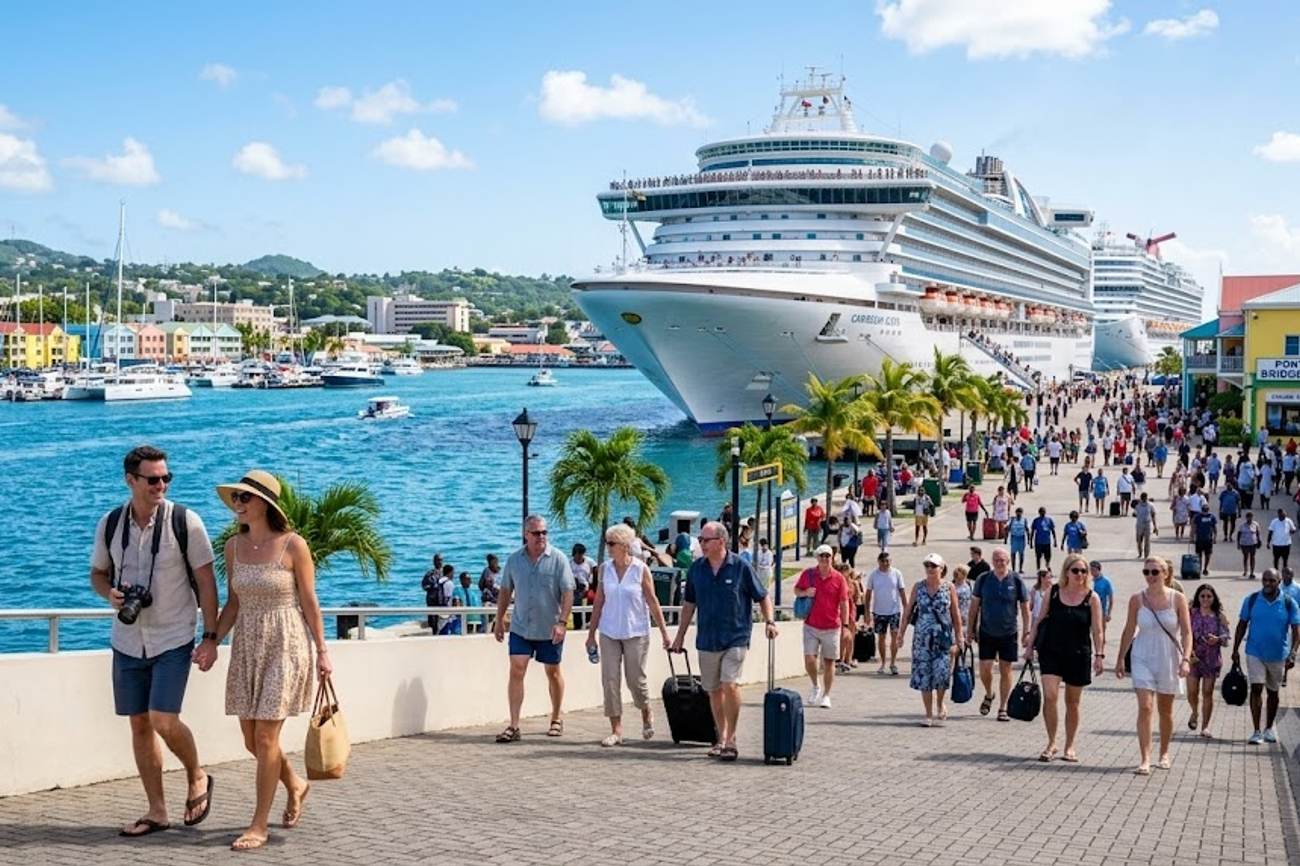
Image generated by AI
[Bridgetown, September 4, 2026] — Barbados is experiencing a historic expansion in its travel sector, with early 2026 data revealing a massive influx of international visitors that underscores the island's growing appeal as a premier Caribbean destination. Official figures from the Barbados Tourism Marketing Inc. and the Barbados Hotel and Tourism Association show that the island has already welcomed 214,000 stay-over guests and 473,000 cruise passengers during the initial months of the year.
This surge follows a trajectory of significant growth, with previous industry benchmarks establishing a baseline of 727,000 stay-over visitors and 817,000 cruise arrivals. The current data suggests that the island is not only maintaining these levels but accelerating them, particularly through a diversification of offerings that blend luxury beach holidays with deep cultural and heritage experiences.
Bridgetown Serves as Primary Gateway for International Arrivals
The capital city, Bridgetown, continues to function as the central nervous system for the island's tourism economy. As the primary point of entry for the cruise sector, the city manages a high volume of short-term visitors who utilize the waterfront to access the island's broader attractions.
A significant driver of this urban tourism is the UNESCO World Heritage Site status held by the historic center and the adjacent Garrison area. These districts offer a concentrated look at colonial architecture and the island's maritime history, providing a high-value experience for passengers who may only have a few hours ashore. The integration of shopping districts, local eateries, and museums within the city ensures that Bridgetown remains a high-revenue hub for both transient and long-term visitors.
Stay-Over Sector Drives Hospitality Revenue Growth
The arrival of 214,000 stay-over visitors in the early part of 2026 highlights a robust demand for the island's diversified accommodation portfolio. Unlike cruise tourism, which provides rapid injections of cash, stay-over tourism creates a sustained economic impact through prolonged spending on lodging, fine dining, and multi-day excursions.
The hospitality landscape in Barbados has evolved to cater to various market segments, ranging from high-end luxury resorts on the West Coast to boutique villas and guesthouses. This infrastructure supports a wide array of secondary businesses, including private transportation services and specialized tour operators. The concentration of these facilities along the southern and western coastlines ensures that visitor spending is distributed across several key economic zones.
Cruise Industry Accelerates Visitor Volume
With 473,000 cruise passengers arriving in the early months of 2026, the cruise sector has become a critical engine for volume. These visitors provide a consistent stream of customers for the retail and taxi sectors, particularly in the areas surrounding the port.
While cruise guests typically have shorter durations of stay, their impact is felt through the high volume of organized excursions. Demand is particularly high for rapid-access experiences, such as beach trips and heritage tours, which allow passengers to maximize their limited time on the island. This segment acts as a powerful marketing tool, often encouraging cruise passengers to return to Barbados as stay-over guests in the future.
Coastal Diversity Fuels Beach and Marine Tourism
The natural geography of Barbados remains its most potent draw. The island's three distinct coastlines provide varied experiences that appeal to different traveler demographics:
- The West Coast: Known for its tranquil Caribbean waters, this area is the epicenter of luxury resort development and high-end leisure.
- The South Coast: A more vibrant hub combining beach access with a dense concentration of nightlife, restaurants, and visitor services.
- The East Coast: Characterized by the rugged Atlantic shoreline, this region attracts photographers and nature enthusiasts seeking a more raw, scenic environment.
Complementing the beaches is a growing marine tourism sector. Activities such as scuba diving, snorkeling, and sailing have become integral to the visitor experience. Organized boat excursions focusing on marine wildlife have seen increased uptake, bridging the gap between simple sunbathing and active eco-tourism.
Heritage and Culinary Tourism Expand Market Reach
Barbados is successfully pivoting away from being seen solely as a "sun and sand" destination. There is a concerted effort to promote the island's intellectual and sensory assets, specifically through rum heritage and local gastronomy.
The exploration of plantation-era sites and historic churches provides a narrative of the island's development within the wider Caribbean context. Simultaneously, the "foodie" market is expanding, with Barbadian cuisine—characterized by a blend of local ingredients and traditional Caribbean techniques—becoming a primary motivator for travel. This shift toward cultural tourism helps insulate the island from the volatility of the luxury beach market.
Shoulder Season Stability Increases Economic Resilience
One of the most significant trends in the 2026 data is the sustained visitor activity during non-peak periods. Traditionally, Caribbean destinations suffer from extreme seasonality; however, the early 2026 figures indicate that "shoulder season" demand is strengthening.
This stability allows hotels and tour operators to maintain staffing levels and operational capacity throughout the year, rather than relying solely on the winter rush. The interplay between the cruise schedule and stay-over arrivals creates a balanced demand curve, ensuring that the island's infrastructure is utilized efficiently year-round.
Logistics and Infrastructure Supporting Growth
The movement of visitors is facilitated by two primary gateways: Grantley Adams International Airport for stay-over guests and the Bridgetown Port for cruise arrivals. The island's compact size is a strategic advantage, allowing tourists to navigate between the urban center of Bridgetown and the coastal resorts with ease.
Transportation options, including rental vehicles, public transit, and professional taxi services, have scaled to meet the demands of the record-breaking 2026 crowds. This connectivity ensures that the economic benefits of tourism extend beyond the resorts and into the rural villages and natural attractions of the interior.
| Visitor Category | Early 2026 Arrivals | Historical Benchmark |
|---|---|---|
| Stay-Over Visitors | 214,000 | 727,000 (Annual) |
| Cruise Passengers | 473,000 | 817,000 (Annual) |
Why This Matters (Information Gain & Experience)
For the modern traveler, the record-breaking numbers in Barbados signal a destination that is successfully balancing mass-market cruise tourism with exclusive, high-end stay-over experiences. However, this growth also implies a shift in how visitors should plan their trips. With higher volumes of people, the "shoulder season" is becoming the new "peak," meaning travelers should expect higher occupancy rates and less availability during months that were previously considered quiet.
From a logistical standpoint, the surge in cruise arrivals puts immense pressure on Bridgetown's infrastructure. For stay-over guests, this means that visiting the capital on a day when multiple large ships are in port may result in significant congestion. To optimize the experience, visitors should schedule their heritage tours and city shopping during mid-week windows or early mornings to avoid the cruise crowds.
Furthermore, the growth in cultural and culinary tourism suggests that the "authentic" Barbados experience is now more accessible. Travelers are no longer confined to resort bubbles; the expansion of local food tours and heritage sites allows for a deeper, more meaningful interaction with the island's identity.
Related Travel Guides
- Denver Fall 2026 Transit and Cultural Calendar
- [Short-Haul Travel Trends: Rise of Four-Day ](/indian-traveler-four-day-short-haul-trends)
- Indian Railways Launches Indore to Puri, Varanasi, and Ayodhya Pilgrimage Circuit
Disclaimer
This article is for informational and educational purposes only. It does not constitute legal, financial, or professional advice. While we strive to provide accurate and up-to-date information, travel policies, regulations, and conditions change rapidly. Always verify information with official sources before making travel decisions. Nomad Lawyer makes no representations about the accuracy, reliability, completeness, or suitability of the information provided. Readers should consult qualified professionals for advice specific to their circumstances. The views expressed in this article are those of the author and do not necessarily reflect the views of Nomad Lawyer.
Preeti Gunjan
Contributor & Community Manager
A passionate traveller and community builder. Preeti helps grow the Nomad Lawyer community, fostering engagement and bringing the reader experience to life.
Learn more about our team →