
São Tomé and Príncipe Roças Win UNESCO World Heritage Status to Boost Cultural Tourism 2026
The Roças of São Tomé and Príncipe have achieved UNESCO World Heritage status, transforming historic cocoa and coffee plantation estates into primary drivers for cultural and eco-tourism in 2026.

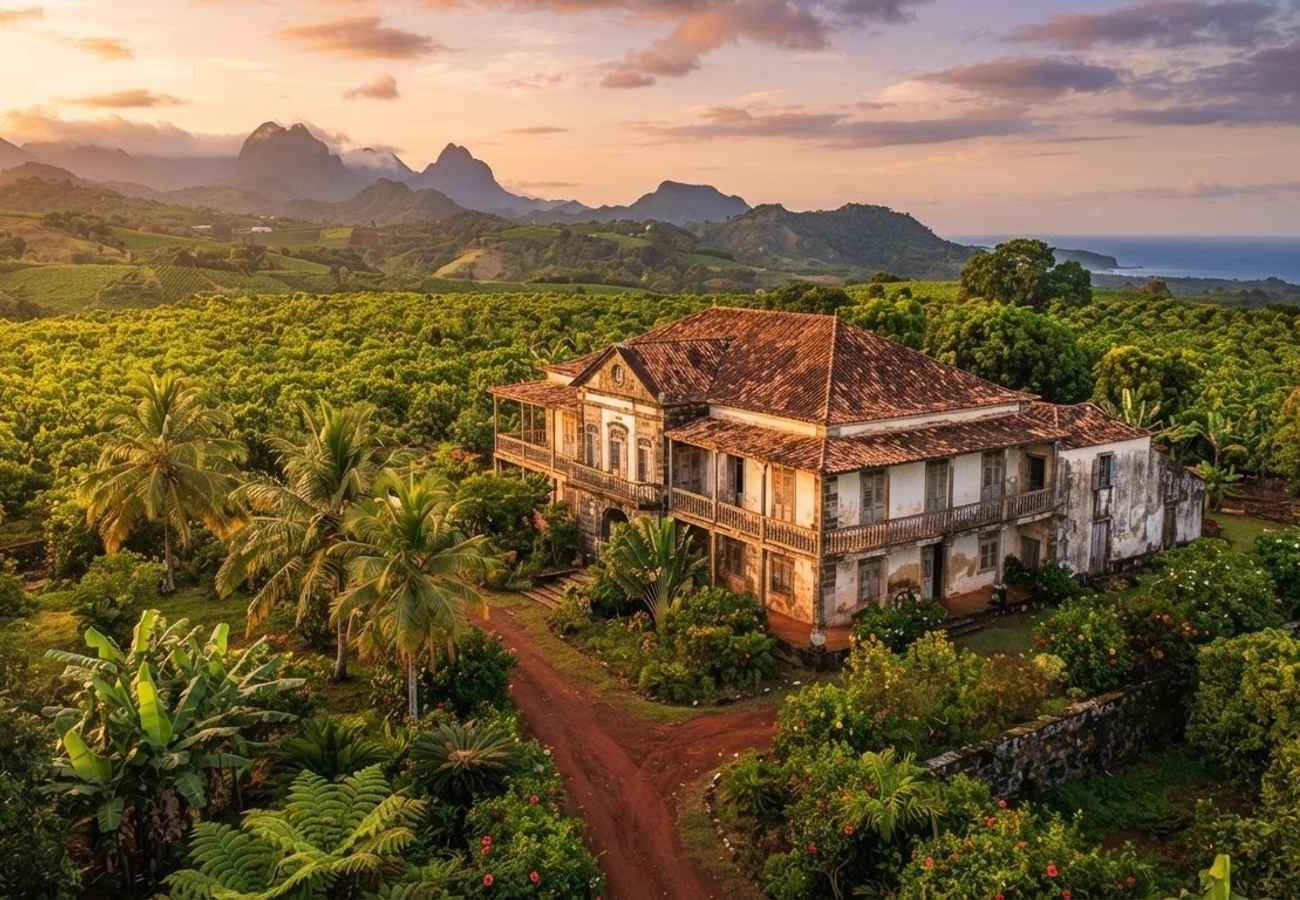
Image generated by AI
São Tomé and Príncipe has secured its first-ever UNESCO World Heritage designation, officially inscribing the historic Roças (plantation estates) to catalyze a new era of cultural and agricultural tourism.
The decision, finalized in July 2026, recognizes the Roças as a unique plantation landscape shaped by centuries of agricultural production and global cultural exchange. This designation moves the islands beyond the typical "beach escape" narrative, positioning the nation as a serious destination for heritage travelers and historians.
The Evolution of the Roças
The Roças are not merely old buildings; they are complex agricultural hubs. These estates were the engines of the islands' economy, centered on the production of cocoa and coffee. A typical Roça encompasses residential quarters, processing facilities, extensive road networks, and agricultural infrastructure.
For the modern traveler, these sites now serve as gateways to the islands' colonial and economic history. The integration of these estates into the UNESCO list provides the international visibility required to draw high-value cultural tourists away from the capital and toward the rural interior.
Heritage Hospitality and Eco-Integration
The transition from agricultural relic to tourism asset is most evident on the island of Príncipe. Here, the industry has adopted a model of "conservation hospitality," where heritage preservation funds the guest experience.
- Roça Sundy: This estate serves as a primary example of integrating historic plantation architecture with contemporary luxury. It allows guests to experience the intersection of cultural history and Príncipe’s protected natural environment.
- Belo Monte: This property further expands the heritage accommodation sector, offering a base for visitors to explore surrounding forests and coastal zones.
By merging heritage stays with ecological exploration, these properties ensure that the history of the plantation is not viewed in isolation but as part of a broader environmental narrative.
Agro-Tourism: Cocoa and Coffee Trails
The UNESCO status provides a framework for expanding "bean-to-bar" and "bean-to-cup" tourism. Cocoa and coffee are no longer just exports; they are the primary attractions.
Cocoa Heritage Trails Operators are now linking boutique resorts with local farming cooperatives. These trails allow visitors to observe traditional cultivation methods and understand the socio-economic impact of cocoa on the islands' development.
Coffee Expansion Complementing the cocoa experience, coffee heritage tours are expanding. These excursions focus on the processing and cultivation of coffee, diversifying the agro-tourism portfolio and distributing tourist spending directly into rural communities and cooperatives.
Key Tourism Data and Milestones
| Milestone / Feature | Detail |
|---|---|
| UNESCO Inscription Date | July 2026 |
| Primary Heritage Sites | The Roças of São Tomé and Príncipe |
| Key Agricultural Focus | Cocoa and Coffee |
| Leading Eco-Resorts | Roça Sundy, Belo Monte |
| Tourism Impact | First World Heritage property for the nation |
Why This Matters: Industry Analysis
From a logistical and market perspective, this UNESCO designation is a strategic pivot for São Tomé and Príncipe. For years, the islands struggled to differentiate themselves from other Atlantic or Indian Ocean destinations. By leveraging the Roças, they are now competing in the "Cultural and Sustainable Travel" segment, which typically attracts higher-spending, longer-staying visitors.
The real impact is the decentralization of tourism. By creating "anchors" in the form of UNESCO sites and boutique Roças, the government and private sector are forcing tourist traffic into the hinterlands. This prevents the "resort bubble" effect and ensures that economic leakage is minimized, as visitors interact directly with agricultural cooperatives. For the travel agent or luxury planner, this means the itinerary now shifts from "relaxation" to "exploration and education."
Forward Outlook
Expect a surge in boutique heritage conversions across the islands. As the UNESCO brand increases visibility, more dormant Roças will likely be restored into eco-hotels. Furthermore, we anticipate the development of more structured "Agro-Certifications" for local producers, allowing them to market their cocoa and coffee as "UNESCO-site produce," further increasing the value of local exports.
The transformation of the Roças marks the shift from a colonial agricultural past to a sustainable tourism future.
Related Travel Guides
Disclaimer
This article is for informational and educational purposes only. It does not constitute legal, financial, or professional advice. While we strive to provide accurate and up-to-date information, travel policies, regulations, and conditions change rapidly. Always verify information with official sources before making travel decisions. Nomad Lawyer makes no representations about the accuracy, reliability, completeness, or suitability of the information provided. Readers should consult qualified professionals for advice specific to their circumstances. The views expressed in this article are those of the author and do not necessarily reflect the views of Nomad Lawyer.
Kunal K Choudhary
Co-Founder & Contributor
A passionate traveller and tech enthusiast. Kunal contributes to the vision and growth of Nomad Lawyer, bringing fresh perspectives and driving the community forward.
Learn more about our team →