
São Tomé and Príncipe Implements High-Value Eco-Tourism Strategy and Data Modernization in 2026
São Tomé and Príncipe is pivoting toward a low-density, high-value tourism model, utilizing new National Tourism Satellite Accounts to protect its UNESCO Biosphere Reserve and endemic wildlife.

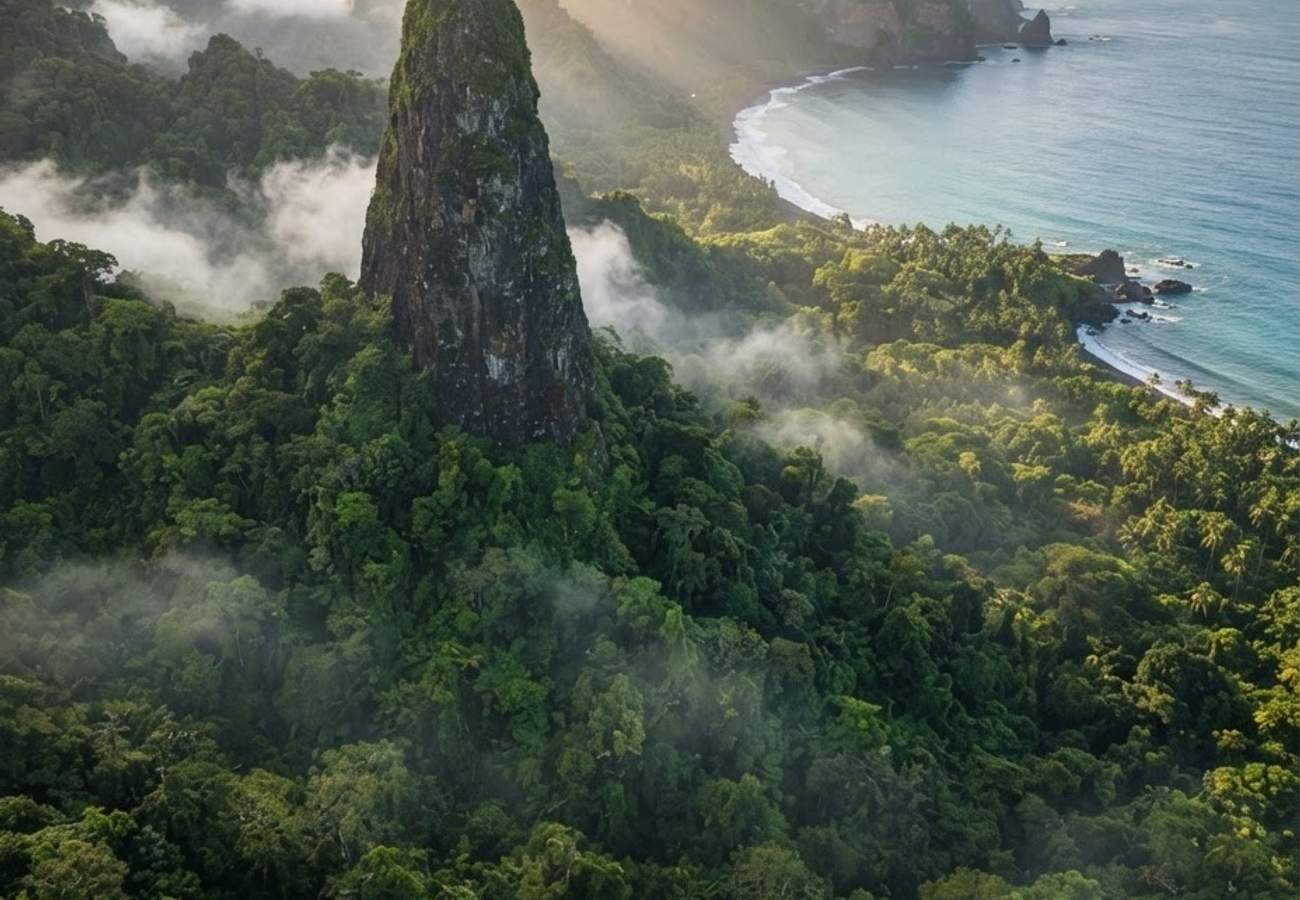
Image generated by AI
São Tomé and Príncipe is abandoning mass-market tourism in favor of a high-value, low-density model to protect its fragile rainforests and marine ecosystems. The nation is currently integrating National Tourism Satellite Accounts to precision-map economic impact and visitor flow.
Strategic Pivot to Low-Density Tourism
São Tomé and Príncipe has formally shifted its development strategy to prioritize "value over volume." By targeting high-spending, low-impact travelers, the government aims to mitigate the environmental pressure on its primary rainforests and the Príncipe Island UNESCO Biosphere Reserve. This approach ensures that the nation's unique biodiversity remains a viable asset rather than a casualty of rapid infrastructure expansion.
To support this transition, the Ministry of Environment, Youth and Sustainable Tourism, in collaboration with the UN Economic Commission for Africa, is modernizing its tourism data infrastructure. The implementation of National Tourism Satellite Accounts (TSA) allows the state to track exactly how visitor spending permeates the local economy. For the traveler, this means a shift toward more intimate, conservation-led accommodations and a reduction in large-scale resort developments.
Primary Eco-Tourism Zones and Wildlife Hubs
The destination's appeal is centered on its "nature as the destination" philosophy, focusing on endemic species and dramatic geological formations.
Marine and Coastal Logistics
Marine wildlife observation is now a primary driver of visitor arrivals. The southern coastline serves as the epicenter for seasonal biodiversity events.
- Praia Inhame: A secluded southern coast hub ideal for those avoiding developed resorts. It is a primary site for combining beach stays with marine excursions.
- Praia Banana: Known for dramatic coastal vegetation and low-density visitor infrastructure, maintaining a raw tropical character.
- Marine Activity: Seasonal sea turtle nesting and whale watching are the primary draws, with a heavy emphasis on conservation-led observation.
Terrestrial and Volcanic Exploration
The interior of the islands offers high-intensity adventure and specialized birdwatching.
- Pico Cão Grande: This iconic volcanic plug is the primary target for photographers and advanced hikers.
- Obo National Park: The "wild heart" of the islands, this park protects rainforests and volcanic terrain. It is a critical site for ornithologists due to the high concentration of endemic bird species.
- Canopy Trails: New vertical exploration routes allow travelers to move from coastal zones into dense highland forests.
Transit and Route Specifications
The following table outlines the primary points of interest for eco-tourism itineraries in 2026:
| Location | Primary Activity | Environment Type | Access Level |
|---|---|---|---|
| Obo National Park | Birdwatching & Trekking | Primary Rainforest | Guided/Remote |
| Pico Cão Grande | Hiking & Photography | Volcanic Peak | Challenging |
| Praia Inhame | Turtle Nesting/Beaches | Southern Coastline | Secluded |
| Praia Banana | Nature Walks/Coastal | Southern Coastline | Low-Density |
| Príncipe Island | Biosphere Conservation | Marine/Rainforest | Restricted/Eco-Lodge |
Traveler Logistics Guide: Navigating the Archipelago
From a ground-level perspective, navigating São Tomé and Príncipe requires a departure from standard tourist habits. Because the nation is prioritizing low-density tourism, infrastructure is minimal.
Booking and Connections Do not expect a wide array of large hotel chains. The most effective way to experience the islands is through boutique eco-lodges, particularly on Príncipe. Book these well in advance, as the "low-density" cap means rooms are limited.
Navigating the Terrain For those heading to Pico Cão Grande or Obo National Park, hiring a certified local guide is not just recommended—it is practically essential. The rainforests are dense, and trails can be unpredictable. Ensure your transport is a 4x4 vehicle, as coastal roads to Praia Inhame and Praia Banana can be rugged.
Digital and Customs Policies While the government is modernizing its internal data (TSA), visitor entry remains streamlined. Travelers should check current visa-on-arrival requirements or e-visa portals to avoid delays at São Tomé International Airport.
Optimal Timing To maximize the experience, align your visit with the sea turtle nesting seasons. This transforms a standard beach trip into a conservation experience, provided you follow the strict non-interference guidelines enforced by local authorities.
Infrastructure Impact Assessment
The move toward National Tourism Satellite Accounts marks a professionalization of the sector. By understanding the economic leakage and the specific contributions of high-value travelers, São Tomé and Príncipe can invest in "invisible infrastructure"—such as waste management and conservation patrols—rather than visible, intrusive hotels.
This strategy positions the islands as a premium alternative to more crowded African destinations. By protecting the UNESCO Biosphere Reserve on Príncipe, the nation ensures long-term viability for specialized nature tourism, creating a sustainable loop where the environment funds its own protection.
A bold blueprint for sustainable growth in the Gulf of Guinea.
Related Travel Guides
Disclaimer
This article is for informational and educational purposes only. It does not constitute legal, financial, or professional advice. While we strive to provide accurate and up-to-date information, travel policies, regulations, and conditions change rapidly. Always verify information with official sources before making travel decisions. Nomad Lawyer makes no representations about the accuracy, reliability, completeness, or suitability of the information provided. Readers should consult qualified professionals for advice specific to their circumstances. The views expressed in this article are those of the author and do not necessarily reflect the views of Nomad Lawyer.
Raushan Kumar
Founder & Lead Developer
Full-stack developer with 11+ years of experience and a passionate traveller. Raushan built Nomad Lawyer from the ground up with a vision to create the best travel and law experience on the web.
Learn more about our team →