
Washington's Saltwater State Park Offers Beach Escapes and Tide Pool Adventures
A detailed guide to Washington's Saltwater State Park in Des Moines, highlighting the Puget Sound beach, forest trails, and marine tide pools.

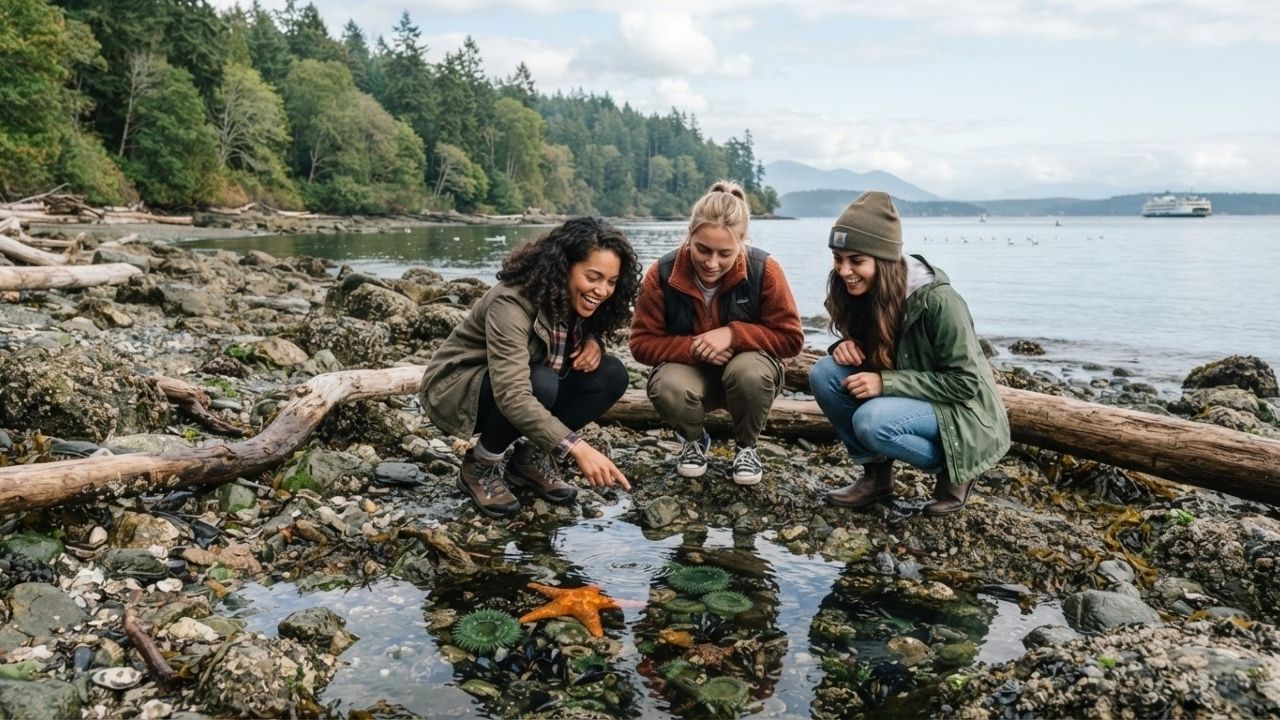
Image generated by AI
Positioned along the waters of the Puget Sound, Saltwater State Park offers an accessible coastal escape just 20 miles south of downtown Seattle. This 137-acre state park combines sandy and rocky shorelines, marine tide pools, and a 1.5-mile forest loop, making it a popular nature excursion for travelers visiting the Pacific Northwest.
Accessible Coastal Getaways in Western Washington
Western Washington is famous for its dramatic mountain ranges and vast wilderness areas, but its accessible coastal regions offer an equally compelling outdoor experience. Travelers visiting Seattle or Tacoma are increasingly seeking nature-focused day trips that do not require long journeys into the mountains. Located in the community of Des Moines, Saltwater State Park provides a convenient coastal stop for visitors moving between the region's urban centers.
The park is situated near major transport corridors, making it simple to reach from various points. Tacoma is approximately half an hour away by road under favorable traffic conditions, while Seattle-Tacoma International Airport is within easy driving distance. This proximity makes the park an ideal nature stop for air travelers with a few hours to spare before departure or those embarking on a wider regional itinerary. The geographical connection to the greater Puget Sound basin makes this area a key ecological corridor where urban developments meet saltwater shores.
While having a vehicle makes reaching the shore more convenient, public transit connections are available in the surrounding Des Moines area. This accessibility ensures that casual hikers, families, and transit-reliant travelers can experience the shores of the Puget Sound without needing to coordinate a complex wilderness expedition.
Tide Pools and Marine Wildlife at Low Tide
One of the park’s most engaging attractions is revealed when the tide retreats, exposing rocky pools along the shoreline. These shallow marine habitats support a diverse variety of coastal species, turning the beach into an interactive wildlife experience.
Visitors exploring the tide pools during low water may encounter sea anemones, starfish, mussels, shore crabs, hermit crabs, and green sea urchins. This natural display is highly popular with families, offering an educational opportunity to observe marine life in its native habitat. Observing the behavior of hermit crabs scrambling for empty shells and watching sea anemones retreat into defensive postures as the water recedes provides an intimate view of marine survival.
Protecting these delicate ecosystems requires responsible behavior. Visitors are reminded to follow local conservation guidelines: avoid stepping on live organisms, handle rocks gently, and always return any moved stones or species to their exact original positions. Checking the local tide schedules using resource tools like the National Oceanic and Atmospheric Administration (NOAA) before visiting is highly recommended to ensure you arrive during the peak low-tide window when the pools are most visible.
Walking the Forest Loop and Shoreline Trails
For those who prefer to remain on land, the park features a network of forested paths. The primary Saltwater State Park Loop covers approximately 1.5 miles, providing a manageable walk through classic Pacific Northwest woodland scenery.
The trail winds through a forest of maples, western red cedars, and sword ferns, offering a quiet contrast to the open beach. The loop contains mild elevation changes as it traces the ravines created by McSorley Creek, crossing small wooden bridges that span the flowing stream. The woodland canopy also supports a variety of bird species, with gulls, sandpipers, and cormorants frequently observed around the transition zone between the forest and the shoreline.
Recent environmental pressures, including minor flooding and erosion along McSorley Creek, have affected select paths in the park. Travelers should check current trail conditions with the park office before setting out. Expect natural trail conditions and wear appropriate footwear to navigate exposed roots, damp soil, and occasional insects along the loop.
Protecting the Puget Sound Shoreline
The park’s role extends beyond public recreation; it is also a site for active marine conservation. Saltwater State Park features an artificial reef extending to significant depths, which has become a popular site for local divers and supports diverse underwater habitats. This reef was constructed to encourage the recovery of regional fish populations and provide a safe shelter for marine invertebrates.
Local environmental groups work alongside the Washington State Parks and Recreation Commission to monitor water quality and protect the shoreline from erosion. Volunteer groups, including the Friends of Saltwater State Park, organize regular cleanup sessions and restoration projects to remove invasive plant species from the forest. By paying the park's day-use fee or purchasing an annual Discover Pass, visitors directly support these conservation and maintenance efforts, ensuring the park remains protected for future generations.
In addition, visitors can support the local economy by patronizing independent businesses in downtown Des Moines. After a day of exploring the beach and trails, dining at family-owned seafood restaurants or purchasing supplies from local shops helps distribute tourism benefits directly to the surrounding community.
Cultural Etiquette and Local Des Moines Insider Tips
Planning your visit around local tides and weather conditions will ensure a rewarding day at the park:
- Off-Peak Visit Windows: To avoid weekend parking crowds, schedule your visit for a weekday morning. Arriving early in the day also provides the best opportunity to view tide pool marine life undisturbed before human activity increases.
- Cultural Etiquettes: Respect the natural environment by practicing Leave No Trace principles. Keep pet dogs on designated leashes at all times and pack out all garbage. If you plan to explore the tide pools, do not collect shells or remove marine life from the park.
- Local Dining: Head to the nearby Des Moines Marina District to sample fresh local seafood at independent diners, or grab a coffee at a family-run café in the town center.
- Under-the-Radar Spots: The southern end of the beach is often quieter, offering scenic spots to watch cormorants feed or view the sunset over the Olympic Mountains behind the Puget Sound.
Tourism Outlook for the Des Moines Coastline
Local tourism associations view Saltwater State Park as an essential asset for regional outdoor recreation. By promoting accessible coastal sites, tourism boards can encourage visitors to explore local communities outside the major city centers, supporting sustainable tourism growth and reducing pressure on crowded national parks.
As travel habits continue to favor outdoor activities and regional day trips, the park is expected to remain a popular destination for both local residents and incoming tourists, highlighting the value of preserving natural green spaces close to urban corridors.
Frequently Asked Questions About Saltwater State Park
What outdoor activities are available at Saltwater State Park?
Visitors can enjoy beach walks, tide-pool exploration, kayaking, paddleboarding, fishing, scuba diving, and hiking along the 1.5-mile forest loop trail.
Where is the park located and how far is it from Seattle?
The park is located in Des Moines, Washington, between Seattle and Tacoma. It is approximately 20 miles south of downtown Seattle and within easy reach of Seattle-Tacoma International Airport.
Is a pass required to enter Saltwater State Park?
Yes. A day-use fee applies, or visitors can use an annual Discover Pass, which grants access to all Washington state parks and supports ongoing trail maintenance and conservation.
What wildlife can be seen in the tide pools?
At low tide, visitors can observe species such as sea anemones, starfish, mussels, shore crabs, hermit crabs, and green sea urchins in the rocky pools along the shore.
Saltwater State Park serves as a reminder that the wild essence of the Pacific Northwest is never more than a short drive from the city limits.
Related Travel Guides
Lake Meridian Park Day Trip Guide for Seattle Travelers 2026
Richmond Beach Saltwater Park Guide for Puget Sound Travelers in Seattle
The 10 Best Hikes in Western Washington, According to Reddit
Disclaimer
This article is for informational and educational purposes only. It does not constitute legal, financial, or professional advice. While we strive to provide accurate and up-to-date information, travel policies, regulations, and conditions change rapidly. Always verify information with official sources before making travel decisions. Nomad Lawyer makes no representations about the accuracy, reliability, completeness, or suitability of the information provided. Readers should consult qualified professionals for advice specific to their circumstances. The views expressed in this article are those of the author and do not necessarily reflect the views of Nomad Lawyer.
Raushan Kumar
Founder & Lead Developer
Full-stack developer with 11+ years of experience and a passionate traveller. Raushan built Nomad Lawyer from the ground up with a vision to create the best travel and law experience on the web.
Learn more about our team →