
Michigan State Smallest Park: Easy Waterfall Walk in 2026
Michigan's tiniest state park opened to expanded visitor access in 2026, offering remote workers and travelers effortless waterfall hikes. This compact destination delivers big nature experiences in minimal time.

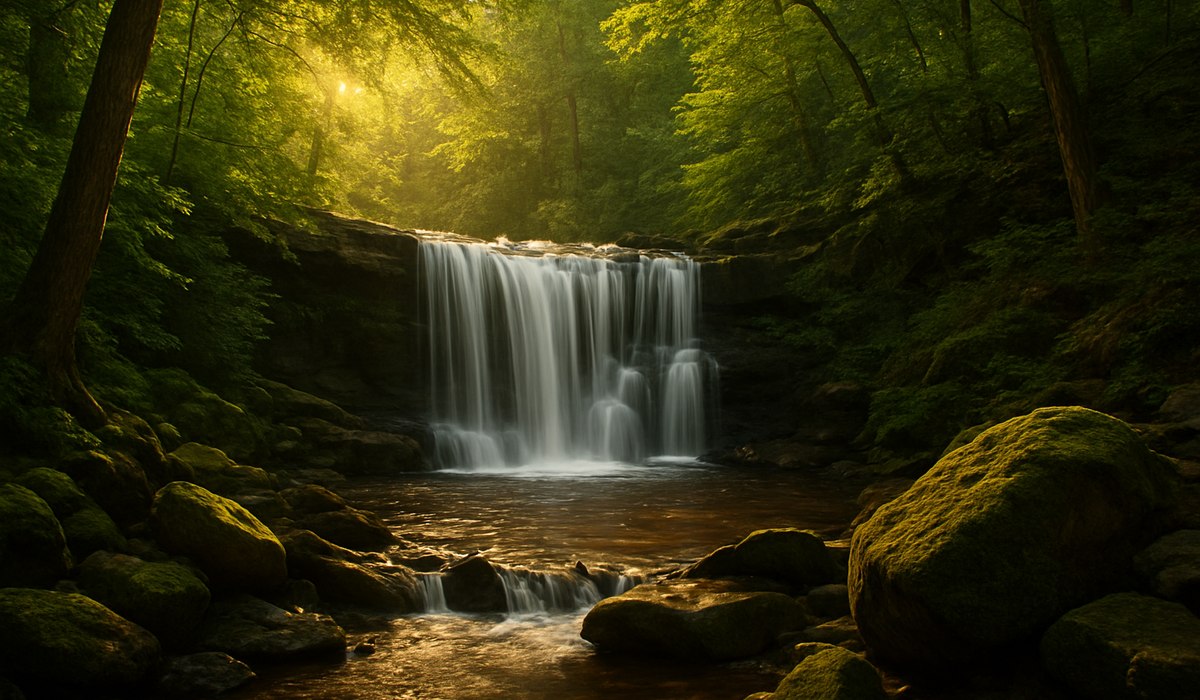
Image generated by AI
Michigan's Smallest State Park Becomes 2026's Go-To Quick Escape
Michigan's tiniest state park is redefining what compact outdoor spaces can offer. In spring 2026, this hidden gem has gained renewed attention among digital nomads and weekday adventurers seeking brief nature breaks. The park features an accessible waterfall trail requiring minimal time investment—perfect for remote workers juggling schedules. Unlike sprawling wilderness reserves demanding full-day commitments, Michigan state smallest park delivers concentrated natural beauty within walking distance of parking areas. The easy trail system accommodates varying fitness levels while showcasing the region's geological wonders.
Why Michigan's Smallest State Park Deserves Your Visit
Contrary to assumptions about size limitations, this Michigan state smallest destination packs considerable appeal. The primary draw centers on a breathtaking waterfall cascade accessible via a straightforward walking path. Visitors appreciate the absence of crowds typical at larger parks, creating intimate nature experiences. The compact layout means no lengthy navigation or complex trail systems—you arrive, walk, and connect with water features within thirty minutes.
The park's geological features reveal ancient glacial activity, with exposed bedrock and mineral-rich water creating Instagram-worthy vistas. TripAdvisor reviews consistently highlight the waterfall's photography potential and accessibility for families with young children. For remote professionals seeking afternoon outdoor sessions, the abbreviated timeline allows meaningful nature engagement without derailing work schedules.
The Waterfall Trail: What to Expect
The signature waterfall path combines accessibility with genuine natural beauty. The trail spans roughly half a mile, featuring well-maintained steps and viewing platforms positioned strategically along the descent. Spring conditions typically deliver peak water flow, creating dramatic cascades and misty air around observation points.
Trail conditions remain consistently manageable year-round. Summer brings lush vegetation framing the waterfall, while autumn colors add golden hues to surrounding woodland. The path's gentle grade eliminates knee strain associated with steeper hikes. Visitors report completing the full experience—walk down, observation time, walk back—within forty-five minutes. Benches positioned at optimal viewing spots enable extended pauses without requiring full park exploration.
Best Time to Visit
April through September represents peak season for Michigan state smallest park experiences. Spring water levels create most dramatic waterfall displays, typically May through June. Summer offers consistent weather and longer daylight hours beneficial for morning or evening work breaks.
Fall conditions prove equally appealing, with comfortable temperatures and reduced humidity. Winter visits remain possible but require weather monitoring—ice and snow occasionally affect trail accessibility. Early morning visits, before 10 AM, guarantee solitude and optimal photography lighting. Midweek visits substantially reduce visitor density compared to weekends. The park operates year-round, though specific trail conditions should be verified before winter trips.
How to Get There
Michigan state smallest park sits within reasonable driving distance of major population centers. The location nestles in the lower peninsula's scenic region, approximately ninety minutes from Detroit metropolitan areas. Highway access proves straightforward via state routes, with clear directional signage from regional highways.
Parking facilities accommodate roughly thirty vehicles in designated areas adjacent to the main trailhead. Public transit connections exist through regional bus services, though personal vehicle travel remains most practical. The park entrance requires no admission fees, removing financial barriers to access. GPS coordinates and detailed directions are available through the official Michigan state parks website, ensuring accurate navigation. From major cities, allow two hours total travel time including stops.
Practical Tips for Day Trippers and Remote Workers
Digital nomads integrating park visits into work routines should plan strategically. Pack water bottles and snacks to extend outdoor time without returning to vehicles. Wear layered clothing accommodating temperature fluctuations between shaded forest sections and waterfall mist zones.
Bring portable phone chargers if capturing waterfall photography or sharing real-time social updates. The park's limited cellphone coverage means downloading offline maps beforehand. Schedule visits during off-peak hours—early mornings or weekday afternoons ensure peaceful experiences. Wear slip-resistant footwear on trail sections, particularly after rain. Bring minimal gear; the short duration eliminates need for extensive backpacking supplies. Consider visiting consecutive weeks for routine outdoor integration, establishing parks as regular work-break destinations.
Nearby Amenities and Accommodation Options
The surrounding region supports various hospitality options serving park visitors. Small towns within fifteen minutes provide dining establishments, coffee shops, and supply stores. Several bed-and-breakfast properties emphasize outdoor recreation accessibility. Budget-conscious travelers find modest motel options near regional highways.
Larger cities approximately one hour away offer comprehensive accommodation ranges from luxury resorts to economy chains. Local tourism boards provide seasonal event information and restaurant recommendations. Picnic facilities near park entrances enable food preparation for extended visits. Accommodation reviews on TripAdvisor help verify property quality and outdoor-friendly amenities. Gas stations and convenience stores cluster around highway intersections, enabling supply purchases before park arrival.
Park Features and Accessibility
| Feature | Details | Accessibility | Difficulty |
|---|---|---|---|
| Primary Waterfall Trail | 0.5-mile loop | ADA-accessible viewing platforms | Easy |
| Estimated Duration | 45 minutes total | Self-paced timing available | Minimal exertion |
| Vertical Drop | 30-40 feet cascade | Gradual descent with railings | Low impact |
| Peak Season Timing | May-June water flow | Spring runoff maximizes display | Ideal conditions |
| Parking Capacity | ~30 vehicle spaces | Free, designated lot | No fees |
| Year-Round Operation | All seasons available | Winter trail conditions variable | Weather dependent |
| Nearest Amenities | 10-15 minute drive | Small towns accessible | Convenient |
| Photography Opportunities | Waterfall vistas | Multiple viewing angles | Professional quality |
What This Means for Travelers
The emergence of Michigan state smallest park as a 2026 destination trend reflects broader traveler preferences toward efficiency and accessibility. Remote workers increasingly integrate outdoor recreation into structured workdays rather than viewing nature exploration as weekend-exclusive activities.
Consider these actionable takeaways:
-
Schedule bi-weekly park visits into your remote work calendar, treating them as maintenance activities for mental health and productivity. The brief timeline accommodates even compressed schedules.
-
Combine visits with regional exploration—use park trips as anchors for broader destination weeks, sampling local dining and accommodations while establishing outdoor routines.
-
Document experiences for professional content—freelance writers and content creators find waterfall photography valuable for blog imagery and social media establishing outdoor credibility.
-
Invite professional contacts to park visits, transforming solitary breaks into networking opportunities with nature-focused backgrounds.
-
Verify seasonal access before planning winter visits, as trail conditions occasionally necessitate closures or modifications.
FAQ
What is Michigan's smallest state park?
Michigan's tiniest state park showcases a spectacular waterfall accessible via easy walking trails. The compact facility requires minimal travel time from parking areas, making it ideal for brief outdoor excursions between work sessions or family activities.
How long does the waterfall trail take to complete?
The primary waterfall trail typically requires forty-five minutes for most visitors, including walking down, observation time at viewing platforms, and walking back to the parking area. Experienced hikers complete the route faster, while photographers often extend visits for additional shots.
Is the waterfall trail suitable for families with young children?
Yes, the straightforward path accommodates various fitness levels, including young children. Well-maintained steps, railings, and strategically positioned benches ensure safety and allow frequent rest breaks. Parents consistently report successful visits with preschool and elementary-age children.
When is the best time to photograph the waterfall?
May and June deliver peak water flow from spring snowmelt,
Disclaimer
This article is for informational and educational purposes only. It does not constitute legal, financial, or professional advice. While we strive to provide accurate and up-to-date information, travel policies, regulations, and conditions change rapidly. Always verify information with official sources before making travel decisions. Nomad Lawyer makes no representations about the accuracy, reliability, completeness, or suitability of the information provided. Readers should consult qualified professionals for advice specific to their circumstances. The views expressed in this article are those of the author and do not necessarily reflect the views of Nomad Lawyer.
Kunal K Choudhary
Co-Founder & Contributor
A passionate traveller and tech enthusiast. Kunal contributes to the vision and growth of Nomad Lawyer, bringing fresh perspectives and driving the community forward.
Learn more about our team →