
Russia’s Greatest Hidden Escape as Remote Regions Like Yakutia and Many More Unleash a Powerful New Tourism Wave
Russia’s Greatest Hidden Escape as Remote Regions Like Yakutia and Many More Unleash a Powerful New Tourism Wave

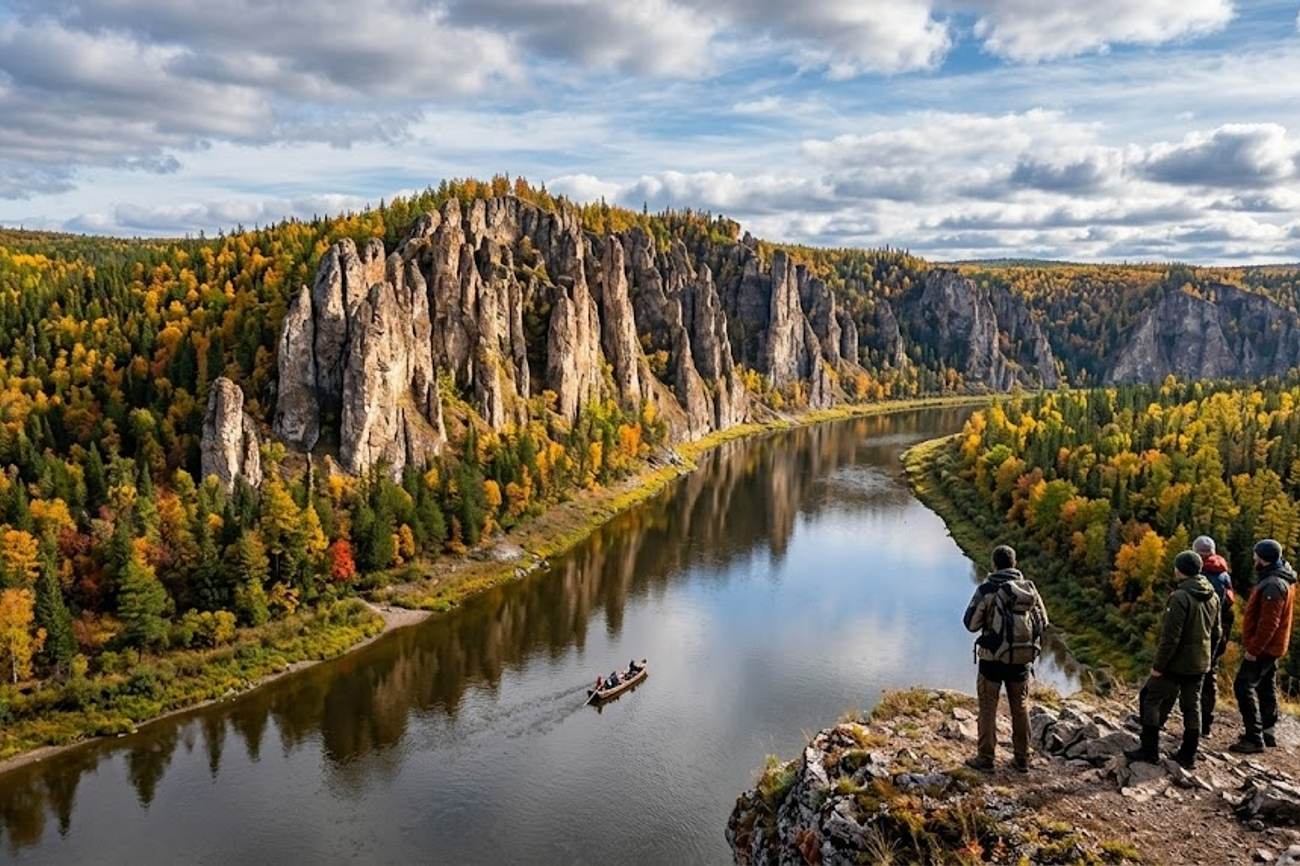
Image generated by AI
[Moscow, October 2023] — Russia is experiencing a strategic pivot in its tourism sector as remote ethnic territories, including Yakutia, Karelia, Kalmykia, and the Komi Republic, emerge as primary hotspots for high-engagement travel. This shift marks a departure from traditional urban sightseeing toward "deep travel" experiences that prioritize indigenous heritage, ancestral customs, and extreme wilderness exploration.
The surge in interest is driven by a global trend toward authentic, non-commercialized travel. Visitors are increasingly bypassing crowded metropolitan hubs in favor of the Russian interior, where the focus is on immersive interaction with local ethnic groups and the preservation of regional lore. This movement is transforming previously isolated administrative regions into viable economic zones for cultural tourism, blending ethnographic study with high-adventure expeditions.
The Drivers of Ethnic Tourism
The current growth in remote Russian travel is triggered by a fundamental change in consumer behavior. Modern travelers are rejecting "ordinary" holiday packages in favor of meaningful journeys that offer emotional resonance and personal connection. The primary catalyst is the desire for "genuine" experiences—interactions with local communities that have maintained their identity through generations.
These journeys are not merely leisure trips but are structured as cultural exchanges. By integrating traditional gastronomy, ancestral crafts, and regional music, these tours allow visitors to witness the active preservation of ethnic identity. The appeal lies in the contrast between the hyper-connected modern world and the traditional lifestyles found in the Russian periphery.
Impacted Regions and Cultural Markets
The expansion of ethnic tourism is concentrated in four primary remote zones, each offering a distinct cultural and environmental profile:
- Yakutia (Sakha Republic): A premier destination for Arctic adventure. It focuses on indigenous Siberian traditions and survival in one of the world's most extreme climates.
- Karelia: A hub for Northern European-influenced traditions, characterized by dense forests, lake systems, and historic rural villages.
- Kalmykia: The only region in Europe where Buddhism is the predominant faith, offering a unique blend of steppe landscapes and Eastern spiritual heritage.
- Komi Republic: A destination for extreme nature enthusiasts, specifically those targeting the Ural Mountains and ancient geological formations.
What This Means for Travelers
For the individual booking a trip to these regions, the transition from "sightseeing" to "ethnic tourism" creates several practical shifts in the travel experience:
1. Logistics and Planning Travelers can no longer rely on standard hotel bookings or ride-sharing apps. Journeys to places like the Komi Republic often require expedition-style planning. For example, visiting the Manpupuner stone pillars involves rigorous hiking and specialized transport through untouched wilderness. Travelers must coordinate with local guides and often utilize Russian Railways or regional charters to reach entry points.
2. Accommodation and Amenities Expect a shift from luxury hotels to traditional settlements and guesthouses. The value proposition here is "authenticity" over "comfort." Travelers will likely engage with local food producers and stay in dwellings that reflect the regional architecture of the ethnic group they are visiting.
3. Activity Profiles The itinerary for an ethnic tour is hybrid. A single trip typically combines:
- Cultural Immersion: Learning local crafts and attending regional celebrations.
- Physical Adventure: Nature expeditions, forest trekking, and mountain hiking.
- Educational Engagement: Visiting historic sites and studying the lineage of indigenous communities.
The Infrastructure of Remote Exploration
The rise of these destinations is creating a new economic ecosystem in the Russian hinterlands. Local guides, small-scale accommodation providers, and cultural organizations are seeing an influx of revenue, which in turn incentivizes the preservation of the very traditions tourists are coming to see.
In the Komi Republic, the draw of the Manpupuner pillars—giant natural stone monoliths—has turned a remote geological site into a catalyst for regional adventure tourism. Because these sites are not easily accessible, they attract a specific demographic of "adventure seekers" who view the difficulty of the journey as part of the attraction.
Similarly, in Yakutia, the attraction is the "sense of discovery." The region's vast, frozen landscapes and indigenous customs provide a stark contrast to urban life, making it a magnet for those seeking a total disconnect from the digital world.
To ensure safety and regulatory compliance in these remote zones, travelers are encouraged to coordinate with regional tourism boards and follow guidelines set by the Ministry of Economic Development of the Russian Federation, which oversees the strategic growth of domestic and international tourism.
The Future of Russian Regional Travel
The trajectory of Russian tourism is moving toward "deeper experiences." The success of Yakutia and Kalmykia suggests that the future of the industry lies in the monetization of identity and nature. As travelers continue to seek out destinations with strong, distinct identities, these remote regions will likely see further investment in specialized tour operators and sustainable infrastructure.
The long-term goal for these regions is to balance the increase in visitor numbers with the protection of the environment and the integrity of ethnic customs. The shift toward ethnic tourism is not just a trend but a structural change in how the Russian interior is marketed to the world—moving from "empty space" to "cultural treasure."
FAQ: Remote Russian Tourism 2023
What is the best way to reach remote regions like Yakutia or Komi? Most travelers use a combination of major airline hubs and regional flights or the extensive rail network. Due to the lack of paved roads in some areas, local guides often provide 4x4 transport or boat transfers to reach ethnic settlements.
Are these ethnic tours suitable for luxury travelers? Generally, no. These experiences prioritize authenticity and nature. While some high-end lodges exist in Karelia, most ethnic tours in Yakutia or Kalmykia involve rustic accommodations and expedition-style living.
What should I pack for a trip to the Komi Republic or Yakutia? Extreme weather gear is mandatory. Depending on the season, this includes professional-grade thermal clothing for Arctic temperatures or rugged hiking boots and waterproof gear for the Ural Mountains and Komi forests.
Do I need a specialized guide for ethnic tours? Yes. Local guides are essential not only for navigation in untouched wilderness but also for acting as cultural intermediaries between the visitor and the indigenous communities to ensure respectful interaction.
The map of global travel is expanding beyond the city limits, turning the world's quietest corners into its loudest attractions.
#Yakutia2023 #KareliaTourism #KalmykiaBuddhism #KomiRepublic #ManpupunerExpedition #RussianEthnicTours
Related Travel Guides
- Ladakh Snow Leopard Tracking Gains Global Travel Attention as Rare Himalayan Wildlife Adventure Ranks Fourth Worldwide
- Vietnam Travel Boom: Southeast Asia Star Wins Repeat Visitors Through Culture and Coastal Wonders
- Busan Teams Up With Incheon, Daejeon and More as K-culture Destinations Across Korea Beckon Global Travellers
Disclaimer
This article is for informational and educational purposes only. It does not constitute legal, financial, or professional advice. While we strive to provide accurate and up-to-date information, travel policies, regulations, and conditions change rapidly. Always verify information with official sources before making travel decisions. Nomad Lawyer makes no representations about the accuracy, reliability, completeness, or suitability of the information provided. Readers should consult qualified professionals for advice specific to their circumstances. The views expressed in this article are those of the author and do not necessarily reflect the views of Nomad Lawyer.
Preeti Gunjan
Contributor & Community Manager
A passionate traveller and community builder. Preeti helps grow the Nomad Lawyer community, fostering engagement and bringing the reader experience to life.
Learn more about our team →