
Ladakh Snow Leopard Tracking Gains Global Travel Attention as Rare Himalayan Wildlife Adventure Ranks Fourth Worldwide
Ladakh Snow Leopard Tracking Gains Global Travel Attention as Rare Himalayan Wildlife Adventure Ranks Fourth Worldwide

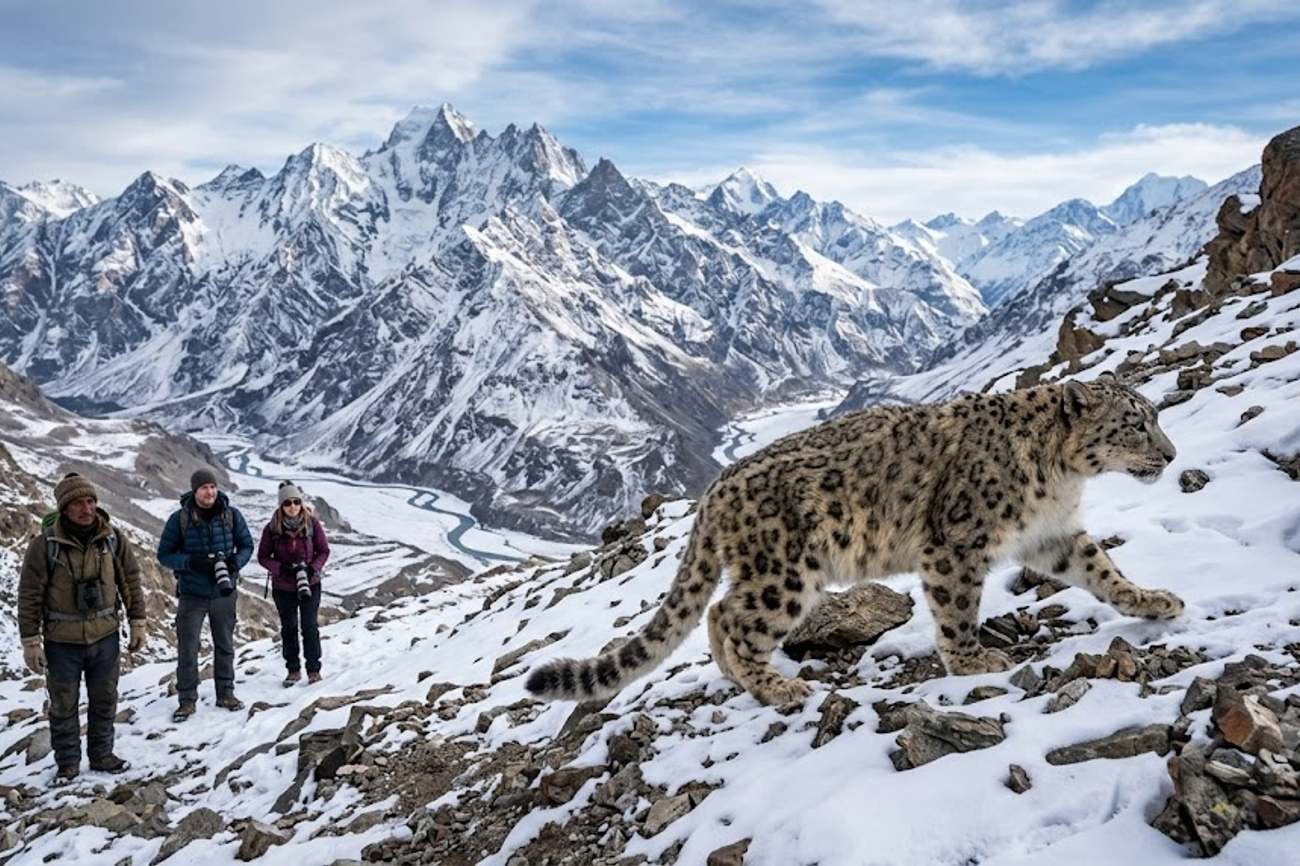
Image generated by AI
[Leh, October 2024] — Ladakh has secured the fourth-highest ranking globally for wildlife experiences, driven by the prestige of its snow leopard tracking expeditions. The region earned a score of 85.5 out of 100 on the Wildlife Experience Index, a specialized metric that evaluates the world's top 30 wildlife encounters based on animal rarity, location exclusivity, and the probability of sightings.
This designation elevates the remote Indian territory to a tier of elite wildlife destinations, placing it alongside high-stakes expeditions such as gorilla trekking in Rwanda and Uganda, emperor penguin voyages in Antarctica, and saiga antelope tours in Kazakhstan. The ranking signals a shift in high-end travel, where "trophy sightings" of elusive species are replacing traditional luxury tourism.
The Wildlife Experience Index Metrics
The ascent of Ladakh in global rankings is the result of a rigorous scoring system that prioritizes the "difficulty" of the encounter over the ease of access. Unlike traditional safari models found in East Africa, the Wildlife Experience Index measures the psychological and physical investment required by the traveler.
The index utilizes six primary data points to determine a destination's score:
- Animal Rarity: The biological scarcity of the target species.
- Location Remoteness: The geographical isolation and the effort required to reach the habitat.
- Conservation Importance: The ecological value of protecting the species and its surrounding environment.
- Experience Exclusivity: The limited number of people who successfully complete the journey.
- Accessibility: The practical logistics of entering the region.
- Sighting Probability: The statistical likelihood of a visual encounter.
By scoring 85.5, Ladakh is recognized not just for the presence of the Panthera uncia (snow leopard), but for the comprehensive challenge of the Himalayan environment.
Who Is Affected by the Ranking
The recognition transforms Ladakh from a scenic landscape destination into a specialized wildlife hub. This shift impacts several specific travel segments and regional markets:
| Segment | Impact | Primary Driver |
|---|---|---|
| Adventure Travelers | Increased demand for high-altitude trekking | Search for "once-in-a-lifetime" rarity |
| Nature Photographers | Surge in bookings for specialized guides | Demand for camouflage-heavy environments |
| Conservationists | Higher focus on Himalayan ecosystem stability | Interest in endangered species protection |
| Local Operators | Transition from general tourism to niche wildlife guiding | Need for expert trackers and mountain safety |
| Global Tourists | Shift in itinerary from monasteries to wild zones | Desire for authentic, non-crowded routes |
The global ranking places Ladakh in a competitive bracket with other rare-species destinations. According to the Index, the current top five global wildlife experiences are:
- Mountain Gorilla Trekking (Rwanda/Uganda)
- Emperor Penguin Expeditions (Antarctica)
- Saiga Antelope Trips (Kazakhstan)
- Snow Leopard Tracking (Ladakh, India)
- Javan Rhino Tracking (Java, Indonesia)
What This Means for Travelers
For the average traveler, this ranking means that visiting Ladakh is no longer just about visiting the Hemis Monastery or driving the high-altitude passes. It marks the transition of the region into a "destination of effort."
Expect Higher Costs and Lower Certainty Unlike a zoo or a managed game reserve, snow leopard tracking offers no guarantees. The animals possess natural camouflage that blends perfectly with the grey and white rocky slopes of the Himalayas. Travelers must now prepare for "uncertainty-based tourism," where the value is found in the hunt and the exploration rather than a guaranteed photo opportunity.
Physical Rigor The "remoteness" factor cited by the Index translates to physical hardship. Travelers must navigate thin air, freezing temperatures, and rugged terrain. Those booking these trips should consult the Ministry of Tourism for current permits and health advisories regarding altitude sickness.
Shift Toward Ethical Tourism The emphasis on "conservation value" means travelers will likely encounter stricter regulations regarding how they approach wildlife. The goal is to observe without disturbing, moving away from the intrusive nature of some traditional wildlife tours.
The Future of Himalayan Wildlife Tourism
The recognition of Ladakh as a top-four global experience is expected to trigger a surge in "high-value, low-impact" tourism. The regional government and local stakeholders are now tasked with balancing this newfound international fame with the fragility of the Himalayan ecosystem.
Future developments will likely focus on training a new generation of certified wildlife trackers who can lead tourists through remote zones without damaging the habitat. There is also an anticipated increase in partnership with international conservation bodies to ensure that the rise in "snow leopard fever" does not lead to habitat degradation or animal stress.
As travelers move away from "over-tourism" in cities and toward the edges of the map, Ladakh is positioned to become the primary gateway for the "rarity seeker." The focus is shifting from the visual beauty of the mountains to the biological mystery of the creatures that inhabit them.
FAQ: Ladakh Snow Leopard Tracking 2024
Is a snow leopard sighting guaranteed? No. Due to their extreme camouflage and elusive nature, sightings are rare. The experience is marketed as an exploration and a challenge, not a guaranteed attraction.
When is the best time to visit Ladakh for wildlife? Winter months are typically the primary window for snow leopard tracking, as the animals move to lower altitudes in search of prey during the heavy snows.
What equipment is necessary for these trips? Travelers require professional-grade cold-weather gear, high-altitude boots, and high-zoom optics (binoculars/telephoto lenses) to spot animals against the rocky terrain.
How does this differ from a standard safari? Traditional safaris use vehicles on established roads. Ladakh tracking involves patience, trekking on foot through rugged mountains, and relying on local trackers to find signs of animal movement.
The hunt for the ghost of the mountains is now a global gold standard in adventure.
#LadakhWildlife2024 #SnowLeopardTracking #WildlifeExperienceIndex #HimalayanTourism #IndiaWildlife #PantheraUncia
Related Travel Guides
Disclaimer
This article is for informational and educational purposes only. It does not constitute legal, financial, or professional advice. While we strive to provide accurate and up-to-date information, travel policies, regulations, and conditions change rapidly. Always verify information with official sources before making travel decisions. Nomad Lawyer makes no representations about the accuracy, reliability, completeness, or suitability of the information provided. Readers should consult qualified professionals for advice specific to their circumstances. The views expressed in this article are those of the author and do not necessarily reflect the views of Nomad Lawyer.
Kunal K Choudhary
Co-Founder & Contributor
A passionate traveller and tech enthusiast. Kunal contributes to the vision and growth of Nomad Lawyer, bringing fresh perspectives and driving the community forward.
Learn more about our team →